Spain's Deadliest Rail Crash in Over a Decade Kills at Least 40 as Investigators Find Broken Track Joint

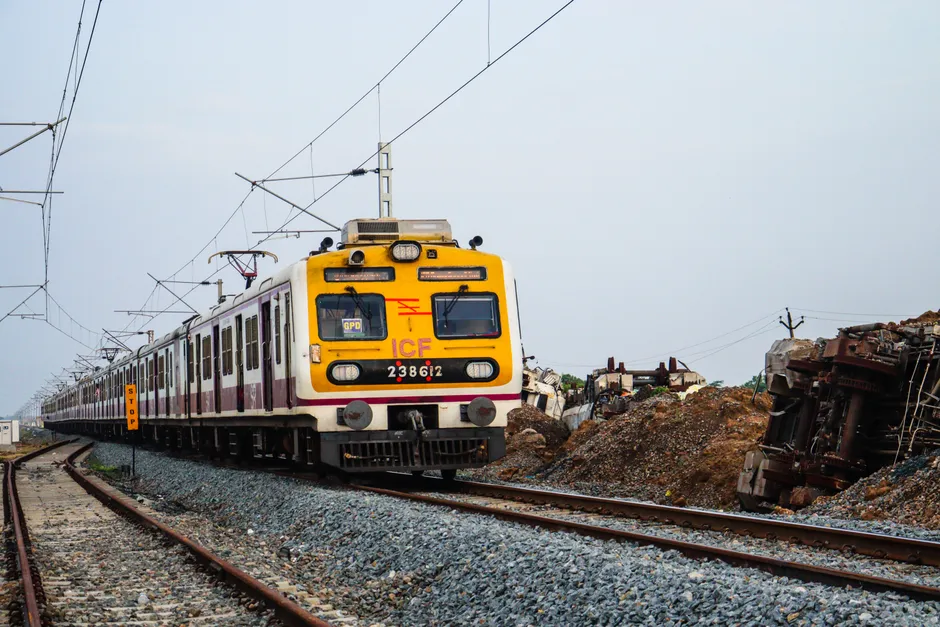
A high-speed train derailment in southern Spain on Sunday, June 14, 2026, killed at least 40 people, according to Spain's interior ministry, which also reported dozens injured. Investigators subsequently identified a broken joint on the track as a probable point of failure — the kind of infrastructure defect that transforms a routine journey into catastrophe with little warning.
The crash is the worst rail disaster in Spain in more than a decade. Prime Minister Pedro Sánchez pledged to establish the full sequence of events, a statement that signals both political pressure and the likelihood of a formal inquiry into network maintenance standards.
The interior ministry's initial toll of 39 killed was later revised upward to at least 40. That figure may yet change as rescue and recovery operations continue.
A Separate Incident the Day Before
Roughly 24 hours before the high-speed derailment, a tourist train overturned in Cártama — a municipality near Málaga — during a local tapas festival on Saturday, June 13. That accident injured 18 people, nine of them children. The two events are unconnected in cause and geography, but their proximity in time will intensify scrutiny of rail safety management across Spain's network as a whole.
The Cártama incident involved a tourist-grade vehicle operating at low speed in a festive context, a categorically different risk profile from a high-speed mainline derailment. Still, regulators and the public will be hard-pressed to treat the weekend as a statistical coincidence.
What the Evidence Points To
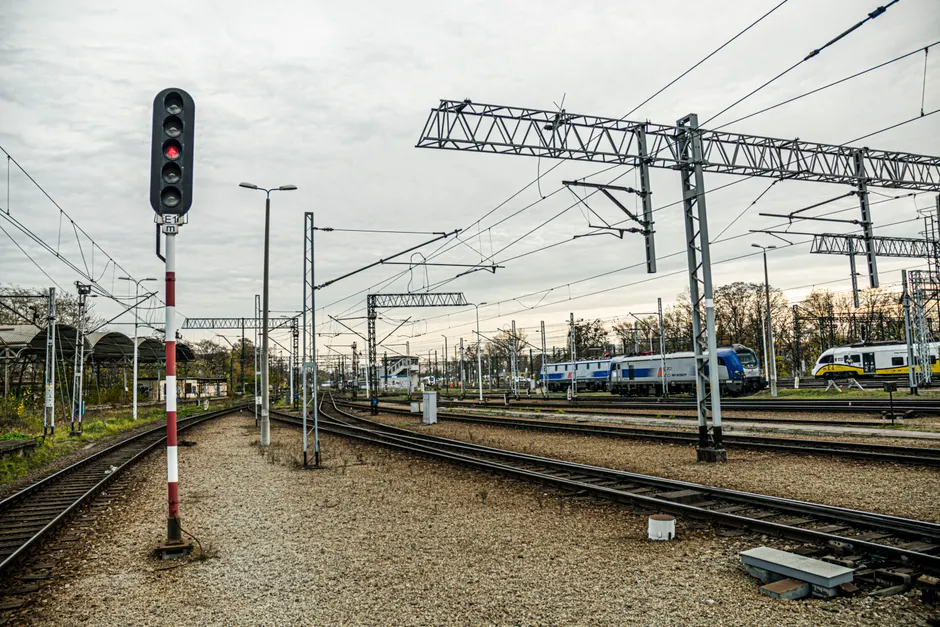
A broken track joint — the mechanical connector that links consecutive rail sections — is a known failure mode in both high-speed and conventional networks, and one that maintenance inspection cycles are specifically designed to prevent. Its presence at the crash site immediately directs attention toward inspection frequency, load tolerances, and whether the joint showed prior signs of fatigue that should have triggered intervention.
Spain's high-speed network, the AVE, is one of Europe's largest by route-length and carries substantial passenger volumes. The infrastructure is managed under a regulatory framework that mandates periodic track inspection, but the interval and methodology of those inspections — and whether they were adhered to at this location — will be central questions for investigators.
Sánchez's vow to find the truth is a standard political reflex after disasters of this scale, but it does channel institutional authority toward an inquiry. Whether that inquiry sits within the rail safety agency, the judiciary, or a purpose-built commission will shape both its independence and its timeline. Spain has used independent commissions before in major transport accidents; the 2013 Santiago de Compostela crash, which killed 79 people, produced a criminal proceeding against the driver that ran for years.
The comparison is instructive — and sobering. Santiago de Compostela was attributed to driver error compounded by a signalling gap. If the current evidence points firmly at infrastructure failure rather than human error, the liability calculus shifts toward the network manager and, potentially, to the maintenance contractors or inspection regime behind it.
For rail safety professionals and policymakers watching from outside Spain, the broken joint finding will prompt a familiar set of questions: Was this a fatigue fracture or an impact failure? Was it detectable by standard ultrasonic inspection? How long had the joint been in service? The answers will matter beyond Spain's borders, because high-speed networks across Europe operate under broadly comparable maintenance philosophies and face similar pressures of aging infrastructure and budget constraint.
The death toll places this crash among the most lethal rail accidents in Europe this decade. Forty confirmed dead on a high-speed line is not a figure that resolves quietly into bureaucratic process. Public demand for accountability, combined with the political capital Sánchez has now staked on transparency, makes a rigorous and reasonably swift inquiry the path of least institutional resistance — and the one the evidence itself demands.