Philippines Earthquake: 7.8-Magnitude Strike Kills 61, Raises Seabed by Two Metres

A 7.8-magnitude earthquake struck south of Mindanao on June 8, 2026, killing at least 61 people, collapsing buildings across General Santos City, and — in a geophysical consequence rarely observed in real time — permanently raising the seabed by up to two metres along affected coastlines.
The USGS located the epicentre 26 km southwest of Kablalan, in the Sarangani province area, and flagged significant damage as likely in its initial assessment. That forecast proved conservative. The Straits Times and the Japan Times both reported on June 14 on the scale of coastal deformation, while the Manila Bulletin via PHIVOLCS confirmed coastal uplift and measurable shoreline retreat in post-event field assessments.
The Ground Moves — and Stays Moved
Coseismic uplift of this magnitude is a marker of thrust or oblique-thrust rupture on a shallow fault segment. The Philippine Mobile Belt, one of the most seismically complex zones in the western Pacific, is latticed with active faults where the Philippine Sea Plate and Eurasian Plate converge at roughly 8–10 cm per year. Sarangani sits near the intersection of the Cotabato Trench and the southern Philippine Fault system — a geometry that concentrates both strike-slip and compressional stress.
When such a fault ruptures, the hanging wall can be thrust upward abruptly. A two-metre rise in seafloor elevation is not trivial: it alters bathymetry, reshuffles sediment dynamics, and in shallow coastal zones, can expose reef flats or strand fish pens overnight. Shoreline retreat — where the coast effectively recedes as the land beneath it rises — is the surface expression of that same vertical displacement. PHIVOLCS documented both phenomena along the Sarangani coastline, which will require updated nautical charting for the affected waters.
Human and Built-Environment Toll
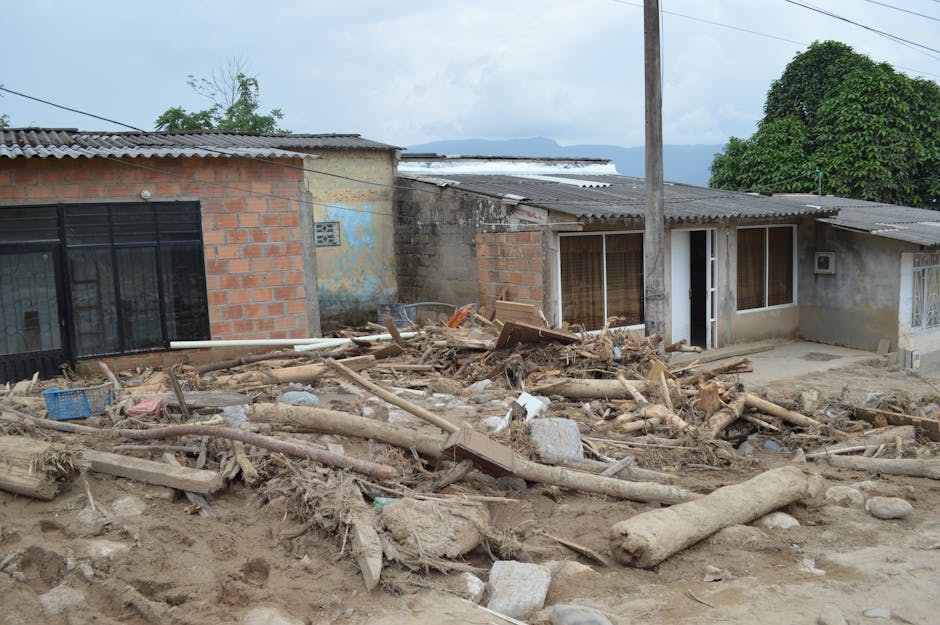
General Santos City bore the heaviest structural damage. Multiple building collapses were reported there, consistent with the city's mix of older masonry construction and the ground-motion amplification typical of alluvial lowlands fringing Sarangani Bay. The confirmed death toll stood at 61 as of June 14 reporting; given that search and recovery operations in collapsed structures typically extend the final count over days to weeks, that figure may not be final.
The gap between the USGS preliminary assessment, dated June 7 (likely reflecting UTC timing for an event occurring near the international date line), and the June 14 damage reporting reflects the standard arc of disaster response: initial seismic parameters within minutes, rapid casualty triage in the hours after, and a fuller picture of structural damage and geological effects emerging over the following week.
What Comes Next
The coseismic record matters for what follows. Aftershock sequences after M7.5+ events in the Philippine Mobile Belt can persist for months and occasionally produce M6+ aftershocks capable of finishing what the mainshock weakened. Structures that survived June 8 with hidden damage are the primary risk. Philippine authorities and engineering assessment teams will be working against that clock.
The seafloor uplift carries a secondary implication for tsunami hazard modelling. A two-metre vertical displacement of the seabed can, depending on the rupture geometry and water depth, generate a locally significant tsunami. Whether that occurred on June 8 — and at what runup heights — has not been confirmed in the verified record available here, but PHIVOLCS operates the Pacific-linked warning network and would have issued advisories within minutes of the event. The coastal uplift documentation suggests the fault rupture extended to or near the seafloor, which is the configuration most associated with tsunamigenic potential.
Southern Mindanao is not unfamiliar with large earthquakes; the region experienced destructive events in 1976 and 2019 that shaped current building codes and early warning infrastructure. The 2026 event will feed into the next iteration of both the national seismic hazard model and local land-use regulation in Sarangani — particularly for coastal development now sitting on newly elevated, potentially unstable ground.