Russian Frigate Fires Warning Shots at British Yacht in the English Channel
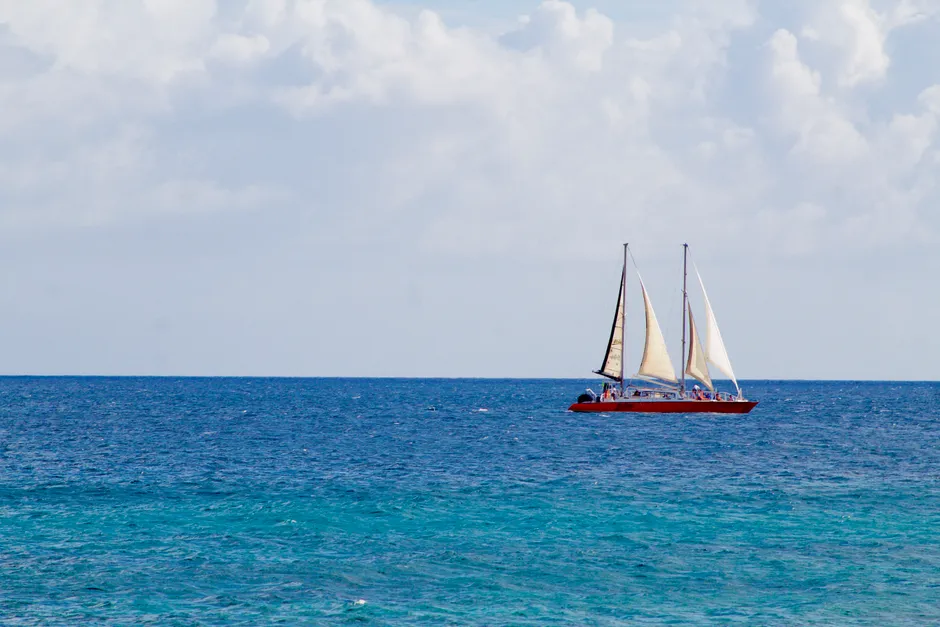
The Russian frigate Admiral Grigorovich fired small arms warning shots at a UK-registered civilian yacht in the English Channel on 16 June 2026, diverting the vessel before the UK government launched an investigation into the incident, NBC News reported. Prime Minister Keir Starmer on 17 June described the firing as "reckless," according to Al Jazeera and France 24.
Moscow's account diverged immediately. Russian authorities stated that the British yacht had made a "dangerous approach" to the Admiral Grigorovich before the warning shots were fired, per Euronews. That framing — civilian vessel as aggressor — is the standard Russian posture for maritime confrontations and does nothing to resolve the central legal question: the English Channel is an international strait subject to innocent passage rights under UNCLOS, and no warship holds unilateral authority to fire on civilian traffic navigating it lawfully.
The Admiral Grigorovich is a Project 11356 guided-missile frigate of the Black Sea Fleet, a class designed for both anti-surface and anti-submarine warfare. Its presence in the Channel on 16 June did not occur in isolation. Just the day before, on 15 June, the Royal Navy led an interdiction operation against a shadow fleet tanker in the same waterway, with Royal Marines Commandos boarding the sanctioned vessel — a notably assertive enforcement action targeting Russia's sanctions-evasion infrastructure. Whether the frigate's transit was connected to that operation or was independently planned is not established by available reporting, but the sequencing will draw scrutiny in every NATO capital.
A Channel Under Increasing Pressure
The past several months have seen sustained Russian naval activity in British-adjacent waters at a tempo that has forced a near-continuous Royal Navy response. In April 2026, the Royal Navy shadowed two sanctioned Russian cargo ships and their escorting warships in UK waters as part of a NATO coordination effort. HMS Hurworth and HMS Ledbury were separately deployed to track a Russian warship transiting the Channel, supported by 814 Naval Air Squadron. A Royal Navy surface unit also tracked a surfaced Russian submarine in the same stretch of water on a NATO-mandated mission.
Tracking and shadowing are routine — they are the Cold War-era instrument of managed deterrence, signaling awareness without triggering escalation. Firing warning shots at a civilian yacht is a different order of action entirely. It is the kind of incident that, depending on nationality of crew, proximity to UK territorial waters, and the precise legal status of the Channel position at the time, could constitute a violation of international maritime law. The UK government's decision to open an investigation rather than issue an immediate formal protest suggests Whitehall is still assembling the factual record before determining its legal and diplomatic response.
Stakes and Precedent
The Admiral Grigorovich incident lands at a moment when NATO members have been recalibrating their tolerance for Russian grey-zone activity in European waters. The Royal Marines boarding on 15 June is itself a significant escalation in the enforcement posture toward shadow fleet operations — committing uniformed special operations forces to a sanctions interdiction sets a new procedural baseline for how the UK intends to police Russia's parallel energy logistics network.
Russia's use of a frigate to fire on a civilian vessel in an international strait places London in a bind that Starmer's "reckless" label only partially addresses. Calling it reckless is a political statement, not a legal finding. The investigation will need to determine whether the Admiral Grigorovich was operating within its transit corridor, what the yacht's actual proximity and heading were, and whether UK or NATO assets were in position to observe the engagement directly. Those findings will shape whether the episode becomes a formal diplomatic protest, a referral to the International Maritime Organization, or grounds for further restriction on Russian naval transits.
For now, the English Channel — one of the world's busiest shipping lanes and a waterway that the UK regards as sovereign-adjacent even though its central axis is international — has become a live theater for the broader contest between Western sanctions enforcement and Russian counterpressure. The warning shots may have been aimed at a yacht. The audience was considerably larger.


