Apple Watch Ultra 4 vs Galaxy Watch Ultra 2: Titanium flagships diverge on display, silicon and sensing

The Samsung Galaxy Watch Ultra 2 and Apple Watch Ultra 4 both debuted in the summer, setting up a direct comparison at the top of the smartwatch stack. Both use titanium bodies. Both ship with 64GB of storage. The differences are in dimensions, display technology, silicon, assistants, and health sensing.
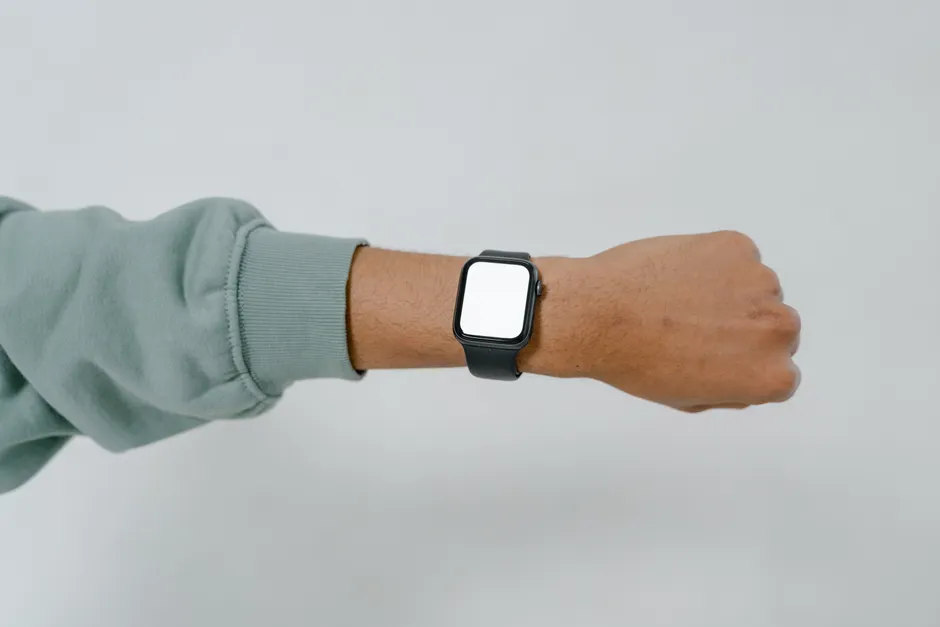
Samsung offers the Galaxy Watch Ultra 2 in gray or silver options. Apple offers the Watch Ultra 4 in black or natural hues, with an Hermes collaboration adding a titanium band and two ocean-themed watch faces to the Ultra 4 Engadget. The Galaxy Watch Ultra 2 is a 47 mm GPS smartwatch. It measures 10.7mm thick with a 1.52-inch-wide display. The Apple Watch Ultra 4 is 12mm deep with a rectangular display measuring 49mm tall by 44mm wide.
Chassis and durability
Titanium is standard on both. The ratings diverge from there.
Apple lists the Watch Ultra 4 at IP6X dust resistance, 100-meter submersion capability, and an EN13319 depth gauge rating. Samsung lists the Galaxy Watch Ultra 2 at IP69K dust and water resistance, with EN13319 rating and 100-meter submersion capability Engadget. Samsung also rates the Watch Ultra2 at 10 ATM and states that it supports professional diving. Samsung detailed the Watch Ultra2 and Watch9 at Galaxy Unpacked in July 2026.
The distinction matters for developers and testers of outdoor and dive-logging software. EN13319 and 100-meter figures appear on both spec sheets. 10 ATM and IP69K appear only on Samsung's. IP6X appears only on Apple's.
Displays
Samsung uses a circular Super AMOLED screen set in a rounded-off square frame. Apple uses a wide-angle OLED LTPO3 screen with Retina technology in a rectangular format.
Peak brightness favors Samsung on paper. The Galaxy Watch Ultra 2 has a maximum brightness of 5,000 nits. The Apple Watch Ultra 4 has a peak brightness of 3,000 nits. Samsung describes the Ultra2 display as the brightest display ever on a Galaxy Watch.
The gap is large. Outdoor legibility will depend on more than peak nits, including ambient light sensors, auto-brightness curves, and always-on behavior, but the headroom for direct sunlight use sits with Samsung.
Silicon and assistants
The Galaxy Watch Ultra2 is the first Galaxy Watch powered by the Qualcomm Snapdragon Wear Elite Platform, according to Samsung. The configuration compared here pairs that Snapdragon Wear Elite chip with 2GB of memory and 64GB of storage, and it is packaged with the Google Gemini AI assistant.
The Apple Watch Ultra 4 uses Apple's S11 chip and includes 64GB of storage. It includes the new Siri and supports Audio Intelligence features also coming to the Watch Series 12. Apple also offers a Siri Recap feature that remembers conversations for the user Engadget.
For on-wrist workloads, the pairing is familiar. Qualcomm plus Gemini on one side, Apple silicon plus Siri on the other. Memory figures were disclosed only for Samsung in the materials compared here.
Battery and health stack
Apple states the Watch Ultra 4 delivers up to 50 hours of battery. Samsung's Ultra2 carries an 800 mAh battery, described by Samsung as the largest battery in the Galaxy Watch lineup. Separate materials put the Galaxy Watch Ultra 2 at up to 60 hours of battery life on a charge.
Apple positioned the Ultra 4 in its September 2026 newsroom release titled 'Apple unveils Apple Watch Ultra 4' as the ultimate sports and adventure watch with new advanced health and fitness features and longer battery life Apple. That release was published on September 9, 2026, following an unveiling set for September 9.
The health hardware centers on a new Health Sensing System on the Watch Ultra 4. Apple states the Watch Ultra 4 measures heart rate every five seconds, all day long, and describes it as providing the most accurate heart rate sensing in a wearable. Samsung announced the Galaxy Watch 9 alongside the Galaxy Watch Ultra 2, framing both as health companions on the wrist.
The broader context here is sampling density and continuity. Five-second, all-day heart rate measurement increases background data volume and tightens requirements for filtering motion artifacts, sleep-state classification, and power management. In my view, that is where the Ultra tier now competes, less on adding another sensor and more on sustaining high-rate sensing without collapsing battery life.
Looking at what this means for builders, the two watches point to parallel optimization paths. Samsung is pushing brightness and battery capacity while moving to Snapdragon Wear Elite and Gemini for on-wrist assistance. Apple is holding peak brightness lower, pushing continuous sensing and on-device audio intelligence under the S11 and Siri stack. Both keep titanium, 100-meter water resistance, and 64GB storage as the baseline for rugged flagship watches. The choice for technical users will likely come down to ecosystem lock-in, dive and outdoor certification needs, and which assistant pipeline fits existing app work.