DRC Ebola Outbreak Passes 200 Deaths as Healthcare Worker Infections Mount

The death toll from the 2026 Ebola outbreak in the Democratic Republic of the Congo has surpassed 200, with the DRC Ministry of Health reporting 837 confirmed cases, 196 confirmed deaths, and 376 individuals currently hospitalized as of June 16, according to ECDC. The outbreak, driven by the Bundibugyo virus strain, has spread across both the DRC and Uganda and carries PHEIC status — the WHO's highest level of international public health alert — since May 17, per WHO.
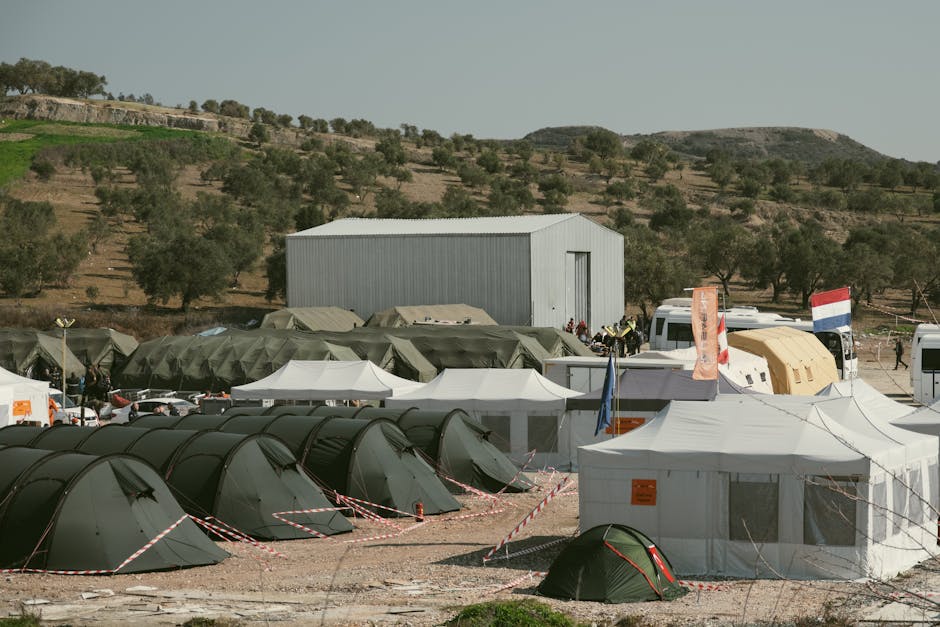
The crisis began in early May 2026 when a hospital in Bunia Health Zone, northeastern DRC's Ituri Province, flagged a cluster of severe illnesses among healthcare workers. By May 15, the DRC Ministry of Public Health, Hygiene and Social Welfare formally declared the country's 17th Ebola outbreak. At that point, eight laboratory-confirmed cases and 246 suspected cases — alongside 80 suspected deaths — had been recorded in Ituri Province alone. The trajectory since has been steep: confirmed cases have grown more than hundredfold in roughly four weeks.
The Healthcare Worker Crisis
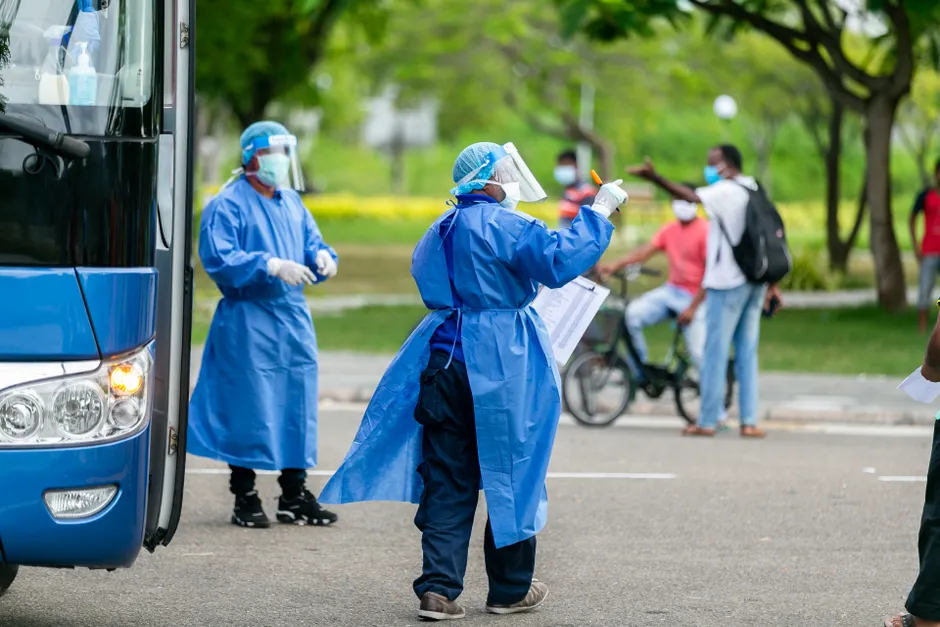
The rate at which the outbreak is consuming frontline health workers is one of its most operationally alarming features. At least 34 healthcare workers had been infected with the Bundibugyo strain as of June 9, Reuters reported, with four confirmed dead — figures that Al Jazeera put at more than 70 infected healthcare workers by June 19. That pace of nosocomial transmission signals a breakdown in infection prevention and control that, left unaddressed, compounds every other intervention.
The supply chain behind IPC is a documented failure point. Boots and masks were in short supply for response workers in Congo as of early June, Reuters found. Bundibugyo virus — a distinct species from Ebola virus (Zaire), which drove the catastrophic 2014–2016 West Africa epidemic and the 2018–2020 Kivu outbreak — spreads through direct contact with infected bodily fluids. Without reliable PPE, the healthcare system becomes both a victim and a vector.
Four health workers had recovered by May 31, including a laboratory worker discharged on May 28, with five total survivorss recorded by that date, WHO AFRO reported. Recoveries matter not only clinically but for survivor plasma programmes and community morale in settings where Ebola carries near-total fatality stigma — but five recoveries against more than 70 infections among health workers underscores the scale of the gap.
Structural Vulnerabilities
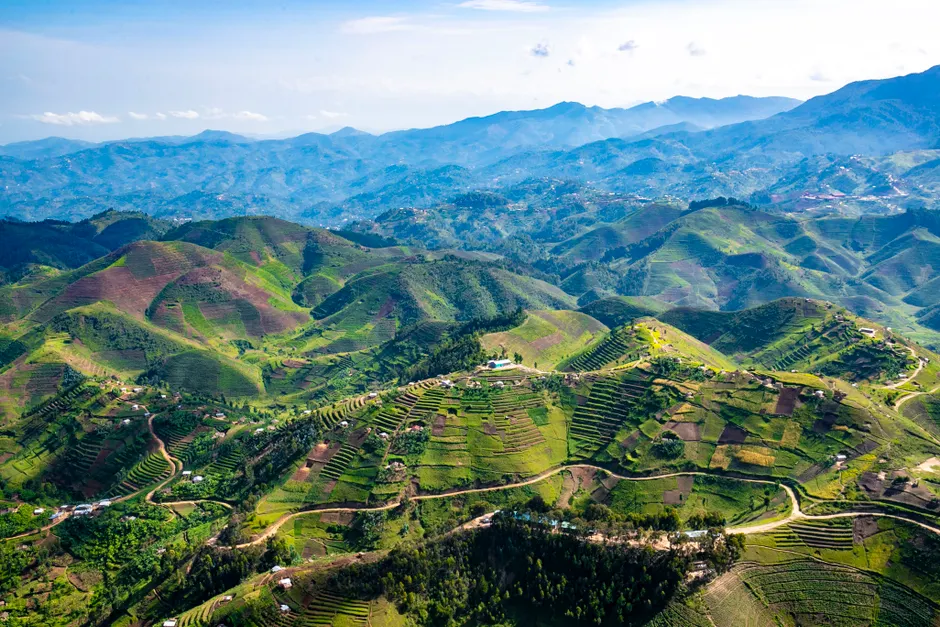
Eastern DRC's susceptibility to outbreak amplification is structural, not incidental. Decades of armed conflict have displaced large populations, hollowed out health infrastructure, and left facilities chronically undersupplied, UNICEF noted. UNICEF warned on June 11 that more children are likely to be affected in the days ahead as the virus continues to spread in the region.
Bundibugyo virus was first identified in Uganda's Bundibugyo District in 2007 and has a lower case fatality rate than Zaire ebolavirus, but it is not well-covered by the rVSV-ZEBOV vaccine (Ervebo) that proved decisive in ending the Kivu outbreak. There is no licensed vaccine specifically for the Bundibugyo species, which materially limits the ring vaccination strategies that have been the backbone of recent Ebola containment. MSF, which is actively responding to the outbreak, confirmed the Bundibugyo causation as of June 14.
The cross-border dimension — with Uganda also affected — adds surveillance and coordination complexity that a purely national response cannot absorb. PHEIC designation opens access to WHO emergency financing and is intended to mobilize coordinated international action, but funding mobilization consistently lags the epidemiological curve in central African outbreaks.
What the next weeks will test is whether supply chains for PPE and therapeutics can be stabilized fast enough to halt nosocomial amplification, and whether case-finding in communities already fractured by conflict can keep pace with a virus that has, in roughly six weeks, moved from eight confirmed cases to more than eight hundred.