NASA's Swift Observatory Gets a Lifeline: Robotic Servicing Mission Preps for June 2026 Launch

NASA's Swift Observatory Gets a Lifeline: Robotic Servicing Mission Preps for June 2026 Launch
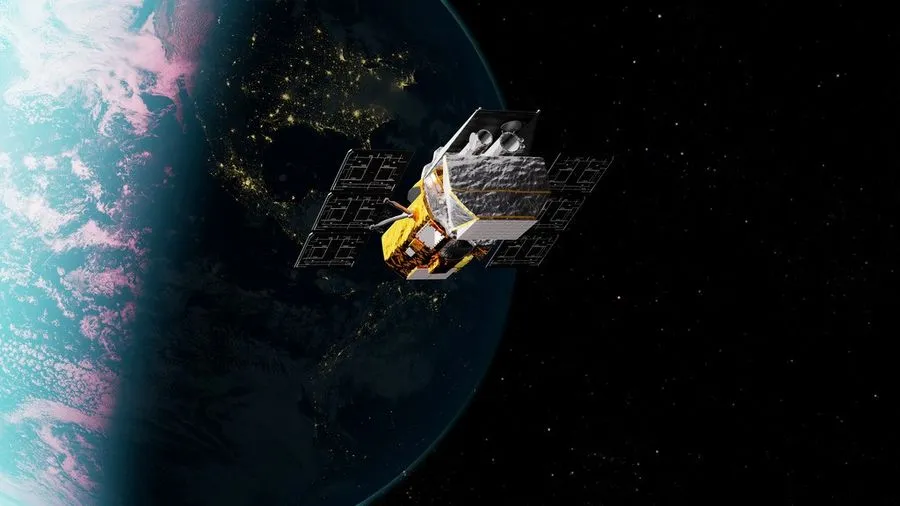
NASA's Swift Boost mission is scheduled to launch in June 2026, sending Katalyst Space Technologies' LINK robotic servicing spacecraft into orbit aboard a Northrop Grumman Pegasus XL rocket — with the goal of raising the Swift observatory's altitude and extending its operational life.
Swift launched in November 2004 and has spent more than two decades detecting gamma-ray bursts with its Burst Alert Telescope, among other instruments. Orbital decay is a straightforward physics problem: a spacecraft in low Earth orbit loses altitude gradually due to residual atmospheric drag, and without a propulsion capability of its own to compensate, its mission clock runs down. The Swift Boost mission is the proposed fix.
The Hardware
Katalyst's LINK spacecraft completed testing and integration at NASA's Goddard Space Flight Center in May 2026, clearing a critical pre-launch milestone. LINK is designed as a free-flying robotic servicer — it will autonomously rendezvous with Swift, attach, and use its own propulsion system to execute the orbit-raising maneuver. The spacecraft is not a human-tended platform; the entire operation is planned to run robotically.
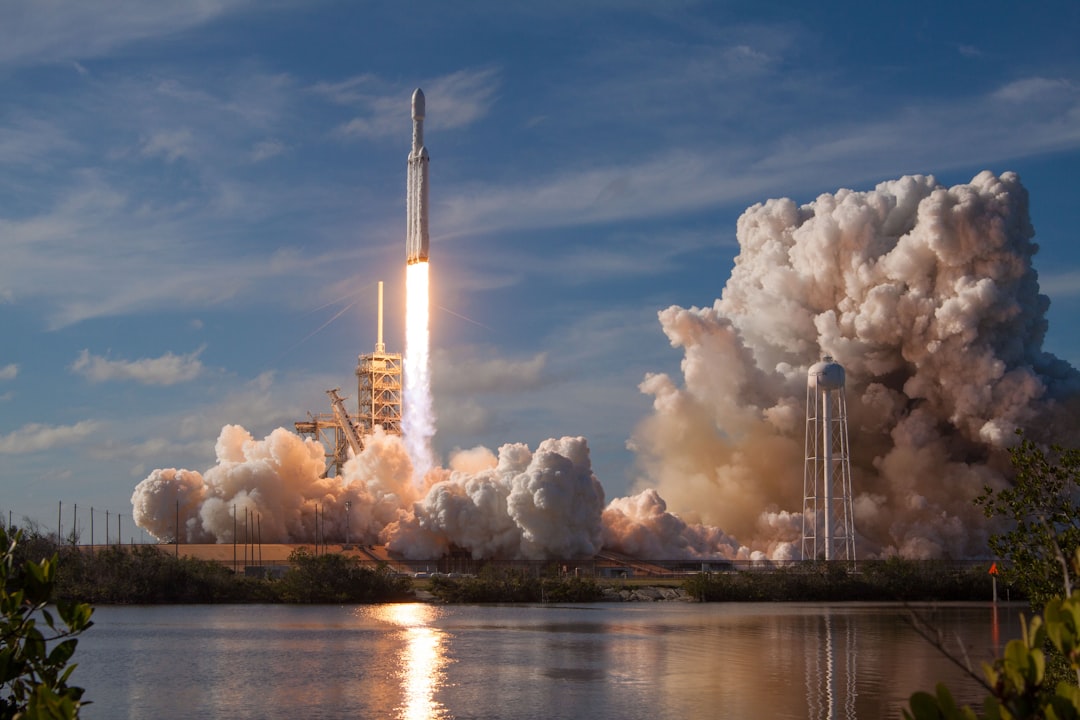
The Pegasus XL is itself a well-established vehicle for this weight class: an air-launched solid-fuel rocket deployed from a carrier aircraft, typically used for smaller payloads to low Earth orbit. It is an appropriate match for a mission of this scope and mass.
Operations Transition
NASA began repositioning Swift operationally well ahead of the launch. As of February 11, 2026, the mission transitioned its operations posture specifically to prepare for the boost. That transition involved adjusting how the spacecraft is managed and monitored in anticipation of the servicing sequence — a necessary step when an aging observatory is about to hand off propulsive authority to an external vehicle.
The Burst Alert Telescope is expected to remain operational through the boost and continue detecting gamma-ray bursts afterward. That continuity matters: Swift's BAT has functioned as a key node in the global gamma-ray burst alert network for over two decades, and gaps in coverage have real downstream effects for follow-up observations by other facilities.
The Broader Picture
In-space servicing has been discussed as a discipline for decades, but operational execution — particularly for science assets not designed with servicing interfaces — has remained rare. The Swift Boost mission sits alongside a small but growing set of robotic servicing demonstrations that are beginning to move from concept to flight. It is worth watching whether LINK's performance on Swift informs how future science missions are designed from the outset, particularly whether agencies begin specifying servicing compatibility as a baseline requirement rather than an afterthought.
For Swift itself, a successful orbit raise would add years to a mission that has already outlasted its primary design life by a considerable margin — and keep the BAT network node intact for a scientific community that still relies on it.