Former Olympic Canoeist Charged Over Lincoln Memorial Reflecting Pool Vandalism

David Hearn, a 67-year-old former U.S. Olympic canoeist from Bethesda, Maryland, has been arrested and charged with destruction of government property for allegedly vandalizing the Lincoln Memorial Reflecting Pool in Washington, D.C., according to AP News.
Hearn's background is notable. He built a career in watercraft manufacturing, running a company that produced composite materials used in canoe and kayak construction — technical expertise that puts him in close proximity to the chemistry of water-borne materials. The specific nature of the alleged vandalism has not been detailed in the charge sheet made public so far, but the federal charge of destruction of government property carries significant legal weight: under 18 U.S.C. § 1361, damage exceeding $1,000 to federal property can trigger felony prosecution with penalties of up to ten years.
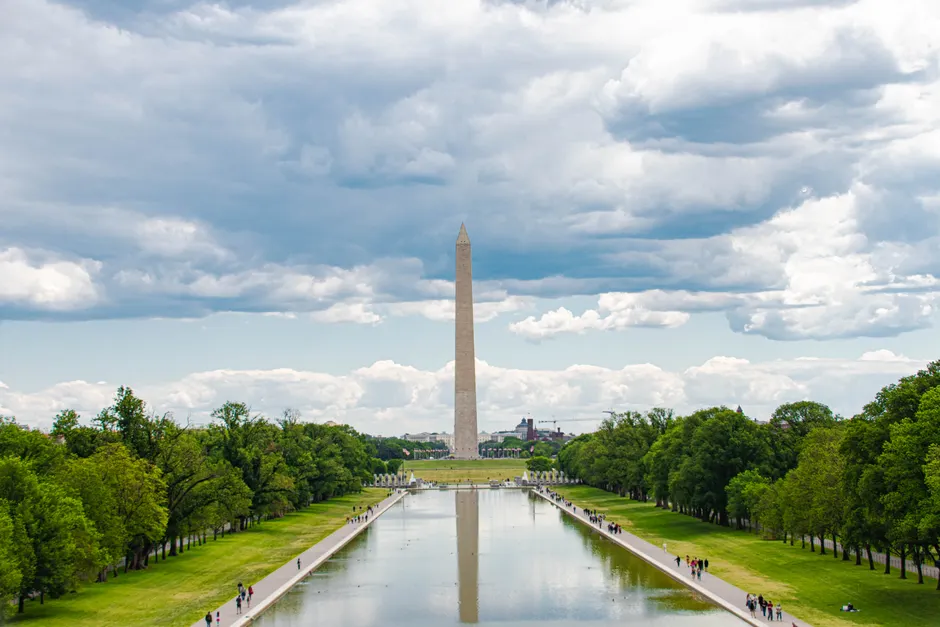
The Reflecting Pool, a 2,029-foot-long neoclassical basin stretching between the Lincoln Memorial and the World War II Memorial, is among the most visited federal landmarks in the country. It underwent a major rehabilitation completed in 2012 after decades of chronic leakage and algae problems — problems rooted in its original 1922 design, which lacked a recirculation system and drew from the Tidal Basin and groundwater. The restored pool uses a recirculating filtration system, but algae blooms have continued to recur seasonally, a persistent challenge for the National Park Service.
That history matters here. Former President Donald Trump, without offering substantiation, publicly attributed the pool's visible problems to vandalism — a framing that now sits awkwardly alongside the arrest of a single individual, the nature of whose alleged act has not been officially connected to any large-scale or chronic discoloration of the water. Attributing infrastructure or maintenance issues to deliberate sabotage, ahead of any law enforcement conclusion, carries its own set of political risks when charges eventually do emerge in a narrower form.
The case lands at the intersection of federal property law, monument preservation, and the politically charged atmosphere around Washington's civic landmarks. Federal prosecutors handling destruction-of-property charges involving national monuments tend to pursue them vigorously — partly as deterrence, partly because the symbolic dimension of the target amplifies the public interest calculus. High-profile prosecutions over Capitol grounds damage after January 6, 2021, set a precedent for treating attacks on federally significant spaces with an elevated seriousness that standard vandalism statutes alone might not convey.
What the public record does not yet establish is the precise method, scale, or motive behind what Hearn is alleged to have done. Those details will likely emerge through court filings, and they will matter enormously for assessing whether Trump's broader vandalism narrative has any evidentiary grounding — or whether it preceded, and perhaps shaped, the investigative focus in ways that will face scrutiny in discovery.