US Connected-Car Rules Bite: Ford Seeks Licenses, Volvo Gets a Pass, and Polestar Faces an Existential Problem
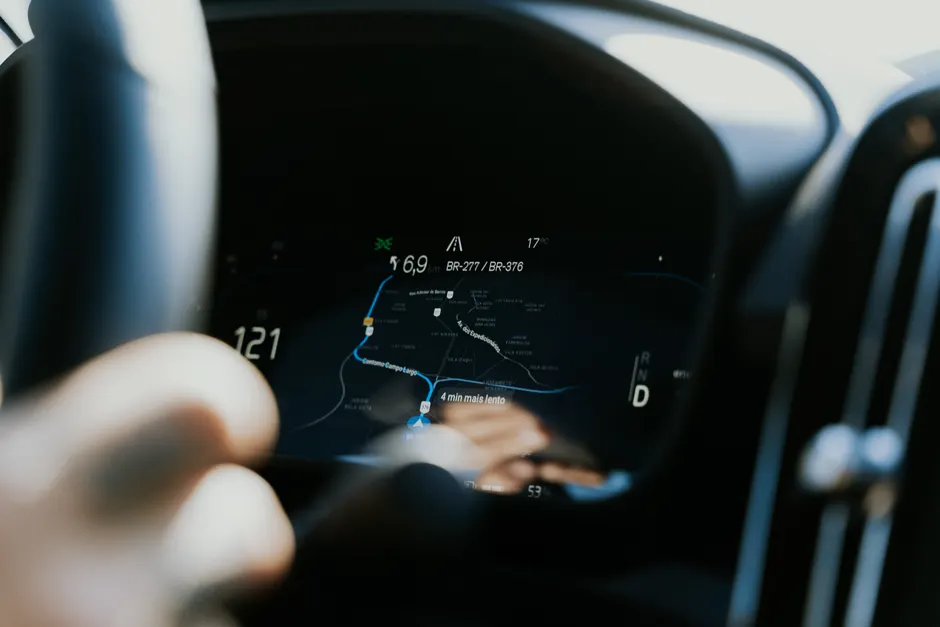
US rules banning Chinese-developed and Chinese-maintained software from vehicles sold in America took effect in March 2026 for the 2027 model year, and the compliance picture is now fragmenting along brand lines in ways that expose how differently the regulation lands depending on where a vehicle is designed, built, and software-integrated.
The rules, finalized by the Biden administration in January 2025, impose a sweeping prohibition on connected-vehicle software and hardware with Chinese or Russian supply-chain provenance. The software restrictions apply from the 2027 model year; a parallel hardware ban follows on the same model-year schedule. The Commerce Department framed the measures around national-security data risks — vehicle telematics, cameras, and sensor systems that continuously transmit location, occupancy, and behavioral data represent a different threat surface than, say, a consumer smartphone, because the fleet-level aggregate is harder to anonymize and harder to contain.
Who Gets a Carve-Out and Who Does Not
Volvo Cars secured US approval in late May 2026 to continue importing vehicles equipped with connected-car technology that would otherwise fall under the ban, according to Reuters. The approval signals that the licensing mechanism built into the framework is functional — at least for manufacturers whose parent-company structure, engineering workflows, and software provenance can be documented to the regulator's satisfaction. Volvo's Geely parentage makes that audit non-trivial, which makes the approval notable.
Ford and other automakers landed in a different position. Because US-developed software is physically installed into their vehicles at Chinese manufacturing facilities, those vehicles require licenses under the connected-car rule even though the software itself originates in the United States, per a June 2026 Reuters report. This is a territorial-provenance wrinkle the rule's architects may not have fully stress-tested: the ban targets where software is developed or maintained, but the licensing trigger apparently activates on where integration occurs. For Ford, which builds vehicles in China for sale in other markets, navigating that distinction is now a compliance cost of doing business.
Polestar's situation is the starkest. The brand had already flagged in October 2024 that the proposed Biden rules would, in effect, prohibit the sale of its cars in the United States — and the finalized rules did not change that calculus. Polestar vehicles are manufactured in China, and the software stack is deeply integrated with Chinese-developed systems. There is no easy surgical substitution available on the timescale the rules demand.
The Regulatory Position Holds
US Trade Representative Jamieson Greer stated in April 2026 that he sees no changes coming to the data rules that bar Chinese vehicles from US roads. That position matters because it forecloses the industry lobbying path that some manufacturers had been quietly pursuing. The rules are not under active review. Companies are in implementation mode whether they are ready or not.
The broader architecture here is worth understanding clearly. This is not a tariff. Tariffs adjust price and can be absorbed or passed through. A software and hardware ban sets a binary condition: the product either complies or it cannot legally be sold. That makes the enforcement mechanism categorically different from the trade tools the US has historically used against Chinese auto imports, and it means companies cannot simply price their way through it.
Looking at what this means structurally for the industry: the compliance divergence now emerging — Volvo approved, Ford licensing, Polestar effectively locked out — suggests the rules will accelerate a de-facto unbundling of global vehicle supply chains around software provenance. Automakers building next-generation platforms will face strong pressure to separate their China-market software stacks from those destined for US-bound vehicles at the architecture level, not just at the integration level. That is a meaningful engineering and cost commitment, and one that takes multiple model cycles to execute cleanly.
The US connected-car framework is, at its core, a data-governance instrument expressed through product regulation. It is early in enforcement. How the Commerce Department handles edge cases — vehicles where Chinese and non-Chinese software components are deeply interleaved, or where cloud-based maintenance pipelines cross jurisdictions — will determine whether the licensing pathway becomes a workable compliance route or a bottleneck that further narrows the field of vehicles Americans can buy.


