Trump Administration Clears Volvo Cars to Continue Connected Vehicle Imports

Trump Administration Clears Volvo Cars to Continue Connected Vehicle Imports
The Trump administration has granted Volvo Cars approval to maintain imports of vehicles equipped with connected car technology into the United States. The decision comes amid broader scrutiny of foreign automotive technology and follows previous administration concerns about data security in connected vehicles from Chinese-owned manufacturers.
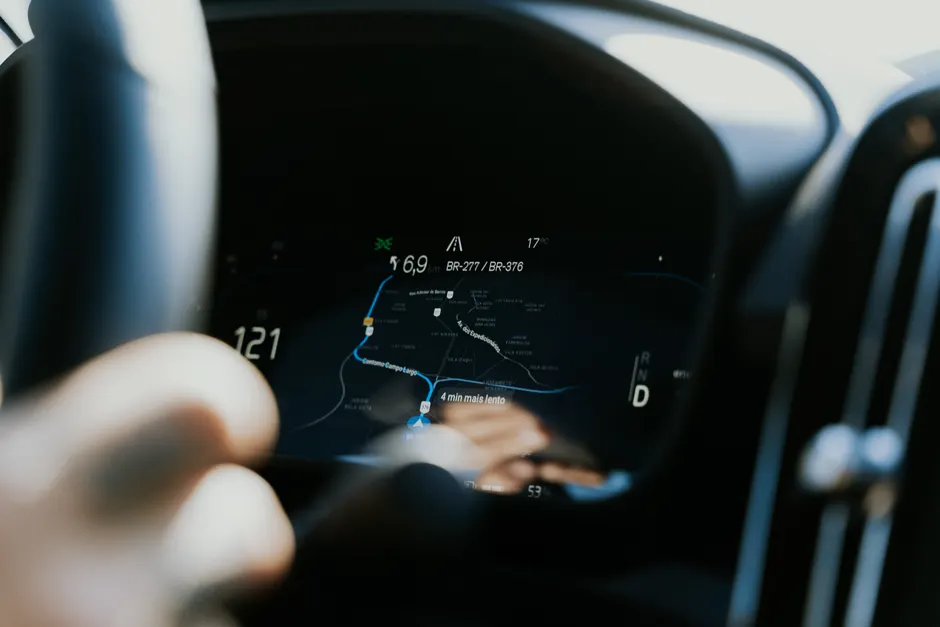
Volvo Cars, owned by China's Geely since 2010, had faced potential restrictions on its connected vehicle imports as part of wider national security reviews of automotive technology. The approval allows the Swedish automaker to continue selling vehicles with integrated connectivity features, including over-the-air updates, telematics, and infotainment systems that communicate with external networks.
Connected Vehicle Technology Under Review
Connected car systems represent a significant shift in automotive architecture. Modern vehicles contain between 8,000 and 12,000 components, many of which now include sensors, processors, and communication modules that enable real-time data exchange with manufacturers, service providers, and infrastructure systems.
These systems collect and transmit operational data including location, driving patterns, vehicle diagnostics, and user behavior. The data flows raise questions about cybersecurity, privacy, and potential foreign access to information about American infrastructure and individual movements.
The automotive sector has emerged as a focal point for technology security reviews. The industry accounts for between one-third and more than half of industrial robots in use globally, making it a critical component of manufacturing infrastructure. Additionally, 80 percent of the global robot market concentrates in specific geographic regions, creating dependencies that concern national security planners.
Geely Ownership Complicates Security Assessment
Volvo Cars' ownership structure complicates the security assessment. Geely Holding Group, based in Hangzhou, acquired the brand from Ford Motor Company in 2010 for $1.8 billion. While Volvo maintains operational independence and manufacturing facilities in Europe and the United States, the ultimate Chinese ownership has drawn regulatory attention.
The connected vehicle approval suggests the administration conducted a case-by-case review rather than implementing blanket restrictions on Chinese-owned automotive brands. This approach mirrors similar nuanced decisions in other technology sectors where ownership alone does not determine security classification.
The decision also reflects the practical challenges of restricting established automotive imports. Volvo Cars operates significant manufacturing and employment footprints in allied countries, including substantial operations in Sweden and Belgium. The related Volvo Trucks North America employs 3,200 people, illustrating the broader economic considerations beyond the passenger car division.
Technical Architecture and Data Flows
Connected vehicles generate multiple data streams through embedded cellular modems, Wi-Fi capabilities, and satellite communication systems. Vehicle control units collect information from dozens of sensors monitoring everything from engine performance to steering input and brake pressure.
This data serves legitimate functions including predictive maintenance, emergency response coordination, and over-the-air software updates. However, the same systems that enable these features also create potential attack vectors for malicious actors seeking to access vehicle controls or harvest location and behavioral data.
The approval process likely involved technical assessments of data handling practices, encryption standards, and the isolation of safety-critical systems from connectivity features. Modern automotive cybersecurity frameworks emphasize segmentation between entertainment systems and core vehicle functions like braking and steering.
Broader Industry Implications
Looking at the broader context, this approval establishes precedent for how the administration will handle other foreign-owned automakers with significant connected vehicle deployments. The case-by-case approach suggests that operational practices and technical architectures matter more than simple ownership geography in security determinations.
We have seen this pattern before with telecommunications equipment reviews, where specific vendors faced restrictions while others with similar ownership profiles received conditional approvals based on technical compliance and operational controls.
The decision also reflects the automotive industry's global integration reality. Modern vehicles incorporate components from dozens of countries, making pure domestic sourcing impractical for connected features. The approval acknowledges that security comes from proper implementation rather than geographic purity.
For other automakers, particularly those with Chinese partnerships or ownership, the Volvo precedent provides a framework for demonstrating compliance with security requirements. Technical transparency, data localization commitments, and operational independence appear to carry more weight than ownership structures in the approval process.
Market and Technology Development
The approval removes immediate uncertainty for Volvo's connected vehicle roadmap in the US market. The company has been developing advanced connectivity features, including the ES90 model that was recently displayed at industry events showcasing next-generation vehicle technology integration.
Connected vehicle technology continues advancing rapidly, with features like vehicle-to-infrastructure communication, autonomous driving assistance, and integrated payment systems becoming standard rather than premium options. Regulatory clarity on data handling and security requirements helps manufacturers plan development cycles that can span five to seven years from concept to market.
The decision also provides clarity for the broader connected vehicle ecosystem, including suppliers of cellular modems, cloud services, and software platforms that enable these features. Uncertainty about regulatory approval can delay technology adoption and investment in supporting infrastructure.
In this author's view, the case-by-case approach represents a mature response to complex technology security questions. Rather than broad prohibitions based on corporate nationality, focusing on specific technical practices and operational controls better serves both security objectives and market functionality. The automotive industry's global supply chains make blanket restrictions impractical, while targeted technical requirements can address specific security concerns without disrupting established business relationships.