Twin Magnitude-7 Earthquakes Strike Venezuela, Collapsing Buildings Near Caracas
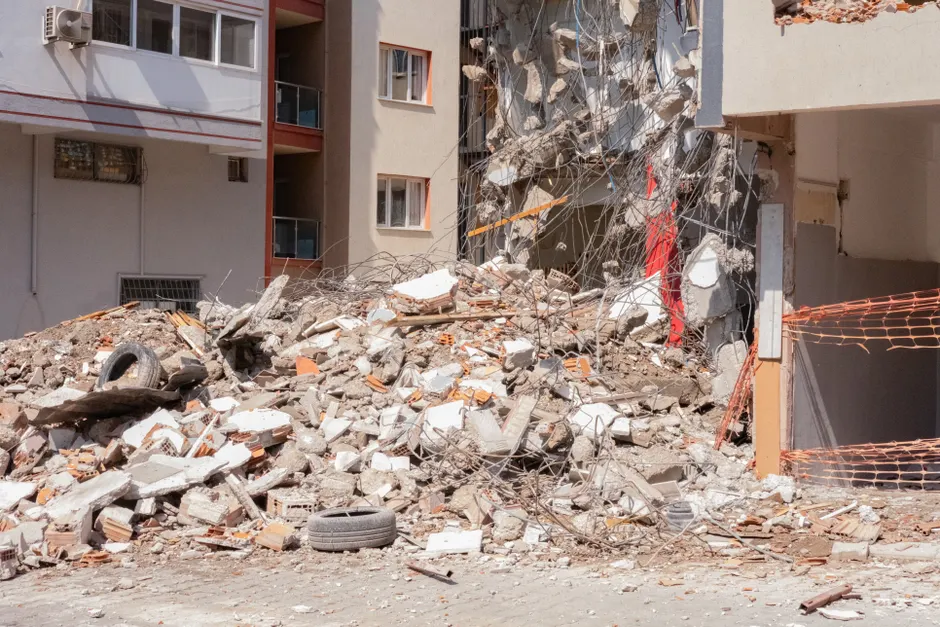
Two powerful strike-slip earthquakes struck northwestern and central Venezuela on June 24, 2026, with both epicenters located in San Felipe, Yaracuy state — approximately 160 kilometers west of Caracas — trapping people beneath collapsed buildings across the capital and surrounding areas.
The first quake registered M7.2 at 18:04 Venezuela Time. Less than a minute later, a second earthquake measuring M7.5 struck the same epicentral zone, according to Reuters. That near-simultaneous sequencing — rare in itself — compounded structural damage that a single event might not have produced. Buildings weakened by the initial rupture had no recovery window before the larger shock arrived.
Structural Vulnerability and the Scale of Damage
Venezuela's building stock significantly amplified the humanitarian impact. Older construction and chronically substandard building practices left much of the urban fabric ill-equipped to absorb two large seismic events in rapid succession, AP News reports. This is not a new vulnerability. Decades of economic contraction, hyperinflation, and reduced public investment have gutted building inspection regimes and deferred structural maintenance across Venezuelan cities. Caracas sits in a seismically active corridor — the fault systems running along Venezuela's northern coast have produced damaging earthquakes historically — but mitigation infrastructure has eroded alongside broader institutional capacity.
The fault mechanism matters here. Strike-slip earthquakes, in which tectonic plates grind horizontally past one another, can generate intense near-field ground motion and tend to produce shallower ruptures that concentrate damage over a concentrated zone. San Felipe sits in Yaracuy state, inland from Venezuela's Caribbean coast, on fault structures associated with the boundary between the South American and Caribbean plates. That tectonic boundary has long been recognized as capable of producing major events; the June 24 sequence sits within the expected threat envelope, even if the back-to-back timing elevates it.
Response and Wider Context
Casualty figures were not yet confirmed in the verified sources available, though Reuters cited high casualties as likely in early reporting. The scale of structural collapse in and around Caracas — Venezuela's most densely populated urban area — points toward a significant death toll once comprehensive assessments are completed.
Venezuela's capacity to mount an effective emergency response faces well-documented constraints. The country's civil protection and emergency medical infrastructure have been strained by years of economic crisis; hospital systems that were already operating below capacity will absorb mass-casualty pressure under difficult conditions. International humanitarian access, historically complicated by the political situation under the Maduro government, will be a variable worth watching as the response develops. Whether Caracas opens formal humanitarian corridors or requests assistance through established UN mechanisms will shape how quickly external search-and-rescue assets can be deployed.
The proximity of the epicenter to Caracas — a city of several million — and the compound nature of the event, with two M7+ ruptures in under sixty seconds, places this among the more consequential seismic events in South American urban history in recent decades. Search and rescue operations in dense urban rubble are time-sensitive; the 72-hour window for survivor recovery is a hard operational constraint that response planners will be racing against as of June 24.


