Uber Ends Waymo Rides in Phoenix, Closing a Chapter on Their Flagship Market

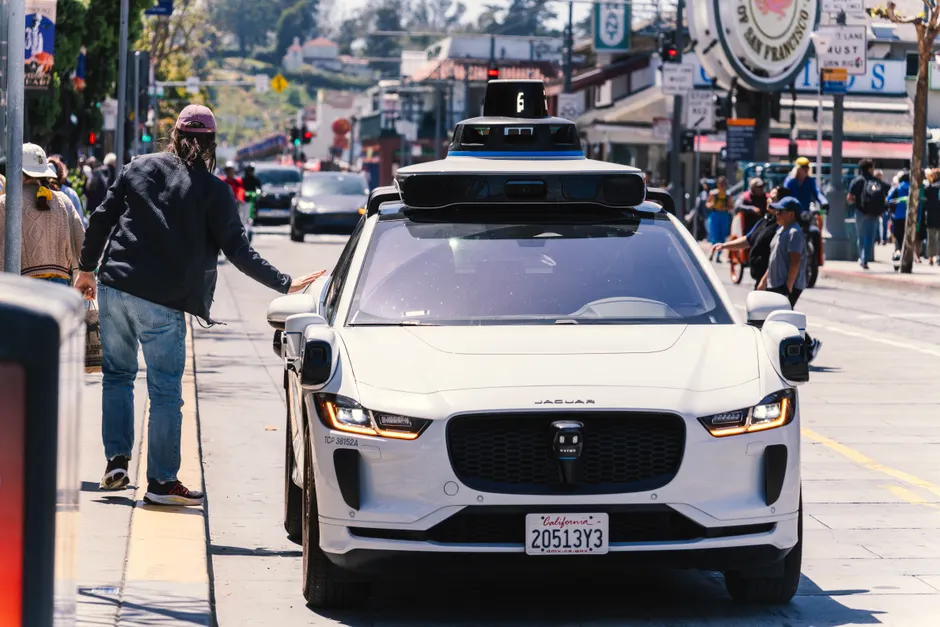
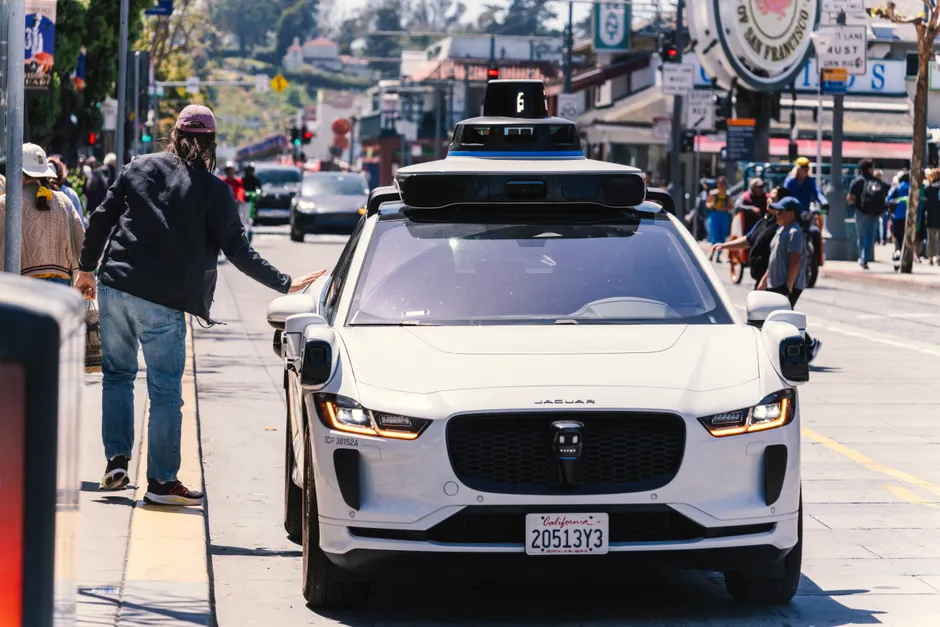
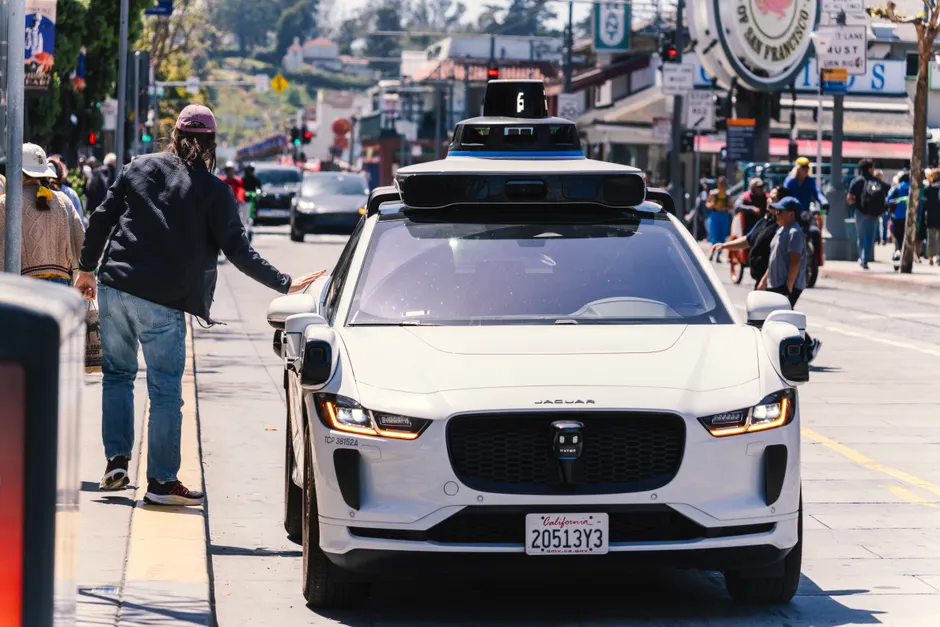
Uber has stopped offering Waymo autonomous rides in Phoenix, ending service in the city where the two companies first brought their partnership to consumers in October 2023.
Phoenix was the proving ground. When Waymo and Uber announced their collaboration in May 2023, the pitch was straightforward: Waymo's robotaxi fleet, operating across more than 180 square miles of metro Phoenix — then the largest fully autonomous commercial service area in the world — would become bookable through Uber's consumer app. Waymo handled the hardware, software stack, and safety validation; Uber provided the demand surface and the payment rails. The Waymo Driver went live on Uber in Phoenix that October, marking the first time a major ride-hailing platform had integrated a third-party autonomous vehicle service at commercial scale.
The partnership then broadened quickly. By April 2024, Waymo-operated vehicles were handling Uber Eats deliveries in Phoenix, extending the autonomous fleet into last-mile logistics. Five months later, in September 2024, Uber and Waymo announced expansion into Austin and Atlanta, signaling that the Phoenix model was considered mature enough to replicate. Austin launched on the Uber platform in early 2025. Throughout this period, Waymo One was logging hundreds of thousands of trips per week across San Francisco, Phoenix, and its other active markets.
The withdrawal from Phoenix on the Uber platform is therefore a notable contraction — not of Waymo's autonomous operations in the city, which continue independently under the Waymo One brand, but of the specific distribution channel Uber represented there.
The practical significance depends on which lens you apply. From a fleet-utilization perspective, Phoenix remains Waymo's most operationally mature AV environment: a sprawling, largely grid-planned metro with predictable weather, wide lanes, and years of accumulated HD mapping and scenario data. Losing the Uber booking surface reduces one demand channel but does not affect Waymo's core operational capability in the market. From Uber's perspective, Phoenix was always the pilot; Austin and Atlanta are the active expansion fronts, and Uber Eats autonomous delivery partnerships extend further still.
The structural logic of the Uber–Waymo arrangement was always asymmetric. Waymo needed distribution at scale to generate commercially meaningful ride volume before building out its own consumer acquisition funnel. Uber needed differentiated supply — particularly autonomous supply that carries no driver-hour constraints — to defend platform relevance as AV deployment accelerated. Those incentives aligned well enough in 2023 to launch. Whether they have remained aligned in Phoenix specifically, or whether the two companies have found the economics less favorable than projected, is not stated in available disclosures.
The broader AV market context is worth noting. Waymo is the only company operating a fully driverless commercial service at meaningful scale in the United States. Its competitors have either retreated — Cruise suspended operations following a serious safety incident in late 2023 — or remain in pre-commercial validation phases. That competitive position gives Waymo leverage in negotiating distribution terms, and it is reasonable to expect the contours of its partnerships to shift as the company's own direct-to-consumer channel matures and as its fleet size grows. Waymo One's trip volumes suggest the direct app is already a substantial demand channel in its own right.
For engineers and operators watching AV commercialization closely, the Phoenix story carries a specific lesson. Launching a robotaxi service is an operational challenge measured in years of mapping, edge-case accumulation, regulatory approvals, and fleet maintenance infrastructure. Sustaining and scaling it is a different problem — one that involves channel economics, consumer habits, and the strategic interests of platform partners that may not remain fixed. The Uber–Waymo partnership produced real-world data and genuine consumer adoption across multiple cities. That it is now being trimmed in its original market is less a verdict on AV technology than a signal that the commercial layer above the technology is still being negotiated, market by market, quarter by quarter.