Waymo and Uber Part Ways in Phoenix, Closing a Three-Year Autonomous Ride-Hailing Experiment
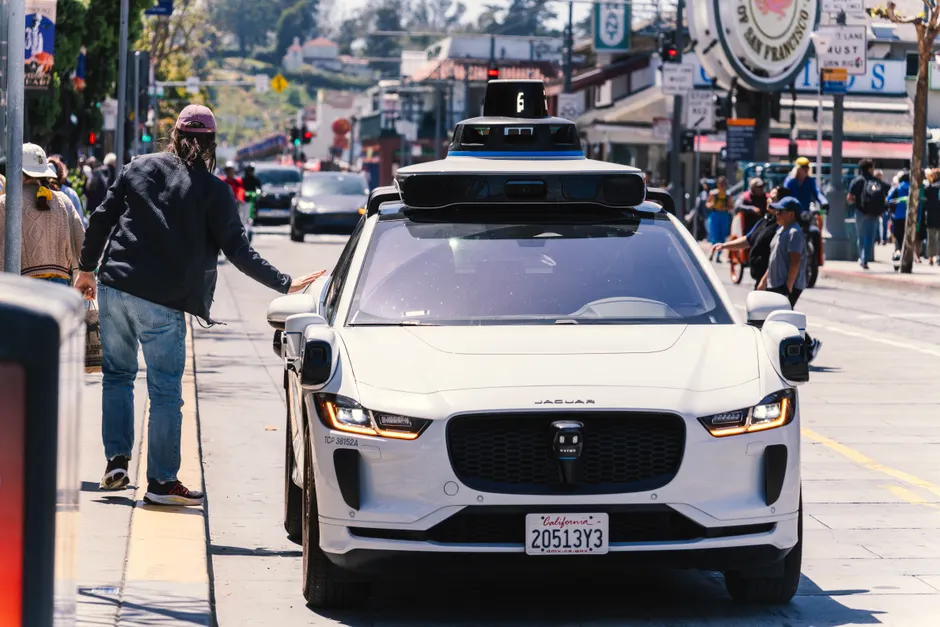
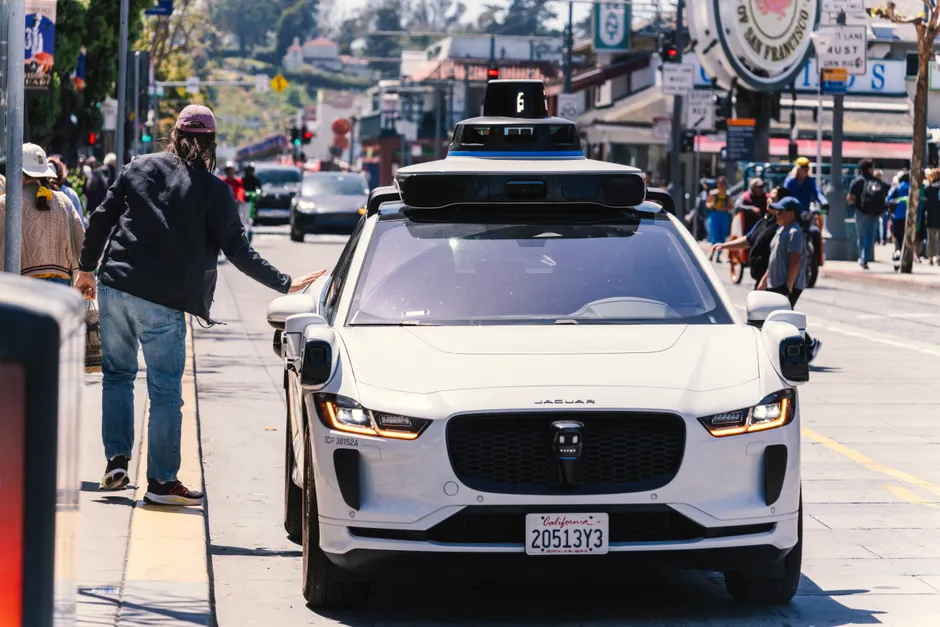
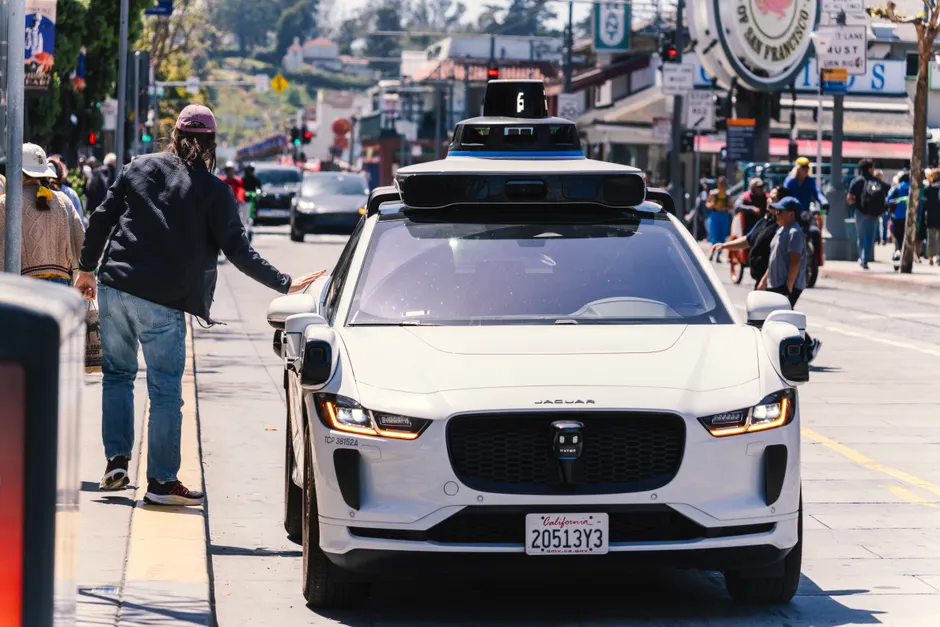
Waymo and Uber have ended their commercial partnership in Phoenix, according to a TechCrunch report published on 29 June 2026 — closing a collaboration that began in May 2023 and at one point extended to autonomous deliveries and multi-city expansion plans.
The partnership had launched with considerable momentum. Waymo and Uber announced their initial agreement in May 2023, framing it as a way to combine Waymo's autonomous driving stack with Uber's ride-hailing distribution network. By October 2023, the Waymo Driver was live for passengers booking through the Uber app in Phoenix. The following spring, the arrangement widened: from April 2024, Waymo vehicles were dispatched for Uber Eats deliveries in the Phoenix metro area, making it one of the first production deployments of fully autonomous last-mile delivery at commercial scale. Then, in September 2024, both companies announced plans to extend the ride-hailing integration to Austin and Atlanta.
The geographic trajectory — Phoenix to two additional major metros — suggested a relationship that was deepening, not contracting. The exit, then, warrants attention.
What the Architecture of This Deal Revealed
The Waymo–Uber model was structurally distinct from Waymo's own first-party service, Waymo One, where Waymo controls the booking interface, the fleet dispatch, and the customer relationship end-to-end. Under the Uber integration, Waymo supplied the vehicle and the autonomous driving system; Uber handled demand aggregation, payments, and the rider-facing app layer. For Waymo, the upside was access to Uber's established rider base without the customer-acquisition overhead. For Uber, fielding autonomous vehicles on its platform was a way to participate in the AV economy without carrying the capital burden of developing its own self-driving stack — a path Uber itself abandoned when it divested its ATG unit to Aurora in December 2020.
That division of labor made commercial sense on paper. In practice, two-sided AV deployments introduce coordination complexity that single-operator fleets do not face: fleet availability signals, geofence management, surge pricing logic, and incident-response protocols all require tight integration across systems that were not designed together. Whether those friction points contributed to the Phoenix exit is not confirmed by the available sourcing.
The Broader Competitive Context
Waymo's first-party Waymo One service has been expanding in parallel, with paid robotaxi operations running in San Francisco and Los Angeles alongside Phoenix. That organic growth gives Waymo an increasingly credible alternative to distribution through a partner platform — and reduces the strategic urgency of a revenue-share arrangement with a competitor that is also investing in its own autonomous vehicle relationships, including a long-standing partnership with Aurora on freight.
Worth flagging here: the sequencing matters. Waymo agreed to bring Austin and Atlanta online through Uber as recently as September 2024. Unwinding the Phoenix operation less than two years later, before those city expansions were fully public, is a tighter reversal than the outward narrative of expansion would have implied. Whether Austin and Atlanta deployments proceed, stall, or are quietly shelved is the next data point to watch.
Uber, for its part, has consistently positioned itself as a platform agnostic to which AV provider sits underneath — it also has a commercial deal with Waymo rival Cruise's successor operations and has discussed integrations with other autonomy players. Losing the Waymo Phoenix integration does not strand Uber strategically, but it does thin the roster of active AV partnerships on its platform.
What This Means for the Deployment Model
The Phoenix experiment produced something genuinely useful: roughly three years of commercial operational data on how a third-party AV fleet performs inside a major consumer ride-hailing product, including the extension into autonomous delivery. That data — on utilization rates, rider acceptance, geofence edge cases, and delivery handoff logistics — has value regardless of which company holds it.
The harder question, and one the industry has not yet answered cleanly, is whether the future of AV deployment runs through vertically integrated operators like Waymo One, through platform aggregators like Uber acting as a marketplace, or through some hybrid that has not yet crystallized. Phoenix was a live test of the aggregator model at production scale. Its closure narrows, at least for now, the evidence base for that thesis.
The infrastructure being built — the vehicle fleets, the sensor and compute stacks, the HD mapping pipelines — is not going anywhere. The commercial layer above it, it turns out, is still being negotiated.