UK Secures £15bn Drone Boost as Healey Reshapes Defence Posture

The UK government has secured an additional £15 billion for defence, with a significant portion directed toward drones and autonomous systems, as Defence Secretary John Healey unveiled an updated investment plan on 29 June 2026.
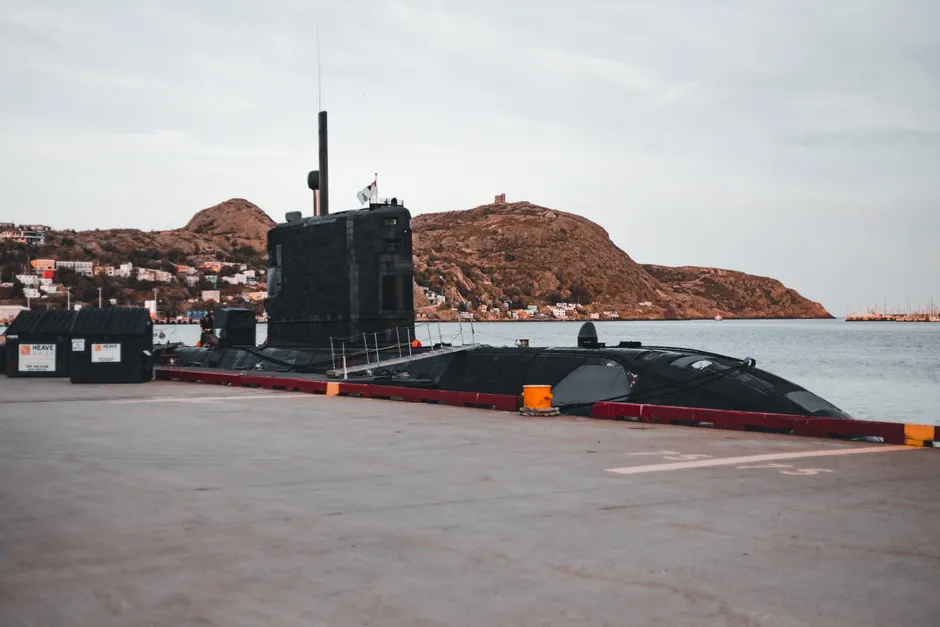
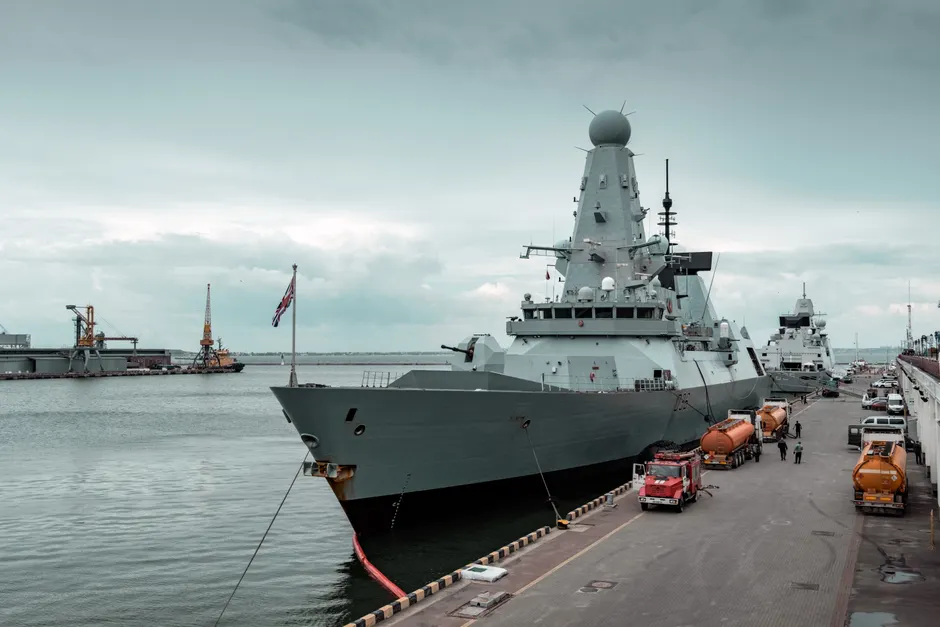
The allocation, confirmed alongside joint remarks by Prime Minister Keir Starmer and NATO Secretary General Mark Rutte at 10 Downing Street, includes procurement of modern drone-equipped naval vessels — a direct signal that the Royal Navy's surface fleet will operate alongside uncrewed platforms rather than simply hosting them as adjuncts. BBC News reported the vessel investment as a core element of the broader plan published on the same day.
The Financial Times reported, three days earlier, that the defence investment package would extend across the broader autonomous-systems portfolio — covering not just maritime drones but the wider uncrewed and AI-enabled layer that NATO members have been pressing allies to develop since Russia's full-scale invasion of Ukraine exposed the attrition economics of conventional munitions.
The NATO Pressure Point
Healey's announcement lands against an active pressure campaign from Brussels. BBC reporting from 11 days prior had flagged the UK's defence spending trajectory as a concern for the alliance — a notable framing given that the UK has historically been one of the few NATO members consistently above the 2% GDP threshold. The debate inside NATO has since shifted from whether members hit 2% to whether that figure is adequate given the threat environment, with Rutte publicly pressing members toward 3.5% of GDP in aggregate (combining defence and defence-relevant infrastructure).
Rutte's presence at Downing Street for the announcement was not incidental. NATO has been calibrating its public posture carefully ahead of its June 2026 summit, and co-staging the UK spending announcement with the Secretary General gives both parties a joint narrative: the alliance is cohering, and one of its largest contributors is accelerating capability investment rather than relying on headline spending figures alone.
What the Drone Emphasis Signals
The pivot toward autonomous systems reflects a set of lessons that have become doctrinal orthodoxy since 2022. Uncrewed surface vessels (USVs) and aerial drones reduce crew-risk in contested littoral environments, extend persistent ISR coverage, and — critically — can be produced and replaced at a cost-per-unit that conventional platforms cannot match. Ukraine's maritime drone campaign against Black Sea Fleet assets demonstrated that small, affordable uncrewed systems can impose disproportionate operational costs on a near-peer adversary.
For the Royal Navy specifically, integrating drone-equipped vessels into the fleet structure addresses a persistent gap: the service has too few hulls to maintain simultaneous commitments in the North Atlantic, Indo-Pacific, and Red Sea corridors. USVs do not fully substitute for frigates, but they extend presence at lower sustainment cost.
The broader autonomous systems line in the investment plan — encompassing ground, air, and cyber-adjacent uncrewed capability — positions the UK within the European industrial effort to build sovereign drone supply chains. That effort gained urgency after shortfalls in Bayraktar and Switchblade supply showed the risk of dependence on single-nation producers.
What Comes Next
The £15 billion figure represents a commitment, not yet a contract portfolio. Spending reviews and defence industrial strategies habitually announce toplines that then get disaggregated, delayed, or quietly reprioritised through subsequent procurement cycles. Healey's department will face pressure to demonstrate that the autonomous systems allocation translates into signed frameworks with UK industrial partners — particularly given the government's parallel ambition to use defence spending as an industrial policy lever.
Rutte's co-appearance sets an implicit accountability marker. If the UK's force development does not keep pace with the ambition stated on 29 June, the gap between announcement and delivery will be visible to NATO partners who were present for the original commitment.
The vessel procurement strand will be watched most closely in the near term. Modern drone-equipped ships require not just hull contracts but the sensor fusion, communications architecture, and human-machine teaming doctrine to operate effectively — capabilities that take years, not months, to mature.