South Africa's June 30 Anti-Immigration Deadline: Mass Arrests, Departures, and a Government Walking a Tightrope
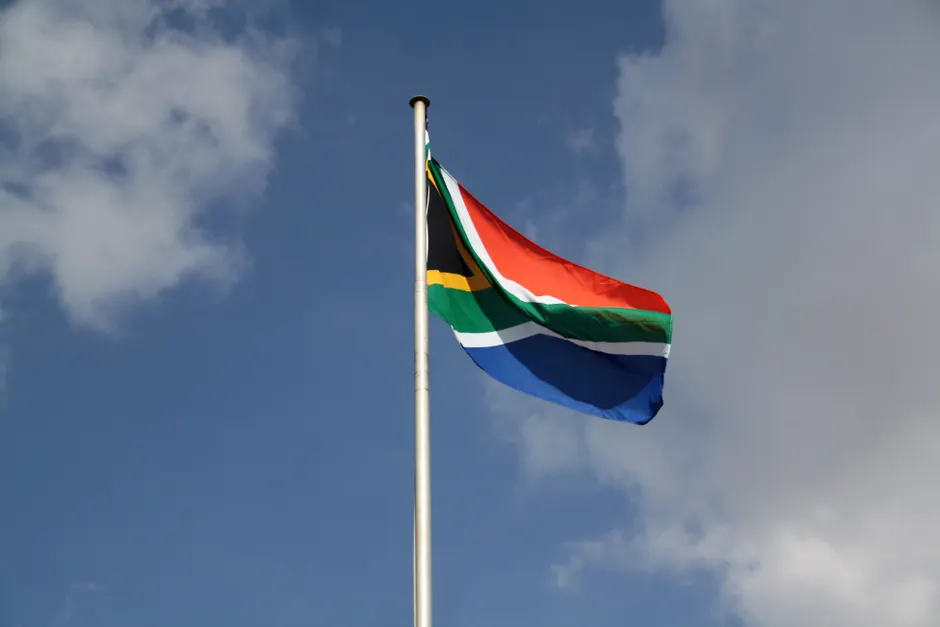
Anti-immigration groups in South Africa gave undocumented foreigners until June 30, 2026 to leave the country — a deadline the government explicitly refused to recognize but could not entirely ignore.
The ultimatum, issued by xenophobic protest organizers, drove thousands of foreign nationals out of South Africa in the days leading up to the date, according to France 24. Widespread anti-immigration demonstrations were planned to coincide with the deadline. Authorities had already tightened security well before June 30, with police visibility ramped up as the date approached, Al Jazeera reported.
The state's public posture was firm. Acting Police Minister Firoz Cachalia called on protesters to march peacefully on June 22, while Gauteng Premier Panyaza Lesufi — flagging deep concern about rising tensions — warned that law enforcement would quell any criminality at the June 30 demonstrations. Neither official accepted the legitimacy of the deadline itself, and authorities made clear it carried no legal weight.
A Crackdown Already Underway
The protests did not emerge into a law-enforcement vacuum. South Africa's Inter-Ministerial Committee on Migration, at a June 14 media briefing, reported that operations conducted since January 1, 2026 had resulted in the arrest of more than 40,000 undocumented foreign nationals. In the single month prior to that briefing alone, over 7,400 arrests were recorded, according to SANews.
That enforcement tempo is not incidental. The IMC briefing was itself a political signal — the government needed to demonstrate operational seriousness to a domestic audience growing impatient on immigration, while simultaneously reassuring international partners and migrant communities that due process was not being abandoned. Forty thousand arrests in six months is a substantial operational number; whether it reflects a sustained policy shift or a temporary surge timed to the political moment is a question the government has not yet answered publicly.
What the Protest Movement Wants
Anti-foreigner groups have centered their grievances on labor market displacement and pressure on public services — the standard framing in South Africa's recurring immigration debates, as Reuters reported. South Africa's unemployment rate has remained among the highest in the world for years, creating fertile ground for narratives that attribute economic hardship to immigrant competition. Those claims are contested by economists, but they carry political weight in communities where formal employment is scarce.
The June 30 deadline itself was a tactical escalation. Setting a specific date forces a response — from authorities, from migrant communities, from the media — and shifts the framing from abstract policy grievance to immediate threat. That the government rejected the deadline's legitimacy while simultaneously deploying security resources in response to it illustrates the bind: ignoring such ultimatums risks violence; engaging with them, even to refuse, lends them a form of recognition.
The 2008 Shadow
The anxiety animating official caution is grounded in precedent. Xenophobic riots in 2008 resulted in significant casualties and the displacement of tens of thousands of people across South Africa, Al Jazeera noted. That episode scarred South Africa's international image and strained relations with neighboring states whose nationals bore the brunt of the violence. The political cost was lasting.
South Africa sits at a structural intersection that makes this tension persistent rather than episodic. As the continent's most industrialized economy, it draws labor migration from across southern and eastern Africa. Its porous borders, documented capacity constraints in the Department of Home Affairs, and high domestic unemployment create conditions where anti-immigration sentiment can organize quickly and find mass resonance. Premier Lesufi's concern was pointed at June 30, but the underlying dynamics long predate any single deadline.
What Comes Next
The immediate question on June 30 is whether protests remain within legal bounds and whether security deployments hold the line against violence. The larger question is what the government does with the enforcement infrastructure it has built. Forty thousand arrests since January represent a mobilization of state capacity; without a durable policy framework — on deportation processing, bilateral agreements with sending countries, and Home Affairs throughput — that capacity will not translate into the kind of stable outcome either authorities or communities are seeking.
The departure of thousands of foreign nationals before the deadline also carries costs that rarely feature in protest rhetoric: labor gaps in sectors that depend on migrant workers, disrupted communities, and diplomatic friction with neighbors who will be tracking how their citizens are treated. Those consequences will not resolve on June 30.


