Yen Slides to 40-Year Low as Dollar Hits 162.77, Intervention Skepticism Mounts
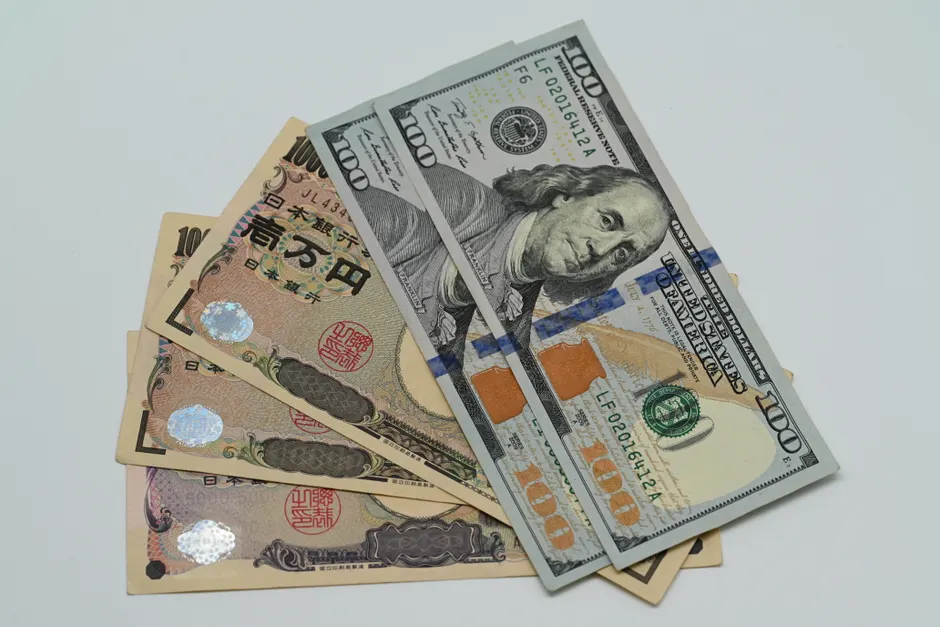
Yen Slides to 40-Year Low as Dollar Hits 162.77, Intervention Skepticism Mounts
The dollar reached 162.77 yen in early Asian trading on July 1, 2026, a fresh four-decade high, according to Reuters. That extends the move from June 30, when USD/JPY printed 162.66 — its highest since 1986 — before pushing through again overnight.
The pair's breach of 161.96 on June 30 was the technical tell. That level had held as a line in the sand through repeated rounds of verbal jawboning from Tokyo, and once it gave way, Japan Times reported that market participants remained skeptical that official efforts to support the yen had any durable weight behind them. Verbal intervention — finance ministry officials signaling concern, warning of "excessive moves," threatening action — has a shelf life measured in sessions, not weeks, when the rate differential driving the trade is this wide.
The structural pressure is straightforward. The Federal Reserve has held rates at restrictive levels while the Bank of Japan, despite its cautious normalisation path, still runs policy well below U.S. rates. That carry spread makes selling yen and buying dollars a mechanically attractive position for leveraged accounts; each day it persists, the threshold for reversing the trade rises. Verbal intervention can induce short covering and a sharp intraday bounce, but it doesn't alter the underlying P&L of the carry trade.
The Intervention Question
The BOJ has the operational infrastructure for FX intervention — acting as agent for the Ministry of Finance, which holds the authority and funds the operation via the foreign exchange fund special account. What the market is pricing is whether Tokyo will deploy that capability at scale, and when.
The precedents from 2022 are instructive. Japan spent roughly ¥9.2 trillion across three rounds of yen-buying operations that autumn, pushing USD/JPY back from the 150s. The moves were effective in the short run but ultimately gave way to dollar strength once the Fed signalled further tightening. The current setup is comparable in structure: a strong dollar driven by yield differentials, a yen near multi-decade lows, and a Ministry of Finance publicly flagging concern.
One wrinkle the BOJ has considered in research contexts is sterilization — whether to offset the monetary base impact of yen-buying operations. Unsterilized intervention, where the BOJ does not drain the liquidity created when it sells dollars and buys yen, can conflict with the broader monetary stance. Sterilized operations are cleaner from a policy consistency standpoint but are generally less forceful in signalling commitment. The academic literature on this is well-rehearsed; what matters operationally is that the MOF/BOJ combination has the tools and the track record.
The question traders are running is whether 162-163 is the trigger zone or merely a waypoint. The WSJ reported on June 30 that market participants were on alert for potential intervention — but alert and positioned defensively are different states. A market that is fully hedged against intervention is also a market that has priced out the downside surprise. That asymmetry is where the risk sits.
What Actually Moves the Needle
Spot intervention buys time. It does not change the fundamental picture unless it is accompanied by a credible shift in the interest rate differential — either a BOJ hike that markets believe will continue, or a Fed cut cycle that reduces the carry. Neither appears imminent enough to anchor a durable yen recovery.
Japan's longer-term interest in yen stability is not purely about import costs or inflation pass-through, though those matter to households facing higher energy and food bills. There is also a structural question around the yen's role in regional trade invoicing and financial markets — a currency that depreciates 40% in four years invites substitution, gradually. That is a slow-moving dynamic, not a crisis, but it is the kind of erosion that compounds quietly.
For now, the market is watching the 163 handle. If USD/JPY clears it without a policy response, the next significant technical reference is 165, and the political pressure on the MOF to act will intensify with every figure that prints. The gap between rhetoric and action is what the carry trade is currently being paid to exploit.


