Trump at Mount Rushmore: A 250th Anniversary Speech That Mapped the Midterm Battlefield
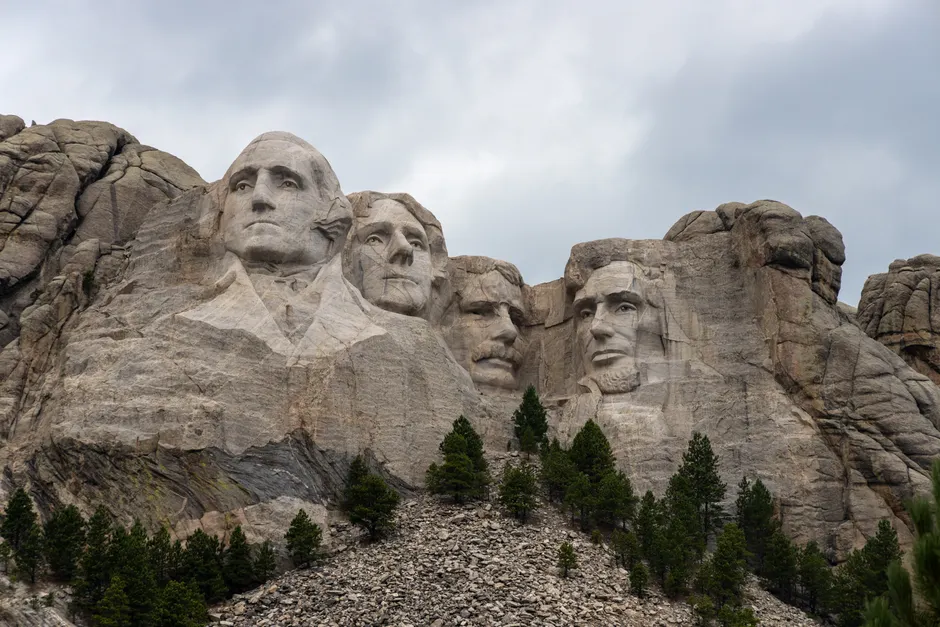
Donald Trump delivered remarks at Mount Rushmore on July 3, 2026, the eve of the United States' 250th anniversary, blending ceremonial patriotism with a pointed ideological offensive ahead of the November midterms — framing democratic socialists as the gravest threat to the republic since its founding.
Opening with "Tomorrow, we mark 250 years of glorious independence and 250 years of majestic American freedom. Nothing like it," according to ABC News, Trump quickly pivoted from commemoration to confrontation. The address — part of the White House's "Freedom 250" centennial series — cast communism as existential and his domestic opponents as its carriers. Trump pledged that "the citizens of the United States of America will vanquish communism quickly," called it "the enemy of the Constitution," and warned of a "communist menace" at home. He then directly linked that framing to immigration, suggesting that left-wing political figures and certain undocumented arrivals should be expelled from the country, per Al Jazeera.
The proximate political trigger is visible in the timing. Progressive candidates had recently won primaries in New York, Colorado, and Texas — a structural shift in the Democratic caucus that has handed Trump a rhetorical gift. Labeling democratic socialists "the greatest threat to our country since its founding" and comparing their potential impact to World War II and September 11 tracks with a strategy designed to consolidate the Republican base around an existential frame before competitive general-election contests in the fall. The New York Times characterized the address as veering from patriotism to partisan branding, and described it as "a warm-up."
The foreign-policy passages were equally combative. Trump claimed the US "beat Venezuela in one day" and "knocked the hell out of Iran," and said Tehran is "dying to settle." He noted Washington granted "a week off for a funeral because we're nice" — a reference to the state funeral of Supreme Leader Ali Khamenei, who was killed in a strike on the first day of the US-Israeli military campaign against Iran, according to Al Jazeera. Vice President Vance has separately said the US is in a "great position" with Iran and has accomplished its "core mission," per the White House Wire. Both statements land against a backdrop of voter anxiety over inflation and elevated energy prices the administration itself attributes to the Iran conflict — a tension the speech did not resolve so much as reframe as victory.
Reactions from political operatives split predictably, but the language each chose is instructive. Republican strategist Eli Bremer told Al Jazeera that parts of the address "could have been delivered by Ronald Reagan 45 years ago" — an appeal to continuity and mainstream conservative legitimacy. Democratic strategist Ameshia Cross offered a sharper read: the speech reflected "a president who sees his grip on America steadily slipping away." Cross specifically noted it followed Trump's loss at the Supreme Court on birthright citizenship by roughly two days — the court upheld the Fourteenth Amendment protection in a decision around July 1, 2026, blocking a central pillar of his immigration agenda.
The counter-programming was deliberate and symbolic. New York City Mayor Zohran Mamdani held a naturalization ceremony on the same day using a desk once belonging to George Washington, explicitly framing immigrants' contributions as the authentic story of the anniversary. The juxtaposition — Mount Rushmore versus a Washington desk in a city hall — encapsulates the competing visions of national identity that will define the midterm cycle.
The deeper structural question is whether the rhetorical frame — communism, deportation, civilizational threat — travels beyond the existing base. Trump closed by calling the 250th anniversary "the beginning of the golden age of America," claiming a mandate of renewal. Whether that framing coheres for voters contending with persistent inflation and the costs of an ongoing military engagement with Iran is the operative variable between now and November.


