China Fires Submarine-Launched Ballistic Missile Into the Pacific in Rare Public Test
China Fires Submarine-Launched Ballistic Missile Into the Pacific in Rare Public Test
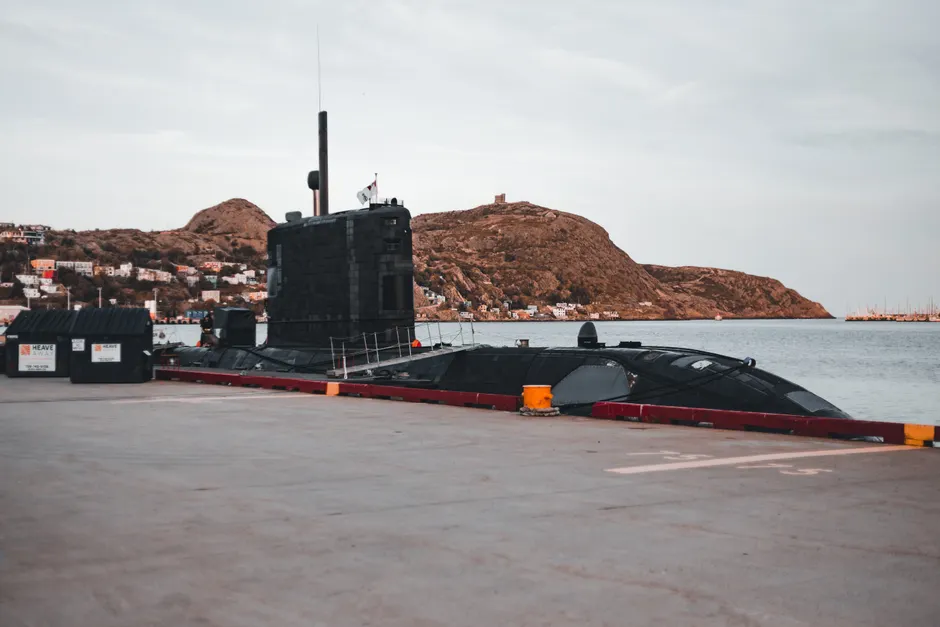
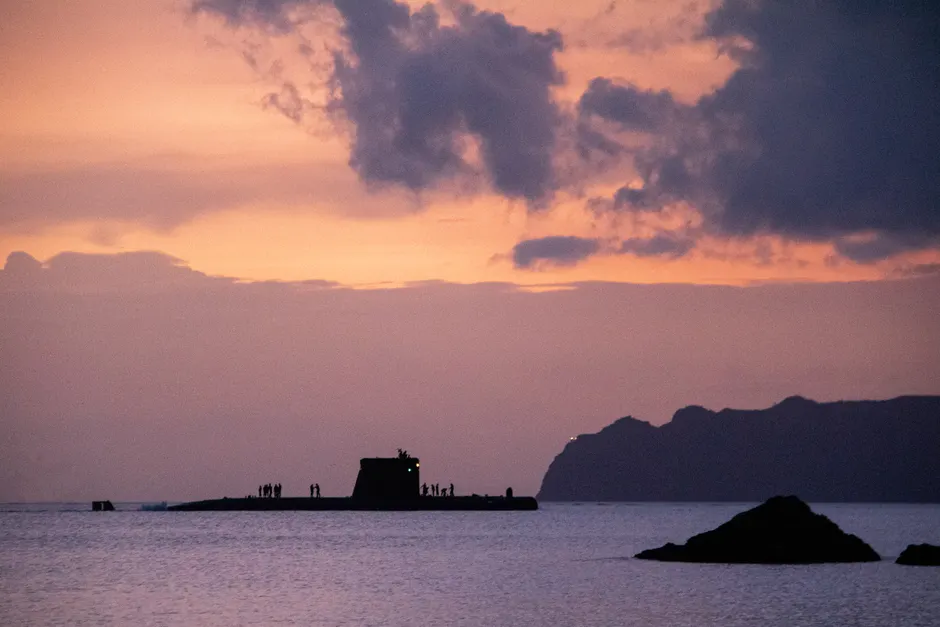
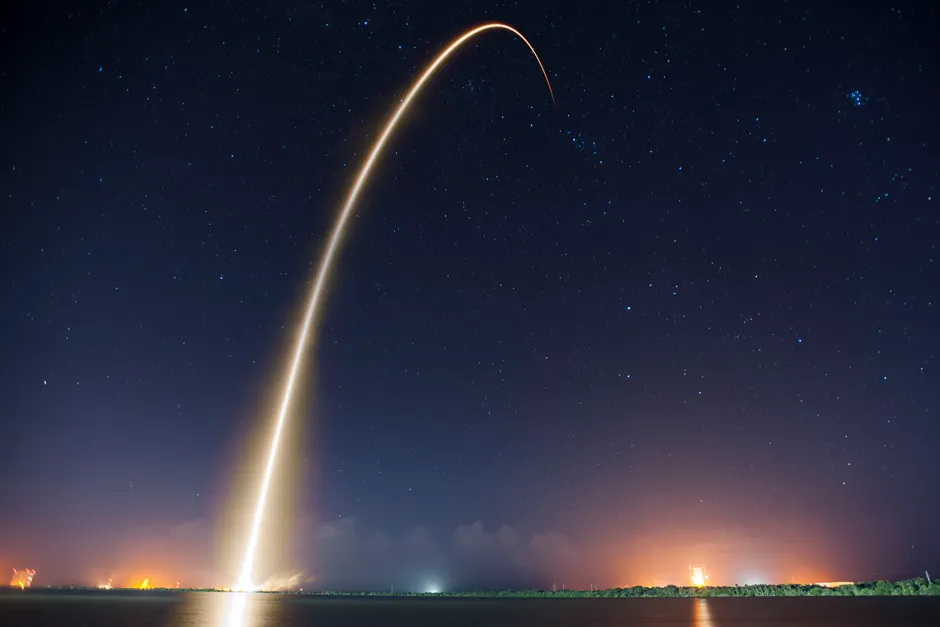
The PLA Navy launched a submarine-launched ballistic missile (SLBM) from a strategic nuclear submarine into international waters of the Pacific Ocean on July 6, 2026, at 12:01 Beijing time, according to Xinhua News Agency. The missile carried a training simulation warhead. The announcement, bylined to reporters Yu Xiaoquan and Sun Fei and datelined Beijing, was published the same day — an unusually prompt public acknowledgment of a strategic nuclear delivery system test.
China's announcement of the test at all is worth noting. Beijing has historically kept its nuclear weapons program opaque, rarely confirming individual SLBM tests and almost never on the same day they occur. The PLA's Type 094 Jin-class submarines carry the JL-2 SLBM; the more capable Type 096 and its associated JL-3 have been the subject of sustained reporting and some official acknowledgment in recent years. Xinhua did not specify the submarine class or missile variant involved.
The use of a training simulation warhead — essentially a mass-and-dimension replica carrying instrumentation rather than a live reentry vehicle — is standard practice for operational certification tests. It allows full-envelope trajectory evaluation without requiring a live nuclear payload. The distinction matters for treaty monitoring purposes: such tests are distinguishable from live warhead delivery trials, though both validate the delivery system's reliability and crew proficiency.
The Pacific as a test range for Chinese SLBMs is not new. China has fired JL-series missiles into the Pacific on prior occasions, and the vast expanse of international waters provides the downrange instrumentation corridors and impact zones that a full-range test demands. What changes the calculus of any given test is its timing and the diplomatic atmosphere in which it lands.
Looking at what this means strategically: China's sea-based nuclear deterrent has been a central preoccupation for U.S. Indo-Pacific Command and allied intelligence services for the better part of a decade. The PLA Navy has been expanding its SSBN fleet — the hull-count and patrol tempo of the Jin-class boats have both increased — as part of a broader effort to establish a credible second-strike capability that does not depend solely on land-based ICBMs. A publicly acknowledged SLBM test, timed and announced with apparent deliberateness, sends a calibrated signal to multiple audiences simultaneously: adversaries, alliance partners watching Washington's reaction, and domestic constituencies.
The public announcement is itself a form of strategic communication. Unlike the opacity that has surrounded most of China's nuclear modernization, a same-day Xinhua release with named reporters is closer to the declaratory signaling that the United States and Russia have long used around their own strategic exercises. Whether this reflects a deliberate doctrinal shift toward greater transparency — as an implicit deterrence message — or is a one-off decision tied to specific geopolitical conditions, the official record does not say.
No reaction from the U.S. Department of Defense, Indo-Pacific Command, or allied governments had been published by the time of writing. The test will almost certainly be assessed through the lens of current Taiwan Strait tensions, U.S.-China competition over regional force posture, and the broader context of Chinese nuclear expansion that the Pentagon has been tracking in successive annual reports to Congress. How Washington and allied capitals respond — whether with formal demarches, quiet diplomatic channels, or public statements — will itself be a data point about where each party judges the current temperature of the relationship.