China's Pacific Missile Test Draws US, Australian Objections Over Notice
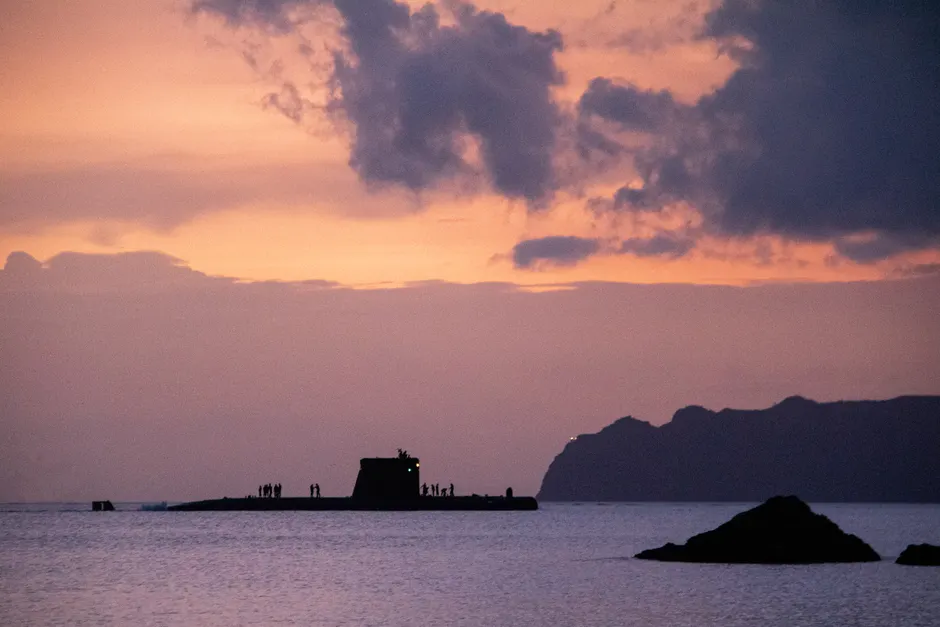
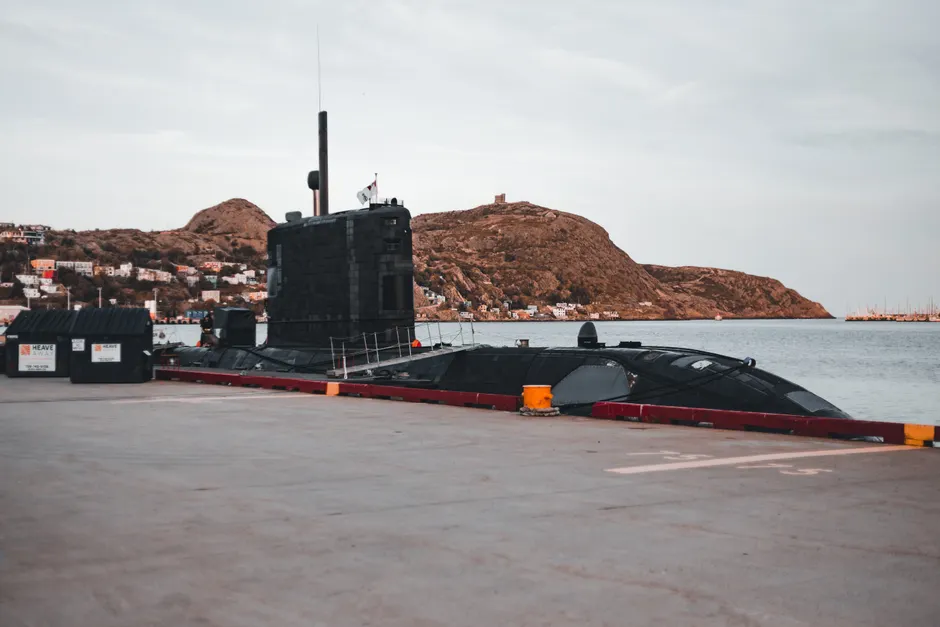
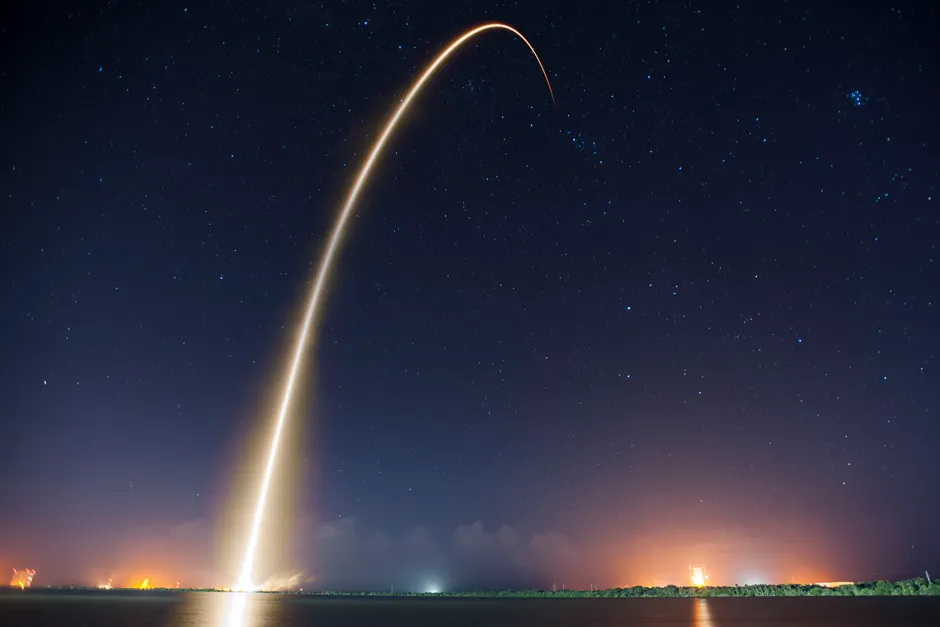
China's test-firing of a nuclear-capable ballistic missile into the Pacific on Monday has drawn formal objections from Washington and Canberra, both of which say Beijing failed to meet its international notification obligations. Xinhua reported the missile was launched from a strategic nuclear submarine of the Chinese navy and carried a dummy warhead, part of what Beijing calls routine annual military training The Guardian.
Reuters had reported ahead of the launch, citing Australian media, that China was preparing to fire the missile within 24 hours Reuters. The launch itself followed on July 6, with Reuters confirming the missile was fired from a nuclear-powered submarine into the Pacific, alarming regional governments Reuters.
The PLA Navy said the missile landed precisely within designated waters but declined to specify a location. Taiwan's National Security Council secretary-general Joseph Wu filled that gap with a published flight-path map showing the missile travelling south-east from China, over the Philippines, past Micronesia and Palau, and splashing down south of Nauru. Wu called the test "a provocation that destabilizes the Indo-Pacific" and said it proved China "a bully on the block" The Guardian.
At the July 6 Ministry of Foreign Affairs press conference in Beijing, spokesperson Mao Ning fielded a question from Japan's NHK on the test and told reporters the launch was a normal part of annual training arrangements, not aimed at any specific country or target. She said relevant countries had been notified in advance and urged critics to "not over-interpret" the exercise MFA transcript.
That characterization of adequate notice is where the dispute concentrates. A US State Department spokesman called on China to commit to a regularized notification arrangement covering all intercontinental-range ballistic missile and space launches going forward, rather than ad hoc warnings issued shortly before a test window opens The Guardian.
Australia's response has been the most detailed among affected governments. Cabinet minister Pat Conroy rejected Beijing's claim that the launch complied with international law, calling it a "destabilising event" that drew criticism from countries across the Pacific and Asia. Conroy said the test was inconsistent with the Hague Convention framework governing ballistic missile testing, which he said requires more advance notice and fuller technical disclosure than China provided. He confirmed China gave only hours of notice before firing. Foreign Minister Penny Wong and Deputy Prime Minister Richard Marles had publicly confirmed China's warning only a short time before the launch actually occurred, leaving little room for regional states to plan around the closure of test waters.
Wong, speaking at a doorstop in Suva, Fiji, framed the test as part of "a rapid military build-up by China" Penny Wong transcript. She later gave a fuller account to ABC's 7.30 program, hosted by Sarah Ferguson, addressing China's announcement of the test in more detail Penny Wong ABC transcript. Marles, in a Today Show interview the morning after the launch, sought to calibrate the threat assessment: he said the test was "not particularly close" to Australia but was nonetheless nuclear-capable, submarine-launched, and demonstrated a much greater range for China in deploying a nuclear weapon than previously exercised in public view Richard Marles transcript. A day earlier, at a doorstop in Nowra, Defence ministers had already been fielding questions about the reported plans for the dummy-warhead test before it took place Defence doorstop Nowra.
The legal argument turns on notification norms that predate any binding universal treaty specifically for ballistic missile tests. The Hague Code of Conduct against Ballistic Missile Proliferation, which Conroy invoked, is a voluntary instrument — not all states with long-range missile programs, including China, are signatories, which is precisely why Washington's ask is for a "regularized" arrangement rather than an appeal to an existing obligation China has already accepted. That distinction matters for how much diplomatic weight the criticism can carry: Beijing can, and does, argue it met whatever informal notice channels it recognizes as sufficient, while Canberra and Washington argue the practical effect — a submarine-launched strategic missile flying thousands of kilometers through crowded Pacific air and sea lanes with only hours of public warning — falls short of the transparency norms other nuclear powers observe for tests of this class.
The test's trajectory, if Wu's map is accurate, put the missile's path near or over the exclusive economic zones of the Philippines, Micronesia, Palau and waters close to Nauru — states with limited independent means to track or object to such transits in real time. That geography is likely why criticism radiated so quickly from smaller Pacific and Southeast Asian capitals as well as from Washington and Canberra. Beijing's insistence that the test was routine and not targeted at any country sits uneasily alongside the diplomatic reality that a strategic-range, nuclear-capable launch through a densely populated maritime region will be read by neighbors as a signal regardless of stated intent, particularly given the timing relative to Wong's own characterization of an accelerating Chinese military buildup.