China's Submarine-Launched Ballistic Missile Test Rattles Pacific Neighbors
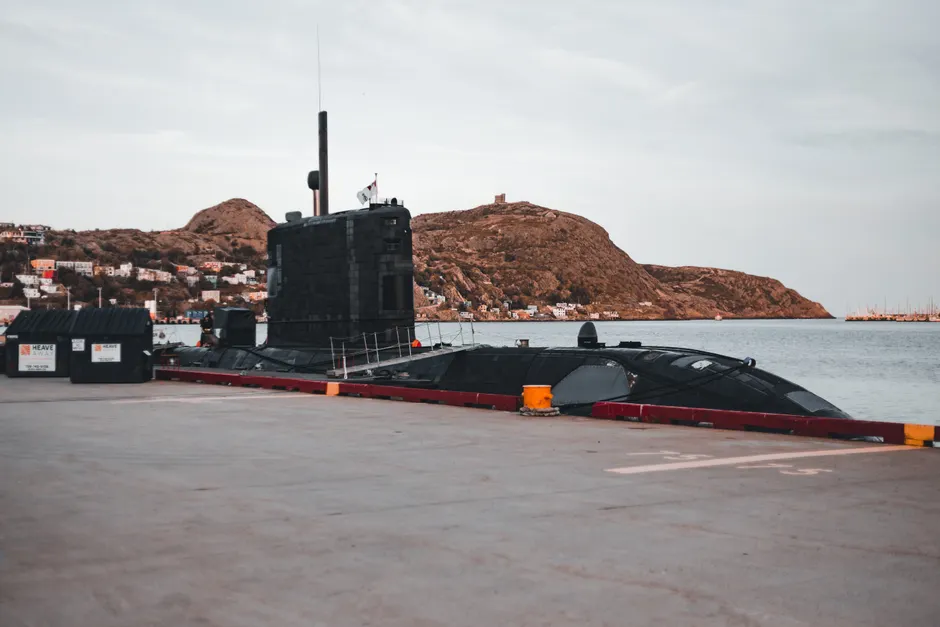
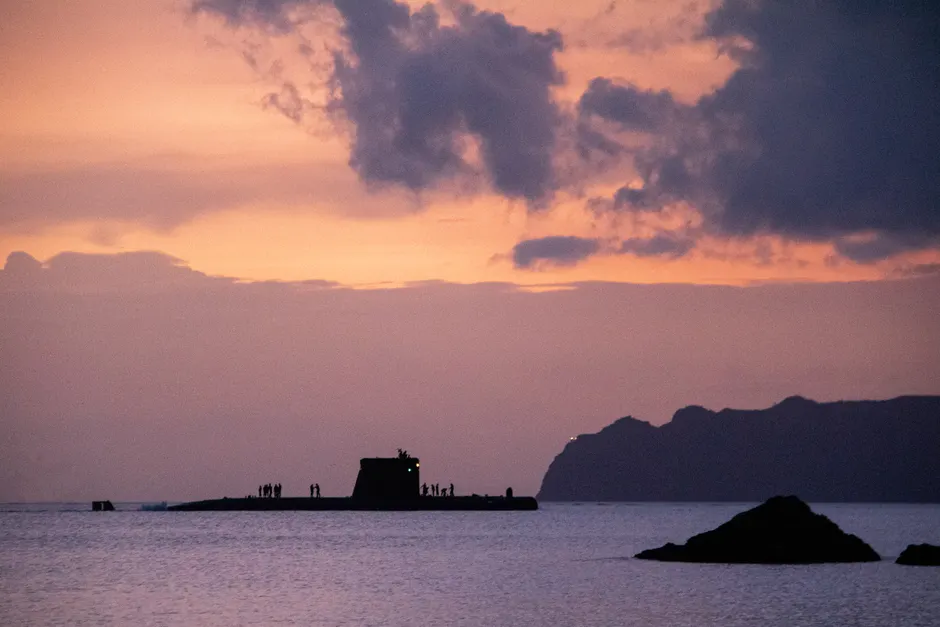
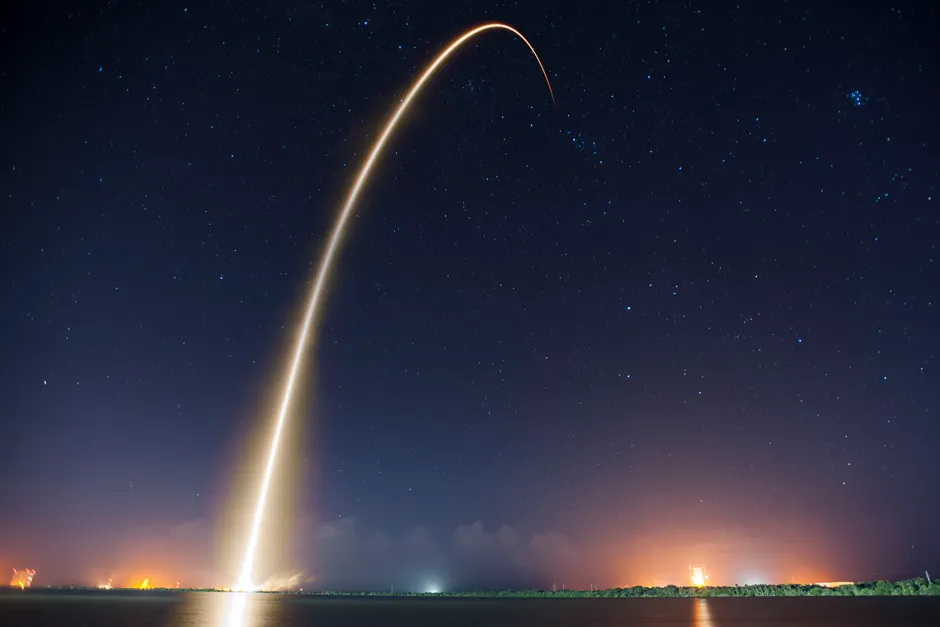
China's Ministry of National Defense confirmed that the PLA Navy conducted a test launch of a strategic missile from a submarine on Monday, according to an article published on the ministry's English-language website eng.mod.gov.cn. The launch, carried out at 12:01pm from a nuclear-powered submarine in the South China Sea, sent a submarine-launched ballistic missile (SLBM) carrying a dummy warhead into the South Pacific France 24 USNI News. Xinhua News Agency issued the official public announcement.
The Ministry of National Defense's characterization of the weapon as a "strategic missile" is consistent with Beijing's standard nomenclature for nuclear-capable systems; NBC News reported the missile tested was indeed nuclear-capable NBC News. Reuters noted that Australian media had reported China was preparing the test within the 24 hours before it occurred, suggesting some degree of advance notice circulated through regional defense and intelligence channels even if the precise launch window was not broadly disclosed Reuters.
The timing places the launch alongside the opening of "Joint Sea-2026," the annual China-Russia naval exercise that began in the eastern port of Qingdao, according to CBS News CBS News, a sequencing also noted by USNI News. Whether the SLBM test was formally folded into Joint Sea-2026 or run as a parallel strategic-forces exercise is not established in current reporting, but the overlap in dates puts a bilateral naval drill and a unilateral strategic-missile demonstration on the same calendar week.
The New York Times reported the launch occurred "overnight in the Pacific" and noted it came as Australia was concurrently finalizing additional defense agreements with Pacific Island nations New York Times. That juxtaposition is now shaping the diplomatic response. Australia and the Solomon Islands issued a joint statement on July 7 criticizing the test, and Reuters reported Canberra has pledged stronger security ties with Honiara amid what it described as concerns over Chinese activity in the region Reuters. Reuters separately reported that the test drew criticism from multiple regional powers, not Canberra alone Reuters.
The Guardian's accounting places this launch as China's second publicly acknowledged long-range missile test into the Pacific in under two years The Guardian — a frequency that, for a country historically opaque about strategic-forces testing, is itself a data point analysts will weigh against China's broader nuclear modernization trajectory, including expansion of its SLBM-capable Type 094/096 submarine fleet and land-based silo construction documented by outside observers in recent years.
Why Beijing chose to publicize this test, rather than conduct it quietly as it has with the bulk of its strategic-missile activity, is the more consequential question for regional capitals than the launch itself. A test into international waters with advance notice — however brief — reads differently than a clandestine one; it signals a deliberate demonstration of capability and reach rather than routine force development hidden from view. Coming during a period when Washington's Pacific allies are actively courting Pacific Island states with their own security offers, the optics invite reading as leverage, even absent an explicit linkage in Chinese statements.
The reaction from Canberra and Honiara is notable less for its content than for its speed and joint framing. A one-day turnaround from launch to a coordinated bilateral statement suggests both governments had contingency messaging ready, likely informed by the same pre-launch reporting that Reuters cited from Australian media. That readiness itself indicates the test was neither a surprise to regional intelligence services nor treated as a minor technical footnote.
Longer term, the test adds another data point to the debate over China's second-strike posture and the credibility of its sea-based deterrent. A live-fire SLBM launch with a dummy warhead, rather than a silo-based ICBM test, specifically exercises the survivable leg of the triad — submarines at sea, difficult to target preemptively. Regional defense planners will likely fold this event into ongoing assessments of Chinese undersea capability alongside the parallel signal sent by the concurrent Joint Sea-2026 drills with Russia, which together sketch a broader pattern of simultaneous strategic and conventional signaling in the Indo-Pacific this week.