Samsung Guides to 19-Fold Profit Jump; Shares Sink 10% as Hormuz Attacks Escalate
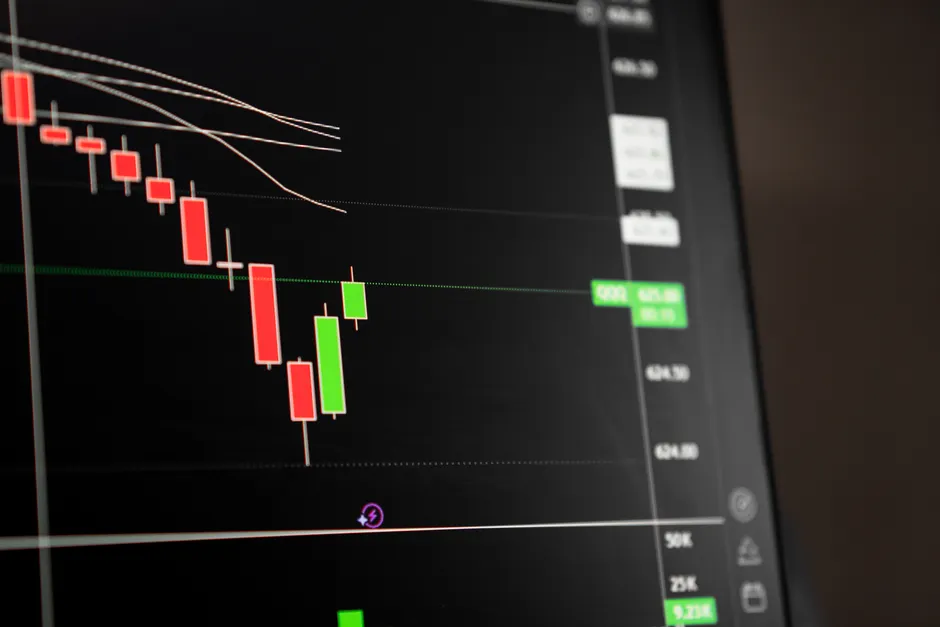
Samsung Electronics shares fell as much as 10% on July 7, 2026, even after the company guided to a roughly 19-fold year-on-year jump in second-quarter operating profit, beating market expectations Reuters. Stock opened at 309,000 won, down 2.83% from the prior close, then fell below 290,000 won intraday Chosun. The disconnect between blowout guidance and a double-digit selloff is the story here, and it says as much about positioning and macro risk appetite as it does about Samsung's memory business.
The earnings guidance itself is unambiguous. A 19-fold rise in operating profit from a depressed year-ago base points to a sharp recovery in DRAM and NAND pricing, consistent with the memory upcycle narrative that has driven semiconductor names broadly over the past several quarters. Samsung's pre-earnings guidance disclosures followed its usual investor-relations cadence — a first-quarter guidance release on April 7, 2026, alongside a decision on share cancellation the same day, and a formal notice of the second-quarter earnings release schedule on April 24, 2026 Samsung IR. None of that process was unusual. What was unusual was the market's reaction to numbers that, on their face, beat expectations.
Reuters attributed the share slide to concerns over AI-related stocks broadly, not to anything specific in Samsung's own guidance Reuters. That framing matters for how traders should read the move. A beat-and-sell-off pattern typically signals that expectations, or positioning, had already run ahead of even a strong print — sell-the-news dynamics are common after a sustained re-rating, particularly in a stock that trades as a proxy for global AI-driven memory demand. Whether this is profit-taking after a run, a repricing of the AI capex cycle's durability, or something more idiosyncratic to Samsung's cost structure and yields isn't resolved by the guidance release alone, and the company has not yet reported full detailed segment results.
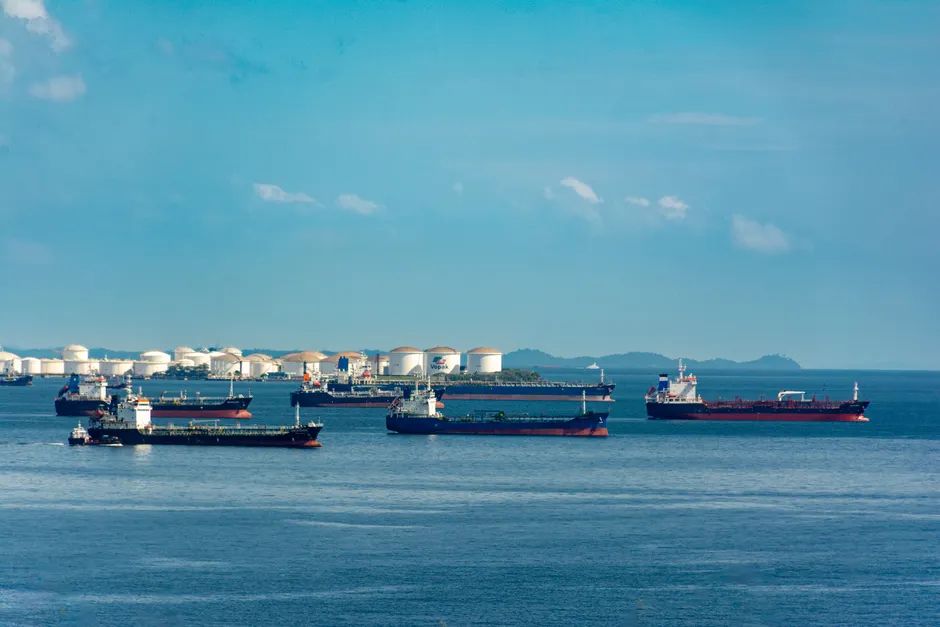
The selloff also lands on a day when broader risk sentiment has another, unrelated pressure point: escalating tanker attacks in the Strait of Hormuz. Iran's Revolutionary Guards fired at least two missiles at commercial ships transiting the strait overnight, including a Qatari gas tanker, according to Axios and WSJ reporting Times of Israel. UKMTO confirmed a tanker traveling off the coast of Oman caught fire early Tuesday after being struck by a projectile NBC News. Multiple outlets corroborated the same incident SCMP CNN.
This is not an isolated incident. UKMTO's Warning #55, issued May 5, 2026, reported a cargo vessel struck by an unknown projectile in the strait UKMTO. WSJ's live markets coverage on June 15, 2026, noted crude futures trading near pre-war levels while resisting further declines, with traders unconvinced that Hormuz traffic would normalize soon WSJ. By June 25, Brent crude futures settled higher on reports of an Iranian attack on a cargo ship in the strait WSJ. The pattern across May, June, and now early July is one of recurring strikes rather than a single shock, and each incident has kept a geopolitical premium embedded in oil pricing even as headline crude levels have drifted back toward pre-war ranges.
For traders and portfolio managers, the two stories intersect only at the level of risk sentiment, not fundamentals. Samsung's guidance is a company-specific data point about memory pricing and AI-linked semiconductor demand; the Hormuz attacks are a supply-side energy and shipping-insurance risk that touches tanker rates, crude benchmarks, and regional equity flows. But on a day when both hit simultaneously, the combination tends to compress risk appetite across Asian equities generally, and Samsung — as the largest constituent on the KOSPI and a bellwether for the memory cycle — absorbs outsized selling regardless of its own numbers.
The open question for markets is durability. Strait of Hormuz disruptions have not, over the prior two months, produced a sustained crude price breakout, which suggests markets are pricing continued harassment-level risk rather than a full closure scenario. Whether that calculus holds after a Qatari-flagged gas tanker was targeted — a strike with direct LNG supply-chain implications — is the kind of question that oil desks will be running scenario analysis on this week, distinct from any semiconductor-specific repricing in Seoul.