Gold Eases as Oil Rallies on Middle East Risk, Traders Await Fed Minutes

Gold edged lower on July 7, 2026, even as escalating Middle East tensions pushed oil prices higher, with investors positioning ahead of the release of Federal Reserve meeting minutes for guidance on the path of policy Reuters.
The divergence is the notable part. Historically, geopolitical risk premia lift both crude and bullion in tandem — oil on supply-disruption fears, gold on safe-haven demand. This time the correlation broke down, at least for a session, with gold softening while oil found a bid. That split points to a market more focused on rate expectations than on tail-risk hedging for gold specifically, even as the underlying conflict backdrop remains unresolved.
That backdrop has been anything but stable since the spring. Gold's 2026 has effectively been a running proxy for the Israel-Iran-Hezbollah conflict cycle, oscillating between safe-haven spikes and rate-driven drawdowns depending on which force dominated sentiment that week.
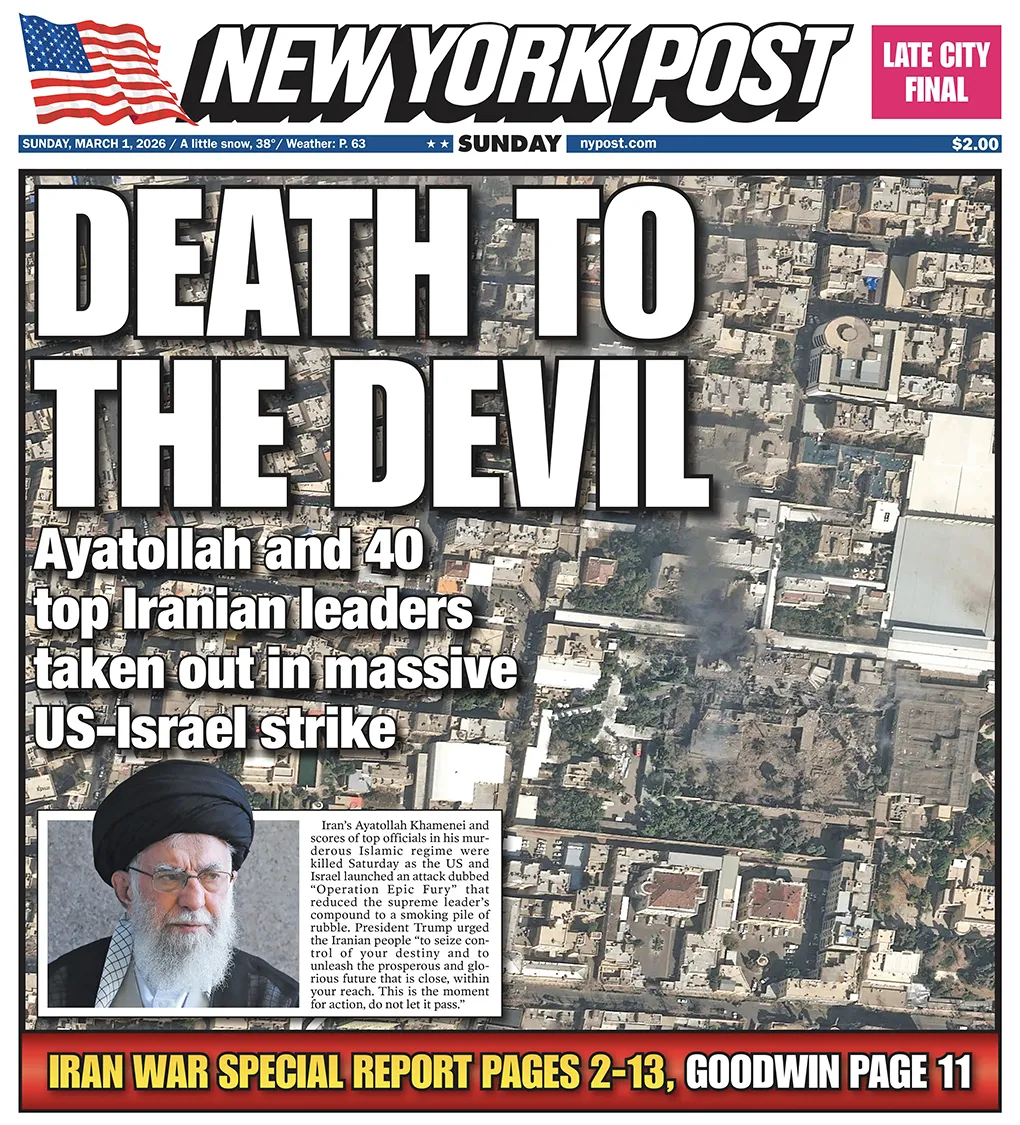
Go back to early March. On March 1, gold climbed as the Middle East war drove a rush to safety, though the rally was capped as traders weighed the prospect of the Fed raising rates to tame inflation Bloomberg. By March 2, gold had slumped more than 6% from recent highs, weighed down by a stronger dollar and diminished expectations for monetary easing Bloomberg. The metal then reversed again — up over 1% on March 4 as US-Israeli strikes on Iran fueled fresh safe-haven demand Reuters, and higher still on March 5 as the conflict widened CNBC. By March 23, the pendulum swung back the other way: spot gold fell 1.8% to $4,407.06/oz, posting its worst weekly performance as Middle East tensions stoked inflation fears rather than safe-haven flows Reuters.
The pattern repeated through June with a sharper amplitude. On June 7, Hezbollah launched a rocket attack on northern Israel that threatened to unravel the standing ceasefire; Israel responded with strikes of its own ISW. The same day, Israel and Iran traded their worst exchange of strikes in months before Israel halted its attacks CNN. Against that backdrop, spot gold on June 11 jumped 2% to $4,153.71/oz — after touching its lowest level since late November earlier in the session — on rate-hike concerns layered atop the conflict Reuters. A day earlier, on June 8, Israel and Iran had agreed to end missile strikes, and gold and silver extended declines as attention rotated toward prolonged energy-market tightness rather than immediate safe-haven demand Bloomberg.
The de-escalation proved fragile. By late June, Iran was threatening a complete halt to negotiations after trading strikes with the United States CBS News. Washington and Tehran then agreed on June 29 to stop attacking each other following that tit-for-tat exchange, and gold fell on the news even as the same tensions had been fanning inflation concerns just days prior Bloomberg.
For desks pricing gold, the operative signal has shifted from headline risk to rates risk. Each ceasefire announcement this year has tended to compress the safe-haven bid faster than the underlying conflict risk has actually receded, which is why gold has repeatedly given back gains on de-escalation headlines even as strait-of-hormuz-adjacent energy risk persists in the background. The oil-gold decoupling seen on July 7 fits that same logic: crude carries the marginal geopolitical premium now, while gold trades primarily off the rates complex.
That makes the Fed minutes the more consequential near-term catalyst than any single Middle East headline. Markets are parsing the committee's language for clues on the timing and pace of further policy moves, and gold's rate sensitivity has been evident all year — visible in the sharp reversals around both the March and June episodes, where rate-hike concerns repeatedly capped or reversed safe-haven rallies within the same trading week. Real yields, not just headline risk, remain the dominant driver of bullion positioning into the second half of 2026.
The broader read for portfolio managers is that gold's hedge properties against this specific conflict have become less reliable than the historical playbook would suggest, given how quickly rate repricing has overridden geopolitical flows in three separate episodes since March. That doesn't make gold a worse asset — it makes the timing of any safe-haven allocation considerably more sensitive to the Fed calendar than to the ceasefire calendar.