Dumb Co's $20 Flip Phone Doesn't Replace Your Smartphone — It Syncs to It
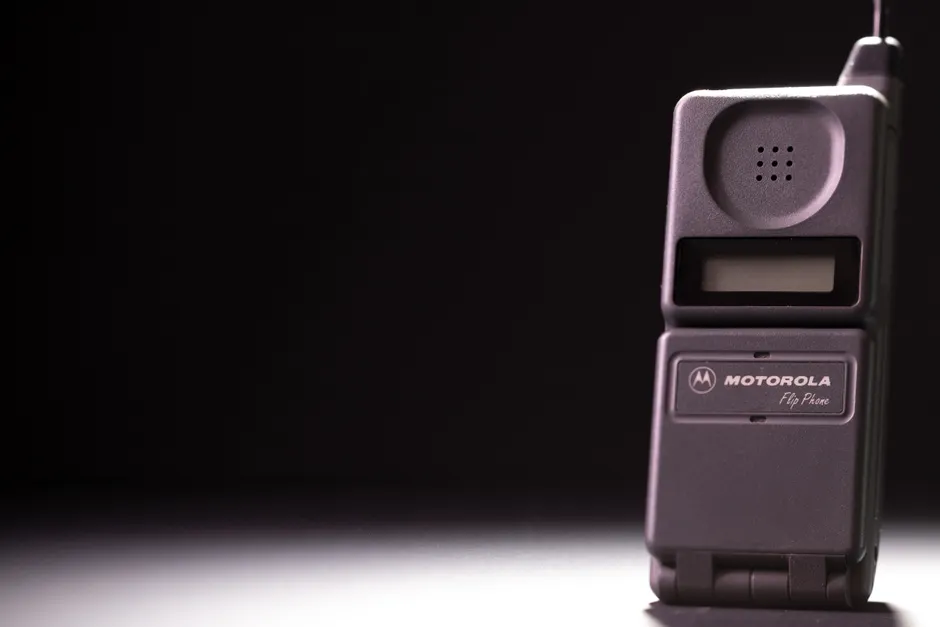
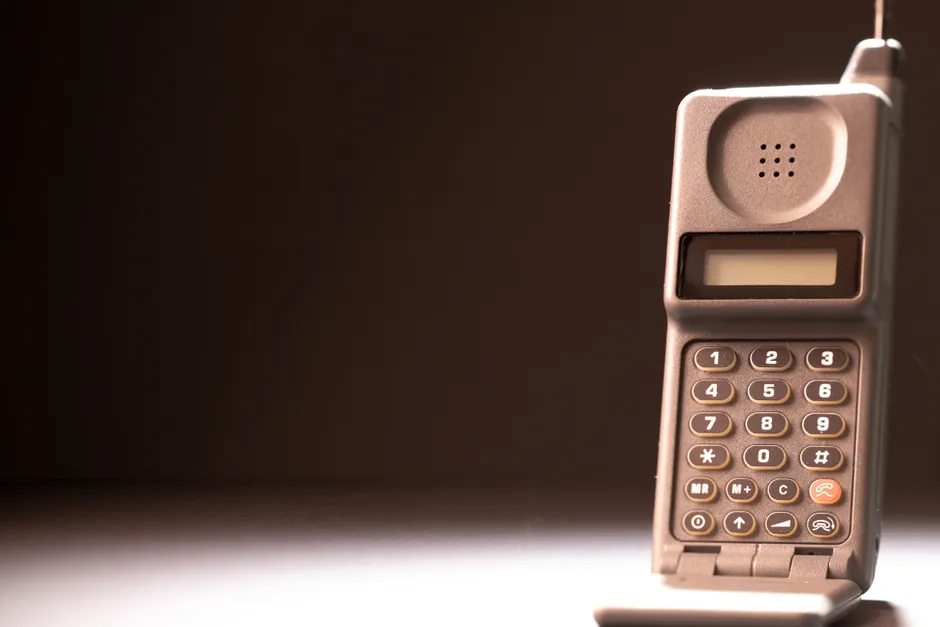
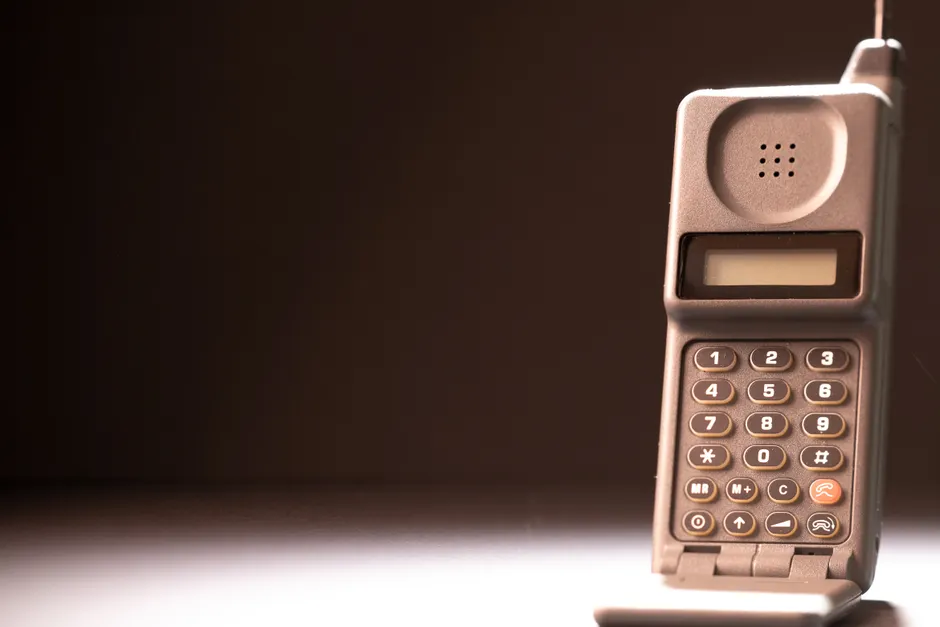
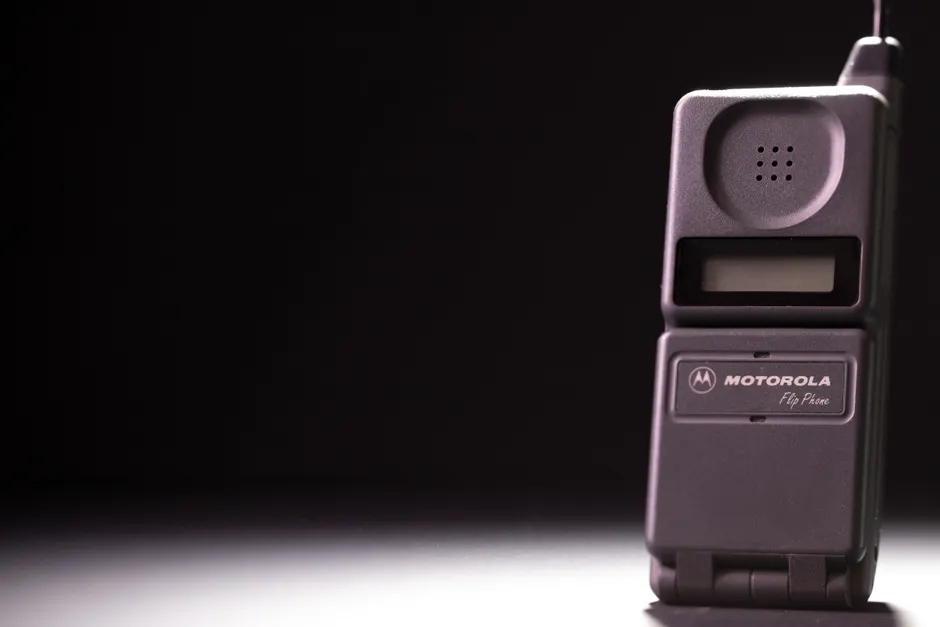
Dumb Co sells a $20 flip phone built to keep smartphone users tethered to a smaller number of apps rather than cut them off entirely. The device, officially named "dumbphone 2" (stylized lowercase) on the company's site, runs on a $20 TCL flip phone shell fitted with Dumb Co's own custom software, and it syncs to the user's existing smartphone instead of replacing it TechCrunch.
That sync relationship is the product's defining feature. Rather than positioning the flip phone as a clean break from always-on connectivity, Dumb Co designed the dumbphone 2 to carry forward the apps its target users are least willing to lose: WhatsApp, Spotify, Apple Music, and Uber all run natively, while iMessage is accessible through a third-party application layered on top TechCrunch. The device also includes a maps feature, according to Dumb Co's own site. Call and text forwarding are built in and can be toggled off, giving users a mechanism to route communications back to the phone number without carrying the smartphone itself dumb.co.
A TechCrunch reporter tested the dumbphone 2 for over a month, keeping an iPhone on hand for emergencies throughout the trial TechCrunch. That framing — a smartphone kept in reserve rather than discarded — is consistent with how Dumb Co markets the product: not as digital abstinence but as a managed downgrade, one that preserves the handful of services deemed indispensable while stripping out the rest of the smartphone's surface area.
Dumb Co was founded in Washington, DC, in 2025 and grew directly out of Month Offline, a community challenge in which participants trade smartphones for flip phones for 30 days dumb.co. Month Offline itself began as an informal effort among a small group of neighbors before expanding into organized cohorts; it held a phone-free Gallery Exhibition in New York City in February 2026 to mark the completion of its inaugural NYC cohort's 30 days on a flip phone artnyc.dumb.co. The community operates its own site at offline.community, distinct from Dumb Co's commercial storefront at dumb.co.
The company's leadership reflects that grassroots, community-challenge origin more than a conventional hardware startup pedigree. Lydia Peabody, Dumb Co's founding CMO, left a career as a licensed therapist to take the role TechCrunch. Afreka Ebanks serves as communications director. The broader team skews young, composed of people in their twenties and early thirties, and the company is funded by friends and family rather than institutional venture capital TechCrunch.
Dumb Co is not alone in this niche. A separate TechCrunch piece from June 24, 2026, on the screen-time device Brick names Dumb Co alongside a company called Commodore as firms that modify flip phone hardware to run apps like authenticators and WhatsApp TechCrunch. That reference situates the dumbphone 2 within a small but active category of "hacked" feature phones aimed at reducing smartphone dependency without demanding full disconnection — a category that treats the smartphone not as an enemy to be discarded but as a background utility to be rationed.
The technical premise is worth stating plainly for anyone who has priced out flip phone hardware: TCL's shell retails for roughly $20 on its own, and Dumb Co sells the finished dumbphone 2 at that same $20 retail price notebookcheck.net. The margin, such as it is, sits entirely in the software layer — the sync client, the forwarding logic, the third-party iMessage bridge — rather than in the commodity hardware underneath.
The broader context here is one this reporter has watched play out before in different clothing: a piece of legacy or minimalist hardware gets a software layer bolted on to make it tolerable for people unwilling to give up specific digital habits. Feature phones marketed purely as smartphone replacements have struggled commercially for years, in part because total abstinence rarely survives contact with modern logistics — ride-hailing, banking apps, two-factor authentication. Dumb Co's bet is that syncing rather than substituting solves that adoption problem, at the cost of diluting the digital-detox premise that drew people to Month Offline in the first place. Whether a flip phone that forwards your texts and runs Uber constitutes a meaningful reduction in smartphone dependency, or simply a smaller screen tethered to the same habits, is a question the company's own marketing does not fully resolve, and one worth watching as Dumb Co's cohort-driven growth model matures beyond friends-and-family funding.