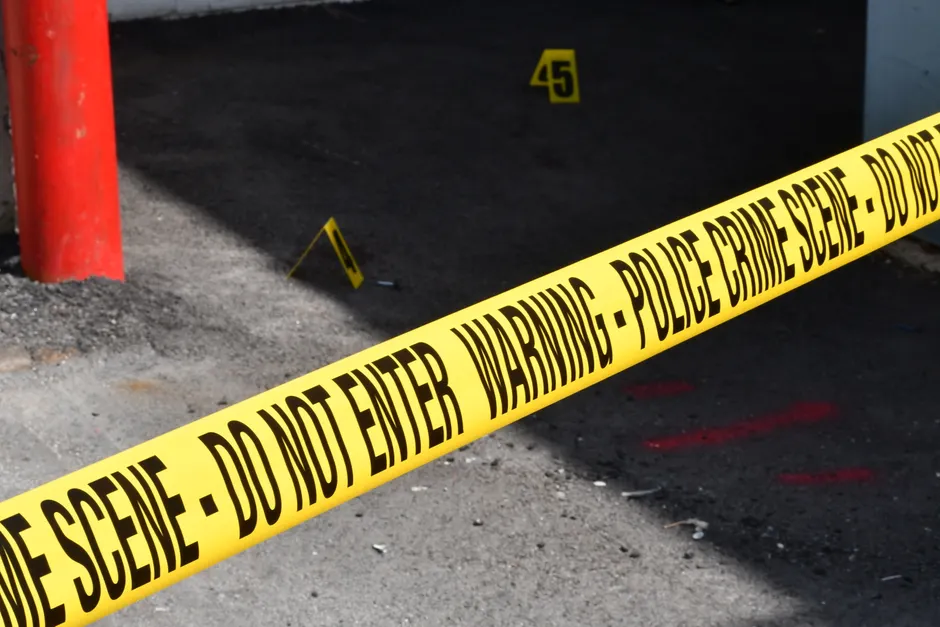
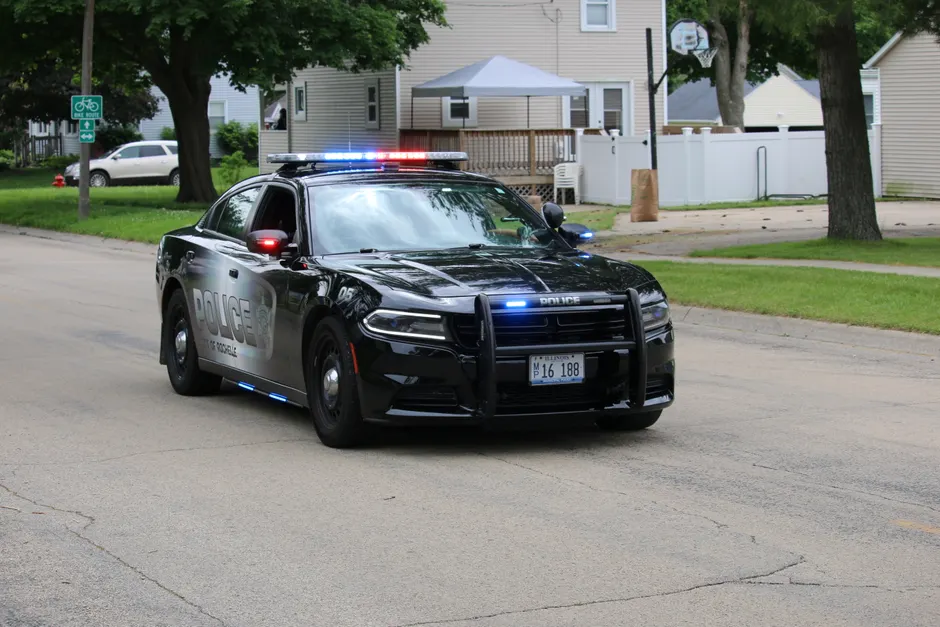
ICE to Mandate Body Cameras for Vehicle Stops Nationwide After Two Fatal Shootings

Tom Homan, the Trump administration's border czar, announced on July 19, 2026, that ICE will require its officers to record vehicle stops with at least one body camera, with a nationwide rollout expected within 60 days The Guardian. The mandate comes after two fatal ICE shootings during traffic stops in early July — neither of which produced any body-camera footage.
Speaking on Fox & Friends Weekend, Homan said body cameras "exonerate more law enforcement than they convict" and that he wants the public to see what officers saw. In a separate appearance on CBS's Face the Nation, he confirmed the cameras have been purchased and trainers are being trained to deploy them nationwide The Guardian.
The rollout was delayed by a partial government shutdown earlier in 2026, which held up funding for the equipment. ICE had previously launched a body-camera pilot program in 2024, deploying cameras to officers in five cities: Baltimore, Buffalo, Detroit, Philadelphia, and Washington DC. That pilot was implemented in compliance with Executive Order 14074, according to ICE's own historical materials ICE. ICE also published updated guidance and standards for body-worn camera use in August 2025 ICE.
The proximate pressure for the mandate is severe. On July 7, 2026, an ICE officer fatally shot Lorenzo Salgado Araujo, a Mexican national, during a traffic stop in Houston. Salgado Araujo was not the intended target of the ICE operation. Six days later, on July 13, an ICE officer killed Joan Sebastián Durán Guerrero, a Colombian driver, in Biddeford, Maine. Durán Guerrero was also not the target of an ICE operation The Guardian.
Neither shooting produced body-camera footage, leaving the circumstances of both deaths dependent on official accounts absent independent visual evidence. The back-to-back killings sparked protests in Maine, Houston, and Boston.
Homan announced a temporary suspension of most ICE vehicle stops to review procedures following the shootings. Within 24 hours, Donald Trump directed agents to resume them The Guardian. The quick reversal underscores the tension between operational caution in the wake of fatal incidents and the administration's enforcement priorities.
The broader context here is an agency whose enforcement footprint has expanded under the current administration while its accountability infrastructure remains uneven. ICE's pilot program covered only five cities. The national mandate, if implemented on the 60-day timeline Homan cited, would extend body-camera coverage to vehicle stops across the country. But the two July fatalities occurred outside the pilot's geographic scope, and the gap between policy issuance (August 2025) and nationwide deployment illustrates the implementation lag that can persist even after standards are formally updated.
The fact that both men killed were not the intended targets of ICE operations raises separate questions about the tactical conduct of traffic stops — questions that body cameras may illuminate going forward but cannot retroactively answer. Homan's framing of the cameras as primarily exonerative for officers rather than a check on misconduct is consistent with his enforcement-first posture, though it is the absence of footage in the Houston and Maine cases that has made independent assessment of those shootings impossible.
What remains unresolved is whether the 60-day timeline holds, whether the funding delays that plagued the program earlier in 2026 have been fully resolved, and how the footage will be handled once it exists — retention policies, public access protocols, and evidentiary use standards that ICE's August 2025 guidance addressed but which have not yet been tested at national scale.