Trump Declares US Will Be "Guardian" of Strait of Hormuz, Sets 20% Cargo Toll

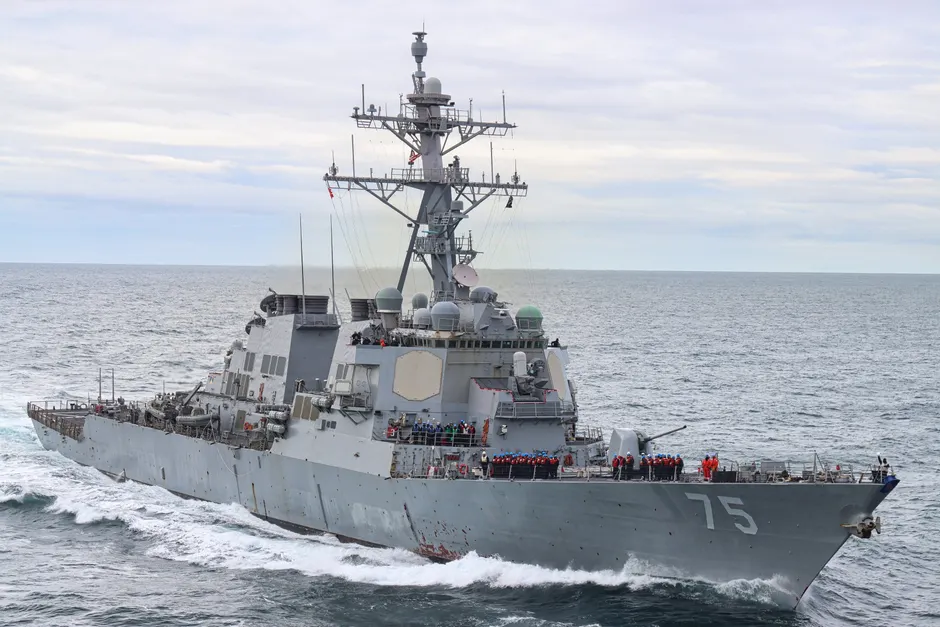
President Trump said Monday the United States will act as "the guardian of the Hormuz Strait" and collect a 20% toll on cargo shipped through the waterway, in a Truth Social post that mixed policy declaration with the all-caps emphasis that has become his signature register: "THE IRANIAN BLOCKADE," "THE GUARDIAN OF THE HORMUZ STRAIT," and "FAIRNESS" Al Jazeera. The post stated that "the process and formation will begin immediately," though it offered no detail on the legal or logistical architecture that would collect such a levy, nor which body would administer it.
Trump described the current blockade as "only stopping Iran's ships or customers from entering or leaving," a framing that distinguishes his proposed toll regime — applied to all traffic — from the narrower Iranian restriction he says is now in effect. He made the same claim in a Fox News interview aired the same day, with correspondent Trey Yingst characterizing the arrangement as the US playing "guardian angel" in the strait Fox News.
The announcement follows a volatile month for the world's most important oil chokepoint. On June 20, Trump said no tolls would apply during a 60-day ceasefire window between the US and Iran Fox News. By the next day he was already hedging, warning that tolls — or further action — could follow "if diplomacy with Iran fails" Fox News. Iran's Revolutionary Guards had declared the strait shut days earlier, on June 20 Reuters, even as Trump was separately telling reporters that ships were "flowing out" of Hormuz following the ceasefire Reuters — an early sign that the ceasefire's practical effect on shipping was contested even among US officials describing it.
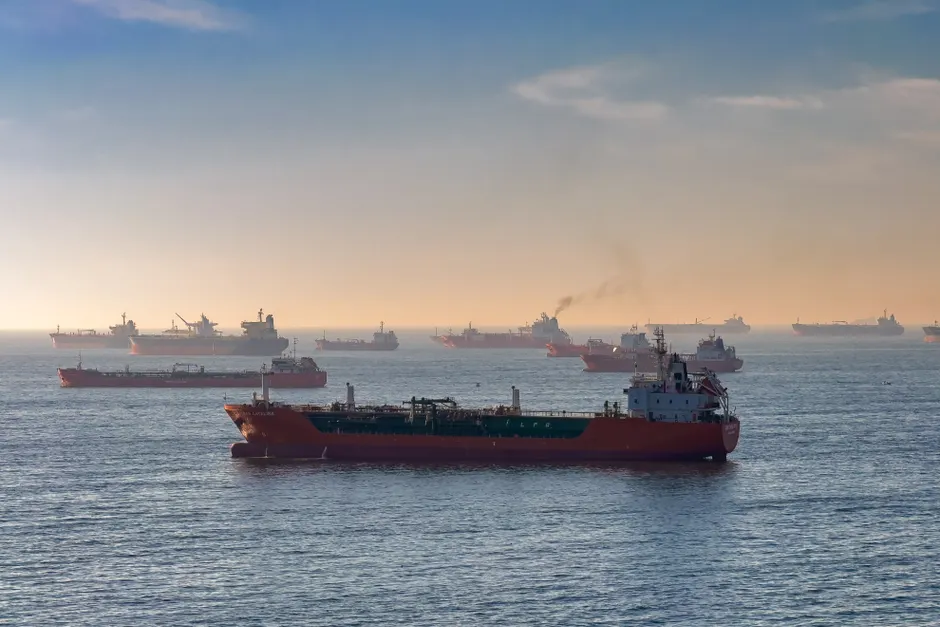
That ambiguity resolved, at least temporarily, into open conflict. The Guardian's live coverage on Monday reported that traffic through the strait plummeted after the US and Iran exchanged military strikes in July The Guardian. Trump's toll announcement lands directly on top of that collapse in transit, not alongside a functioning, ceasefire-era shipping lane.
The trajectory from mid-June to mid-July reads as a sequence of contingent positions rather than a settled policy. A no-toll pledge tied to a ceasefire gave way within a day to a conditional threat, then to competing claims about whether the strait was open or shut, and now to a unilateral declaration of guardianship paired with a fixed toll rate. Roughly 20 million barrels of oil per day transit Hormuz under normal conditions, making it the single most consequential maritime corridor for global energy pricing; any US claim to a policing role there, let alone a revenue-collection mechanism, touches producers, insurers, and consuming nations well beyond the immediate US-Iran dispute.
Unanswered questions outnumber settled ones. It is not clear whether a 20% toll would be assessed on cargo value, freight cost, or some other basis, nor whether US naval assets currently in the region have the mandate or capacity to enforce collection against non-compliant carriers. Congressional authority for such a scheme is untested; historically, transit fees or "tolls" on international straits have required either littoral-state consensus or an international convention, neither of which appears to be in place here. The Truth Social post's insistence that the blockade currently only affects "Iran's ships or customers" also sits awkwardly against the Guardian's reporting of a broader traffic collapse following direct strikes — suggesting the practical scope of restriction on the water may be wider than the administration's framing allows.
Whether "the process and formation will begin immediately" translates into an actual mechanism, or functions mainly as a signal of resolve aimed at Tehran and at oil markets, is the question traders, insurers, and regional governments will now be pricing in. Given the reversal already visible between the June 20 no-toll pledge and Monday's announcement, further recalibration in either direction should not surprise anyone watching this file closely.