Trump Reinstates Naval Blockade on Iran, Says U.S. Will Take 20% Cut of Hormuz Cargo

President Trump said on July 13, 2026, that the United States is reinstating a naval blockade on Iran and will control the Strait of Hormuz, telling reporters the U.S. would be "paid for it" through a 20% reimbursement levied on all cargo transiting the strait Reuters. The announcement came after fresh U.S. strikes on Iranian targets and air-raid sirens sounding in Bahrain, according to Reuters' live coverage of the escalation Reuters.
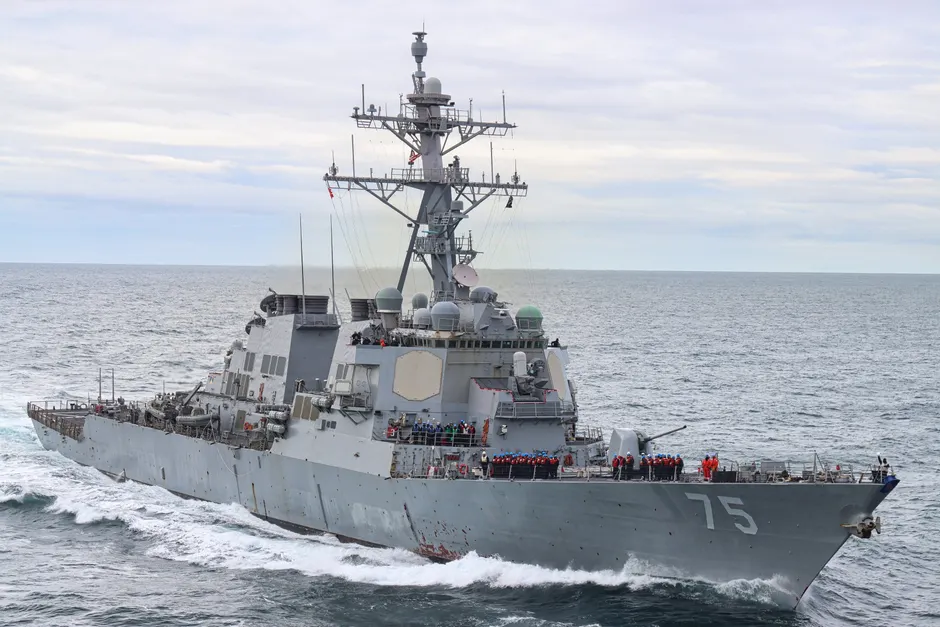
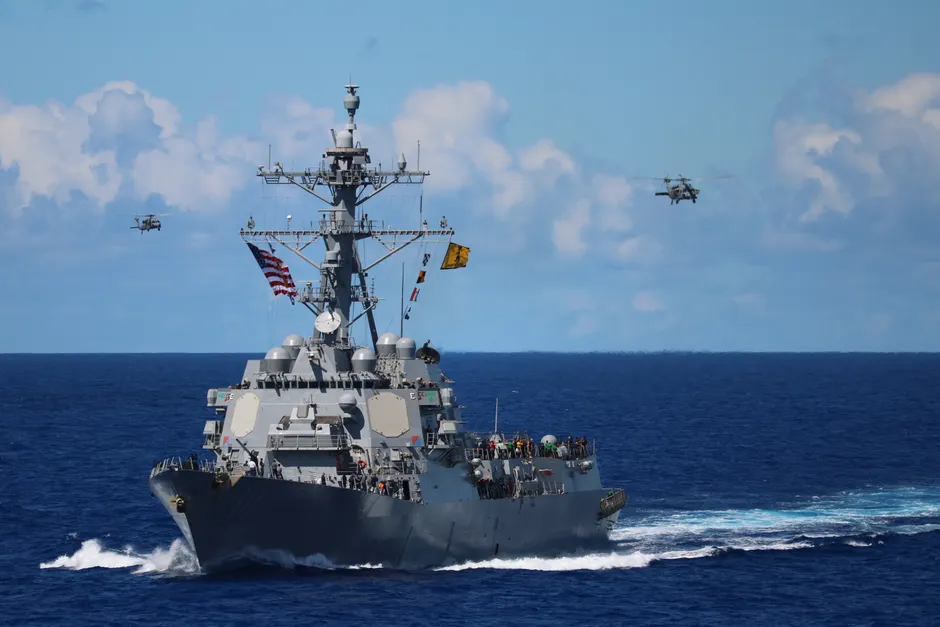
The blockade is not new in concept. Trump first ordered a naval blockade of Iranian ports on April 13, 2026, after a weekend of talks broke down, saying the U.S. military had begun intercepting vessels entering and leaving Iranian waters and the Strait of Hormuz Reuters. The White House cast that action as a response to "Iranian aggression" intended to "restore safe passage" through the strait, framing it within a broader narrative of what it called American strength delivered through energy dominance White House.
That April blockade gave way, at least on paper, to diplomacy. By June 19, the White House was publicizing an Iran agreement it said would ensure Tehran never acquires a nuclear weapon and would reopen the Strait of Hormuz to free navigation White House. The intervening weeks suggest that arrangement did not hold, or held only provisionally. On July 10, Trump said Washington had agreed to Iran's request to continue talks, even as tanker traffic through Hormuz was already slowing in the wake of renewed U.S.-Iran clashes Reuters. Within 48 hours, talks gave way to strikes, and strikes gave way to a blockade once again.
Markets registered the shift quickly. Oil prices jumped more than 3% on July 12 and were up as much as 9% to a one-month high after the U.S. signaled it would reinstate the blockade following the launch of new strikes in the Middle East Reuters. The Strait of Hormuz carries roughly a fifth of global oil consumption on any given day, so even a partial disruption to transit — or the credible threat of one — tends to move futures markets faster than diplomatic statements do.
The 20% cargo levy is the more unusual element of the July announcement. Trump's framing — that the U.S. would "control" the strait and be compensated for doing so — describes something closer to a toll regime enforced by naval power than a traditional blockade aimed solely at interdicting Iranian shipping. A classic blockade denies passage to an adversary's vessels; a monetized transit scheme, by contrast, implies continued flow of commerce under U.S. supervision, with Washington extracting a cut. Reuters did not report further operational detail on how that 20% would be assessed, collected, or from whom, nor whether it would apply only to Iran-linked cargo or to all shipping transiting the strait.
The whiplash between blockade, agreement, talks, strikes, and blockade again over a roughly three-month span complicates any clean narrative of escalation or resolution. The April blockade was pitched publicly as leverage to force Iranian concessions; the June agreement was pitched as the product of that leverage; the July reinstatement suggests either the June deal collapsed or was never fully operative on the ground. None of the sources here reconcile that gap, and the White House has not issued a release addressing the apparent contradiction between its June claim of reopened free navigation and its own president's July statement reinstating a blockade over the same waterway.
For traders and shipping insurers, the practical question is less about the diplomatic sequencing than about war-risk premiums and transit delays, both of which tend to spike faster than they retreat. Slowed tanker traffic reported on July 10, ahead of the latest strikes, indicates commercial operators had already begun hedging against exactly this outcome before Trump's July 13 statement made it official. The gap between announcement and enforcement — how a U.S. naval presence in Hormuz would practically distinguish compliant cargo from anything else, and how a foreign-flagged tanker owner would remit a 20% payment to the U.S. Treasury — remains undefined in the public record so far.
What comes next likely hinges on whether Iran treats the reinstated blockade as a negotiating pressure tactic, as it apparently did in April, or as a rupture serious enough to abandon the talks track altogether. Given that Tehran had, as of July 10, been requesting continued negotiations even as clashes intensified, a return to some form of talks cannot be ruled out. But each cycle of blockade-talks-strikes-blockade raises the cost of the next round, both in market volatility and in the credibility of any agreement that follows.