US Forces Disable Curaçao-Flagged Tanker in Strait of Hormuz as Air Defences Activate Over Tehran
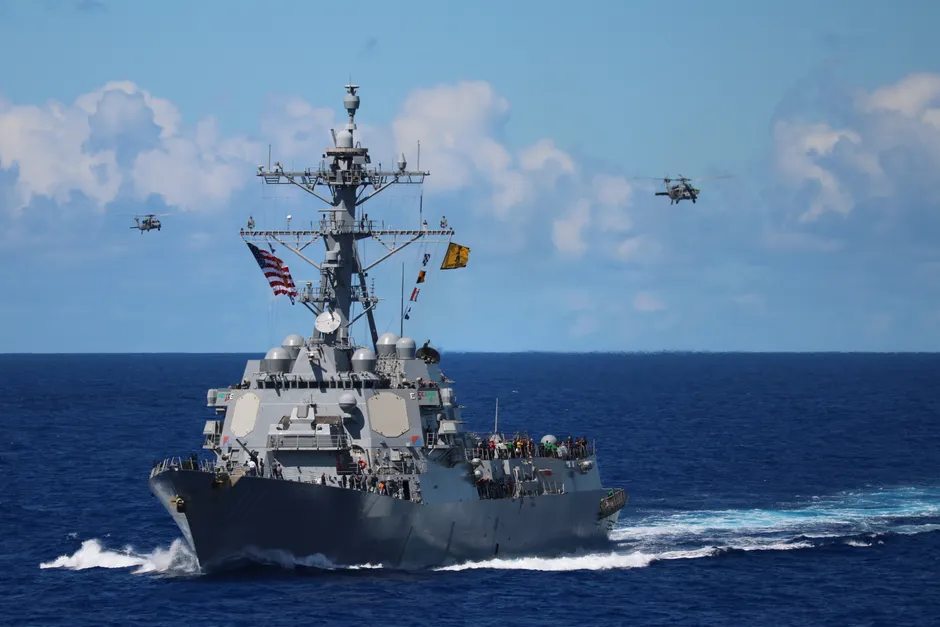
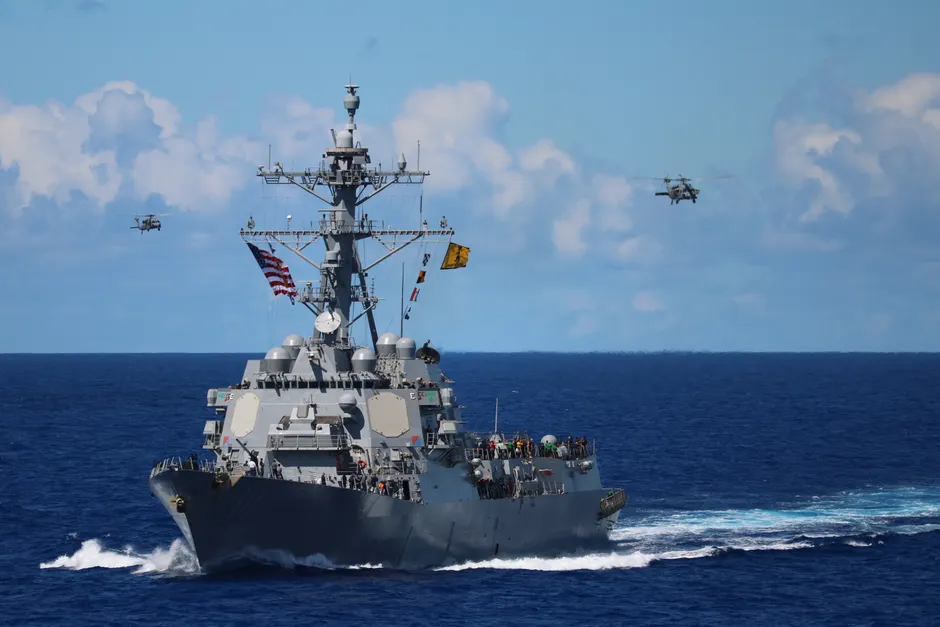
US Central Command announced on July 15, 2026 that American forces disabled the Curaçao-flagged oil tanker M/T Belma in the Strait of Hormuz after the vessel attempted to breach a reimposed US naval blockade on Iranian ports. According to CENTCOM, the Belma was transiting international waters toward Kharg Island, Iran, and ignored multiple warnings before a US aircraft fired Hellfire missiles into the ship's smokestack, rendering it inoperable. The disabling was first reported in CENTCOM's official statement and corroborated by The Guardian's live coverage of the US-Iran conflict (The Guardian, 2026-07-16).
On the same day, Iran activated air defences in Tehran to counter what the semi-official Mehr news agency described as "hostile threats" against the capital. The simultaneous blockade enforcement in the Strait of Hormuz and defensive posture over Tehran encapsulate the breadth of the current US-Iran exchange, which has escalated sharply since a prior ceasefire arrangement effectively collapsed.
By July 13, 2026, the ceasefire that had briefly de-escalated tensions between Washington and Tehran had effectively ended, according to the Institute for the Study of War, which noted "relatively more intense and consistent exchanges" between the two sides. CENTCOM had completed a wave of strikes against Iranian military targets earlier that evening at 10:15 p.m. ET, a mission that lasted five hours and struck sites across the country (CENTCOM, 2026-07-14). Tuesday, July 14 marked the fourth consecutive day of US strikes (The Hill, 2026-07-15), following a third round completed on July 11 (CENTCOM, 2026-07-12).
The naval blockade enforcement that netted the M/T Belma is not an isolated event. It follows a pattern of US interdictions dating to early May. On May 7, CENTCOM reported disabling a vessel in the Gulf of Oman for attempting to violate the blockade while protecting US warships transiting the Strait of Hormuz (CENTCOM). The following day, US forces exchanged fire with Iranian units in the Strait before disabling two Iranian-flagged unladen oil tankers, an engagement the Pentagon later released video footage of (Navy Times, 2026-05-08; AP News, 2026-05-09). CENTCOM confirmed that all three vessels disabled that week were no longer transiting to Iran (Reuters, 2026-05-08). By June 10, the US military had fired on at least eight tankers attempting to transport oil from Iran in violation of the blockade (AP News, 2026-06-10). CENTCOM has stated that 97 ships were redirected during the blockade operation overall (The National Desk, 2026-05-22).
The blockade's enforcement has coexisted with CENTCOM's repeated assertions that the Strait of Hormuz remains open to commercial traffic. On June 20, CENTCOM reported that 55 merchant ships had safely transited the strait, moving large amounts of cargo, and that safe passage remained intact (CENTCOM, 2026-06-20). A week later, CENTCOM announced additional strikes following what it described as Iran's latest attack on a commercial vessel, referencing a Panama-flagged tanker carrying more than two million barrels of crude oil transiting near the Strait of Hormuz (CENTCOM, 2026-06-27). The M/T Belma's Curaçao flag, unlike the earlier Iranian-flagged interdictions, places a third country's registered vessel in the enforcement zone, a distinction worth tracking as the blockade's legal and diplomatic footprint widens.
Amid the military escalation, a narrow diplomatic channel produced a humanitarian outcome. Donald Trump thanked Iran on Truth Social for allowing Dena Karari, a dual US-Iranian citizen, to leave the country after what Trump described as her being "wrongfully detained in December of 2024." According to her lawyer Jared Genser, who announced her release on social media, Karari had been banned from leaving Iran after visiting family in 2024 and was interrogated but not formally detained. Genser confirmed she was safe and traveling back to the United States as of July 15. The release, occurring against the backdrop of active strikes and blockade enforcement, suggests a parallel track of limited engagement even as the military confrontation intensifies.
On the domestic front, the US House of Representatives defeated a measure on July 15 to slash military aid to Israel, though more than 100 House Democrats voted in favor of the reduction. The vote reflects growing intraparty friction over US military commitments in the region even as the executive branch continues to escalate operations against Iran.
The trajectory is clear in its facts even if its destination is not. What began in May as a naval blockade enforcement operation, with periodic tanker interdictions and exchange of fire, has expanded into sustained multi-day strikes against Iranian military infrastructure, with air defences now activating over Tehran itself. The M/T Belma incident, the fourth consecutive day of strikes as of July 14, and the activation of Tehran's air defences on July 15 together mark the highest tempo of direct US-Iran military engagement in the current campaign. The release of Dena Karari and the House vote on Israel aid meanwhile demonstrate that the political and diplomatic dimensions of the conflict are moving on separate tracks, with no indication yet of convergence.