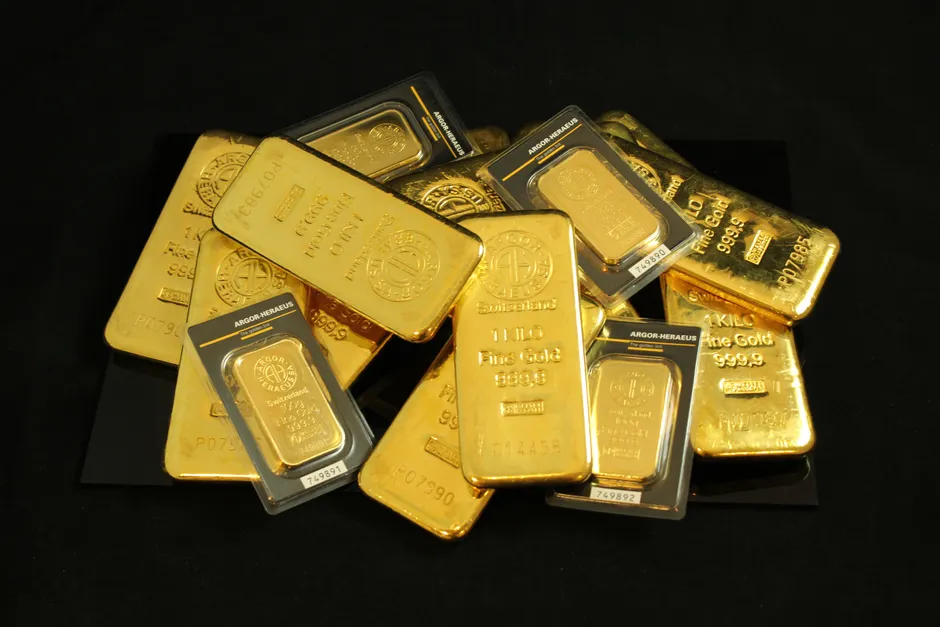
Gold August Futures Open Above $4,000 as Central Bank Demand Thesis Holds
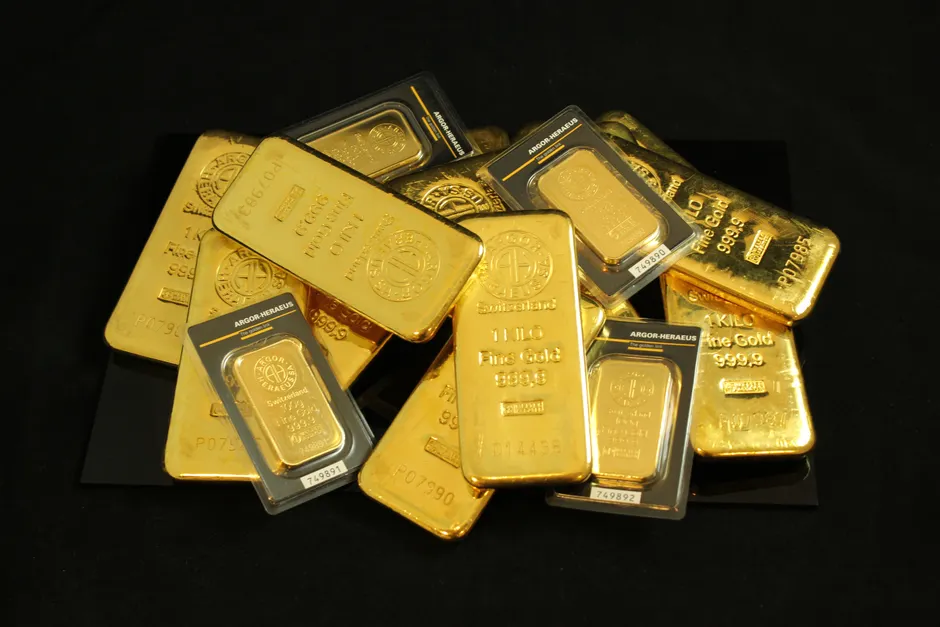
Gold August futures (GC=F) opened at $4,068.90 per troy ounce on Thursday, July 16, 2026, up 0.4% from the previous session's close, as prices struggled to hold above the $4,000 psychological level (Yahoo Finance).
The battle to sustain five-figure gold comes against a structural backdrop that has only strengthened over the past year. The World Gold Council reported that central banks resumed net gold buying in April 2026, following a Q2 2025 slowdown that had prompted a modest downward revision of the WGC's full-year demand forecast (World Gold Council). State Street Global Advisors has projected that 2026 will mark the 17th consecutive year of net central bank gold purchases since the global financial crisis (State Street Global Advisors).
The WGC's ninth annual Central Bank Gold Reserves Survey, released in June 2026, found that 89% of respondents believed global central bank gold reserves would increase over the next 12 months. That is down from 95% in the 2025 survey but still an overwhelming consensus. Separately, 72% of respondents expected gold to make up a moderately higher share of total reserves (World Gold Council; World Gold Council, Facebook).
The six-percentage-point decline in the 12-month bullish reading is worth noting. It is modest, not a reversal. Central banks that were nearly unanimous a year ago remain broadly committed to accumulating gold; the marginal enthusiasm has cooled slightly, consistent with the Q2 2025 buying deceleration that the WGC itself flagged.
There is also a measurement gap that desk analysts should keep in mind. The WGC's estimates of central bank gold purchases run larger than the IMF's, with the difference possibly attributable to purchases that go unreported to the Fund (Brookings Institution). For anyone modeling official-sector demand, the choice of data source materially affects the headline number.
Geopolitics remains the WGC's central framing for 2026 gold demand outlook, as articulated in its Q1 2026 Gold Demand Trends report (World Gold Council). The council's Q2 2025 outlook had already flagged the central bank buying slowdown, which led to the downward full-year revision, before the April 6 resumption of net purchases shifted the trajectory back upward.
Looking at what this means for positioning, the $4,000 level is functioning as both a psychological anchor and a practical pivot. An open at $4,068.90 with a mere 0.4% day-over-day gain indicates thin upside momentum at these levels. The phrase "struggling to remain above $4,000" from the source report is telling: the market is not rallying through the round number with conviction; it is defending it.
For institutional participants, the relevant tension is between robust structural demand from official sectors and the question of how much of that demand is already priced. When 89% of surveyed central banks expect to add to reserves over the next year and State Street projects a 17th consecutive year of net buying, that is a consensus view. Consensus demand does not necessarily translate to upside price surprise; it translates to a floor. The risk for long positions is not that central banks stop buying. It is that the pace of buying fails to exceed what the market has already discounted.
The measurement discrepancy between WGC and IMF figures adds another layer of uncertainty. If a meaningful share of central bank accumulation occurs off the IMF's radar, then official-sector demand may be systematically underestimated in some models and overestimated in others, depending on which source a desk relies on. That makes any demand surprise harder to interpret in real time.
For retail investors holding gold ETFs or allocated bullion, the practical takeaway is simpler. The structural bid from central banks has not gone away. The near-term question is whether spot can consolidate above $4,000 with enough volume to establish a new trading range, or whether the struggle described on July 16 prescribes a pullback toward prior support.