Venezuela Earthquake Death Toll Surpasses 5,000 as IMF Releases $346 Million in Emergency Financing

The confirmed death toll from the June 24 twin earthquakes in Venezuela has surpassed 5,000, reaching 5,069 as of July 18, according to National Assembly President Jorge Rodriguez (Al Jazeera). The announcement coincided with Interim President Delcy Rodriguez's confirmation that Venezuela had secured $346 million in emergency financing from the International Monetary Fund.
The two quakes, measuring magnitude 7.2 and 7.5, struck within a minute of each other on June 24. More than 1,300 aftershocks have been recorded since. The toll has climbed steadily in the weeks following the initial event: the National Assembly reported 188 deaths on June 25, then 1,430 by June 27, 1,719 by June 29, and 2,295 by July 1 (National Assembly). The trajectory from 188 to over 5,000 in under four weeks reflects the scale of structural collapse and the time required for recovery teams to reach affected areas.
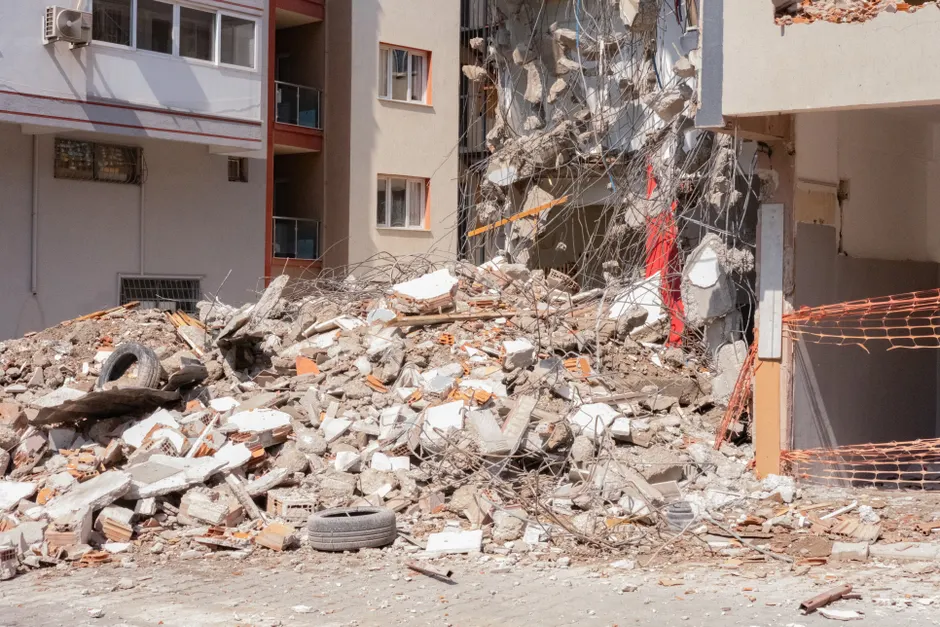
The coastal state of La Guaira absorbed the worst destruction. Home to Venezuela's main international airport, a major seaport, and hundreds of residential apartment towers, the state saw many of those towers partially or completely collapse. The concentration of critical logistics infrastructure in the hardest-hit zone compounds the humanitarian and recovery challenge: damage to airport and port facilities directly constrains the throughput of incoming aid and personnel.
Approximately 20,000 people remain displaced, housed in overcrowded shelters without reliable access to clean water or sanitation. Of the 16,740 people injured in the quakes, most had been discharged from hospitals by July 18. Authorities had previously reported 157 people missing and 200 trapped in the immediate aftermath.
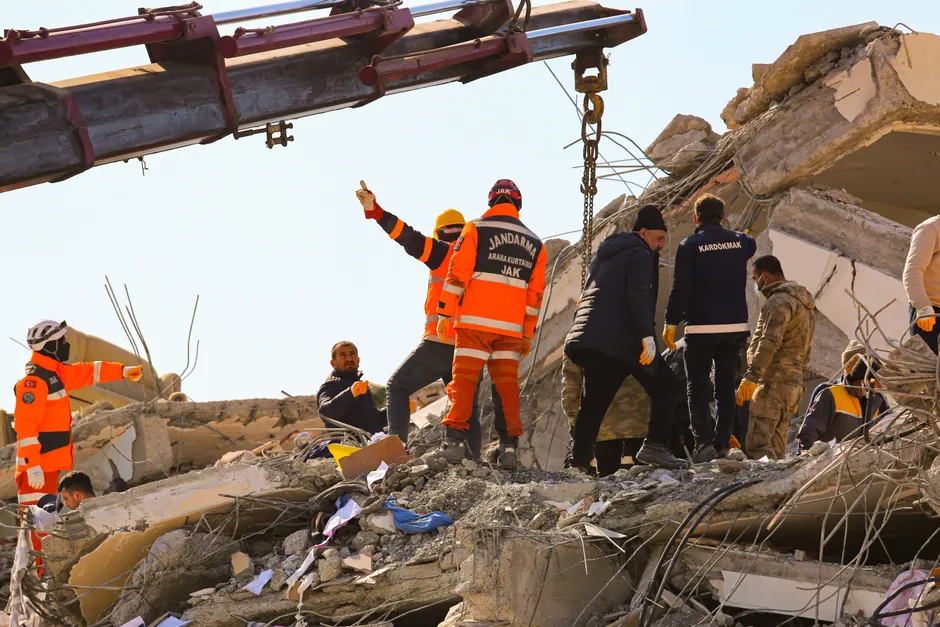
A Reuters investigation found that the first days of rescue operations were hampered by delayed military deployment orders, shortages of basic rescue equipment, and confusion from overlapping chains of command. These early operational failures are likely to face scrutiny as Venezuela's transitional government navigates accountability for the disaster response.
The IMF financing, announced by Interim President Rodriguez on July 18, was confirmed by Managing Director Kristalina Georgieva as being drawn from Venezuela's reserve tranche at the Fund to meet urgent humanitarian needs. The release mechanism matters: drawing on the reserve tranche does not constitute a new lending program or condition-based disbursement. It is a claim on Venezuela's own reserve position at the IMF, which means the funds can be disbursed rapidly without the negotiation of structural adjustment terms that typically accompany IMF lending facilities.
The broader context here is the pace of Venezuela's reintegration into multilateral institutions. The IMF and World Bank restored relations with Venezuela in April 2026, after suspending ties in 2019. That re-engagement followed the January 2026 forcible removal of former President Nicolas Maduro from power by the United States. In January, IMF Communications Department Director Julie Kozack stated during a press briefing that Venezuela was undergoing a severe and prolonged economic and humanitarian crisis (IMF). The earthquake struck a country already grappling with systemic economic distress, limited fiscal space, and weakened institutional capacity.
The interplay between the political transition and the disaster response is worth watching closely. The interim government's ability to channel IMF funds into effective on-the-ground relief, particularly in La Guaira where infrastructure damage is most acute, will be an early test of its administrative competence. The Reuters findings on delayed military deployment and command confusion suggest that institutional coordination gaps, a legacy of the prior administration's governance model, have already cost lives in the critical first 72 hours following the quake.
For the expert audience, two threads deserve attention going forward. First, whether the reserve tranche draw proves sufficient against a displacement and infrastructure damage footprint of this magnitude, or whether Venezuela will need to seek additional IMF facilities that come with attached conditionality. Second, how the transitional government manages the tension between rapid disaster-response spending and the fiscal discipline that multilateral re-engagement implicitly demands. The $346 million addresses immediate liquidity needs; reconstruction of La Guaira's airport, port, and residential housing stock will require a fundamentally different scale of financing and a timeline measured in years, not weeks.