Venezuela's Double Earthquake: 920 Dead, $6.7 Billion in Losses as La Guaira Collapses
A double earthquake struck Venezuela in late June 2026, killing at least 920 people and injuring thousands more, with UNDP estimates placing total economic losses at approximately $6.7 billion — a figure that will strain a country already operating well outside normal fiscal parameters.
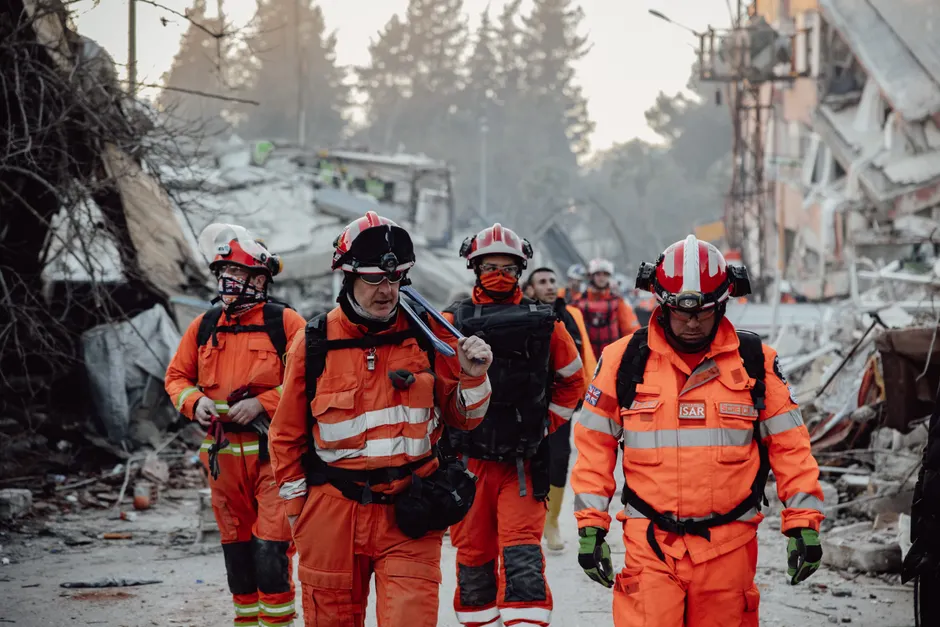
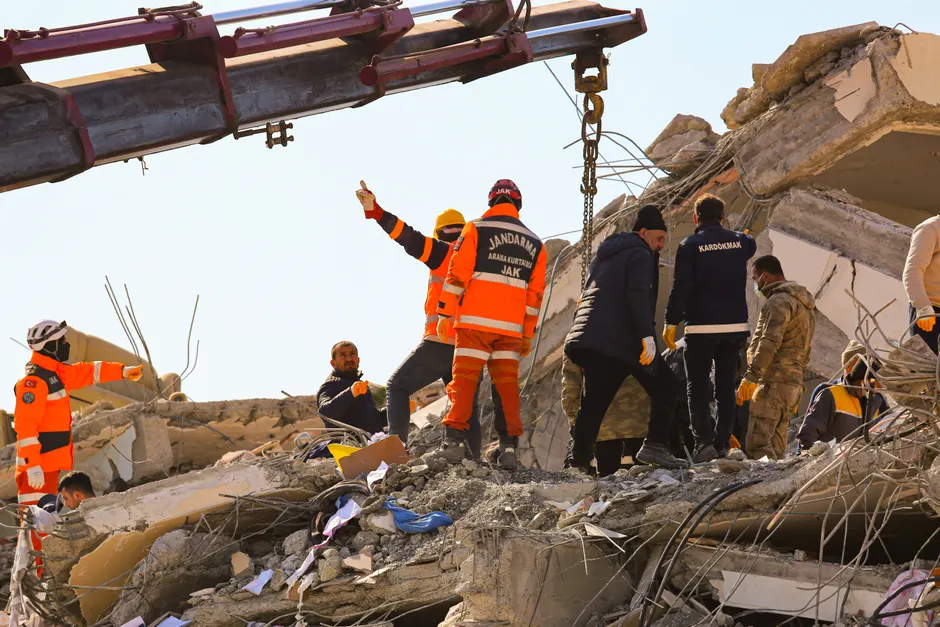
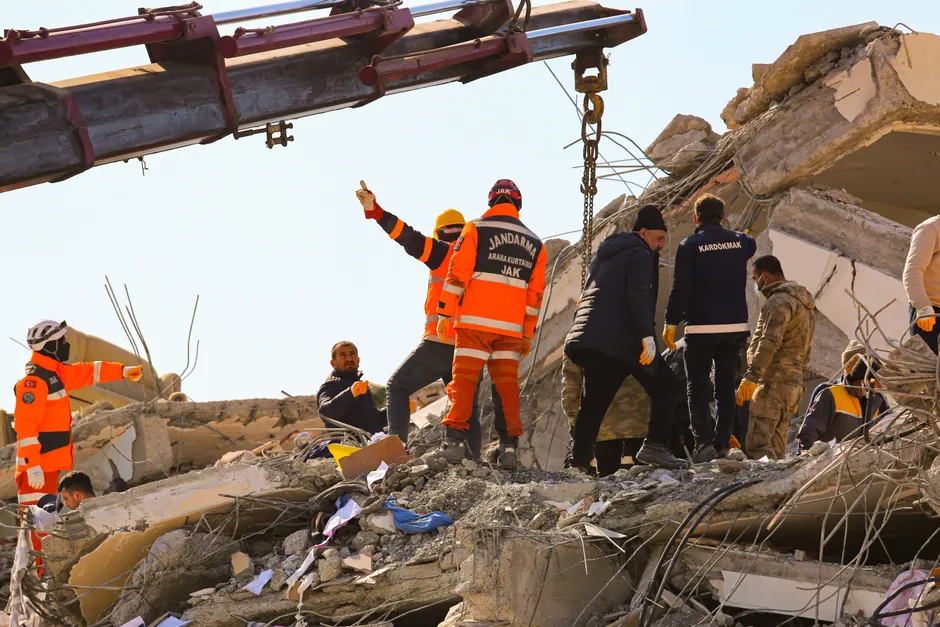
The epicentral zone and its immediate coastal neighbor bore the worst of it. La Guaira, Venezuela's principal port city and the gateway to Caracas, saw multi-storey residential towers undergo pancake-style collapses, according to BBC and CNN footage published on June 25. Pancake collapse — the sequential failure of floor plates onto one another — is among the most lethal failure modes in reinforced concrete structures because it eliminates survivable void space and compresses response windows for rescue teams.
Why the Damage Was So Severe
Seismic intensity alone does not explain the death toll. AP reporting from June 26 points directly to substandard construction practices and aging building stock as multipliers. Venezuela sits astride the Caribbean–South American plate boundary, a tectonically active zone where major seismic events are a known hazard. Yet decades of underinvestment in infrastructure, compounded by the economic collapse of the 2010s and subsequent capital flight, left large portions of the residential building stock without the seismic upgrades that would be standard practice in comparable risk zones — Chile, Japan, or California, for instance.
The problem is structural in every sense. Venezuela's construction sector contracted sharply after 2014 as oil revenues collapsed and import controls choked off access to steel and cement. New builds that did proceed often did so under diminished regulatory oversight. Older apartment towers in coastal cities like La Guaira, many dating to the mid-twentieth century, were not originally designed to current seismic codes, and retrofitting was not a priority for either the state or private owners operating under price controls and currency restrictions that gutted maintenance budgets.
The Response and the Longer Reckoning
Venezuelan Armed Forces were deployed for humanitarian assistance and coordinated debris removal in the aftermath, according to the government's presidential website. Military-led disaster response is the default mechanism in Venezuela, where civilian emergency management institutions have been hollowed out alongside the broader public sector. How quickly and completely that machinery can operate at the scale this event demands is an open question — the logistical baseline is weak.
The UNDP's $6.7 billion damage estimate, published June 29, is the most current authoritative figure available. To put it in context: Venezuela's GDP has been estimated in recent years at roughly $90–100 billion, though chronic data gaps make precision difficult. A loss event in the range of six to seven percent of GDP, concentrated in critical port infrastructure and urban housing stock, will have cascading effects on an economy already dependent on informal mechanisms for basic goods distribution. La Guaira handles the overwhelming majority of containerized imports into the capital; any extended disruption to port operations compounds supply-chain vulnerabilities that predate the earthquake.
International humanitarian response will be watched closely for political dimension. Venezuela's government under Nicolás Maduro has historically navigated international aid with considerable wariness, occasionally rejecting or redirecting foreign assistance to preserve narrative control over internal crises. Whether the scale of this event — and the UNDP's formal involvement in loss assessment — creates more space for multilateral coordination than past disasters allowed is not yet clear from available reporting.
The structural lesson here is not new. Seismic risk across Latin America is well-mapped; the gap between known hazard and actual building resilience is primarily a governance and financing problem, not an engineering one. What happened in La Guaira in June 2026 is a predictable consequence of that gap going unaddressed across multiple administrations and political cycles. The $6.7 billion loss figure will anchor reconstruction planning discussions — if reconstruction financing can be mobilized at all under Venezuela's current international financial constraints, including remaining U.S. and EU sanctions on sovereign debt instruments.
The immediate priority remains search and rescue, transitioning to debris clearance and shelter provision as viable survivor probability diminishes. With a confirmed death toll already at 920 and likely to rise as rubble is cleared, this is already among the deadliest seismic events in Venezuelan history.