Ontario Wildfires Trigger Evacuations, Travel Bans, and Cross-Border Smoke Concerns
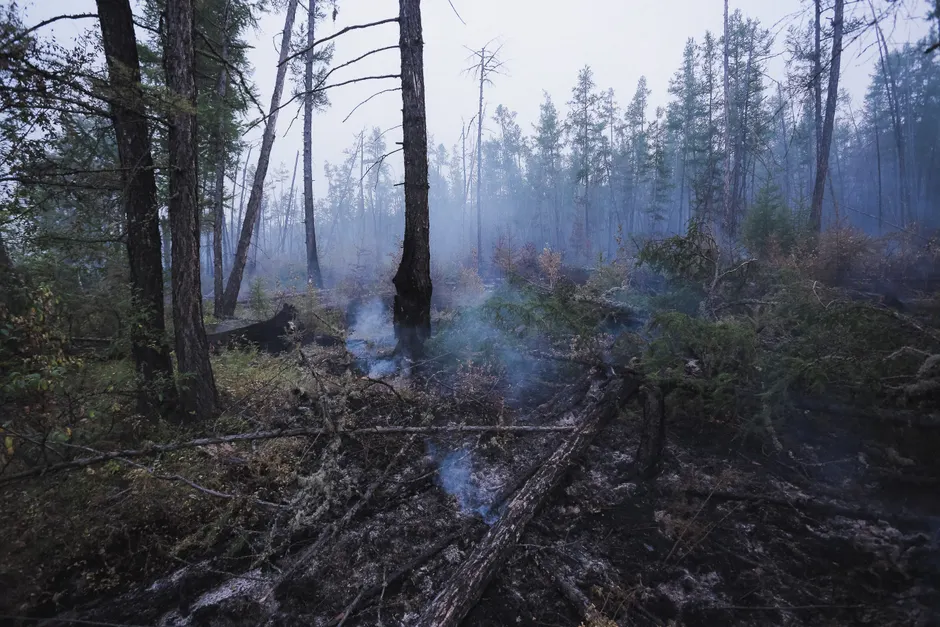
Scores of wildfires are devastating large swaths of Ontario and continue to burn, prompting evacuations, road closures, and air quality warnings stretching from northwestern Ontario into southern Ontario and the United States, the New York Times reported on July 17, 2026 (New York Times).
Ontario's official forest fire status page, updated July 17, 2026 at 8:00 p.m. EDT, recorded two new wildland fires in the Northeast Region as of that update. The more acute crisis, however, is centered in the Thunder Bay-Ignace District, where the Fort Frances 14 wildland fire has triggered a cascade of emergency orders.
The Ontario Ministry of Natural Resources' Thunder Bay-Ignace District invoked an Implementation Order under Emergency Area Order EAO 2026-09 on July 17, 2026, for areas near the Fort Frances 14 fire. That Implementation Order took effect at 12:01 a.m. EDT on July 17, prohibiting all travel and use on specified roads and Crown lands in the identified area (Ontario Forest Fires). An Evacuation Order (IO 2026-009-TBI08) was in effect as of 7:00 a.m. EDT the same day for areas in the Thunder Bay-Ignace District. An expanded Evacuation Alert was also issued for areas near Fort Frances 14, covering over 30 named townships and numerous roads. The exemption permit information phone number for both orders is 807-475-1471.
A reception centre for evacuees was opened at Fort William Gardens Arena, 901 Miles St E, Thunder Bay, providing sleeping accommodations, food, water, pet accommodation, hygiene kits, and medical supports. The scale of the response reflects the operational complexity: coordinating evacuation logistics across remote township areas, maintaining access control on Crown land, and sustaining a multi-service shelter operation in a municipal facility.
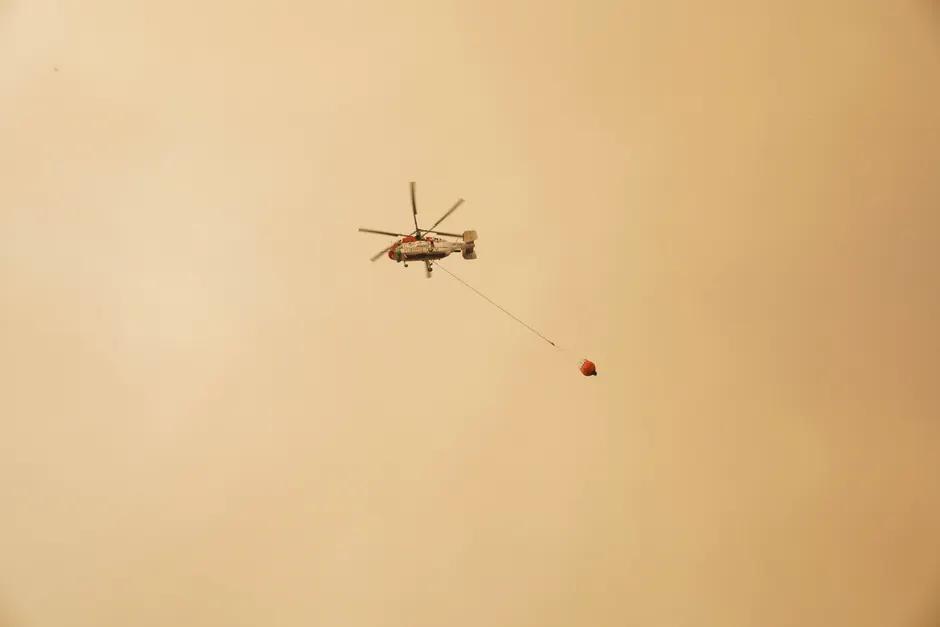
Smoke from the fires has carried far beyond the immediate fire zones. Environment Canada placed Toronto under an orange-level air quality warning due to smoke from wildfires burning in northwestern Ontario (CBC). Wildfire smoke created a yellow hue in the skies above London, Ontario on July 15, 2026, and heat combined with smoke to create dangerous conditions across southwestern Ontario (CBC). Smoke from forest fires in northwestern Ontario caused poor air quality and reduced visibility for much of southern Ontario (CBC).
The Canadian Press, in a video published July 15, 2026, reported that smoke from Ontario wildfires reached Toronto, with fires described as "Out of Control." The same report included footage of a wildfire closing in on a CN train in Ontario (Canadian Press/YouTube). CBC has published a 2026 Canadian wildfire tracker featuring maps and charts showing where the wildfires are, how much has burned, and how they are affecting air quality (CBC).
The New York Times also reported that U.S. health concerns are mounting over drifting smoke from the Ontario fires, adding a cross-border dimension to what is already a province-wide emergency within Canada.
The legal framework underpinning Ontario's response has itself changed. Effective January 1, 2026, the province's Forest Fires Prevention Act was renamed and replaced by the Wildland Fire Management Act (ERO Ontario). The new legislation governs the same suite of emergency powers now being exercised in the Thunder Bay-Ignace District, including the authority to issue Emergency Area Orders, Implementation Orders restricting travel on Crown land, and Evacuation Orders.
The broader context here is one of layered crisis: active fire suppression in the north, mass evacuation logistics, transportation infrastructure disruption, and a public health response to smoke that has now affected communities hundreds of kilometers from any fire perimeter. The cross-border smoke drift adds a diplomatic and intergovernmental dimension, as U.S. health agencies confront air quality impacts originating from Canadian wildland fires. The operational tempo, with multiple orders taking effect within hours of each other on July 17, suggests the situation around Fort Frances 14 is evolving rapidly enough that the provincial response architecture is being adjusted in near real-time.