U.S. and Saudi Arabia Formalize Civil Nuclear Cooperation Under 123 Agreement Framework

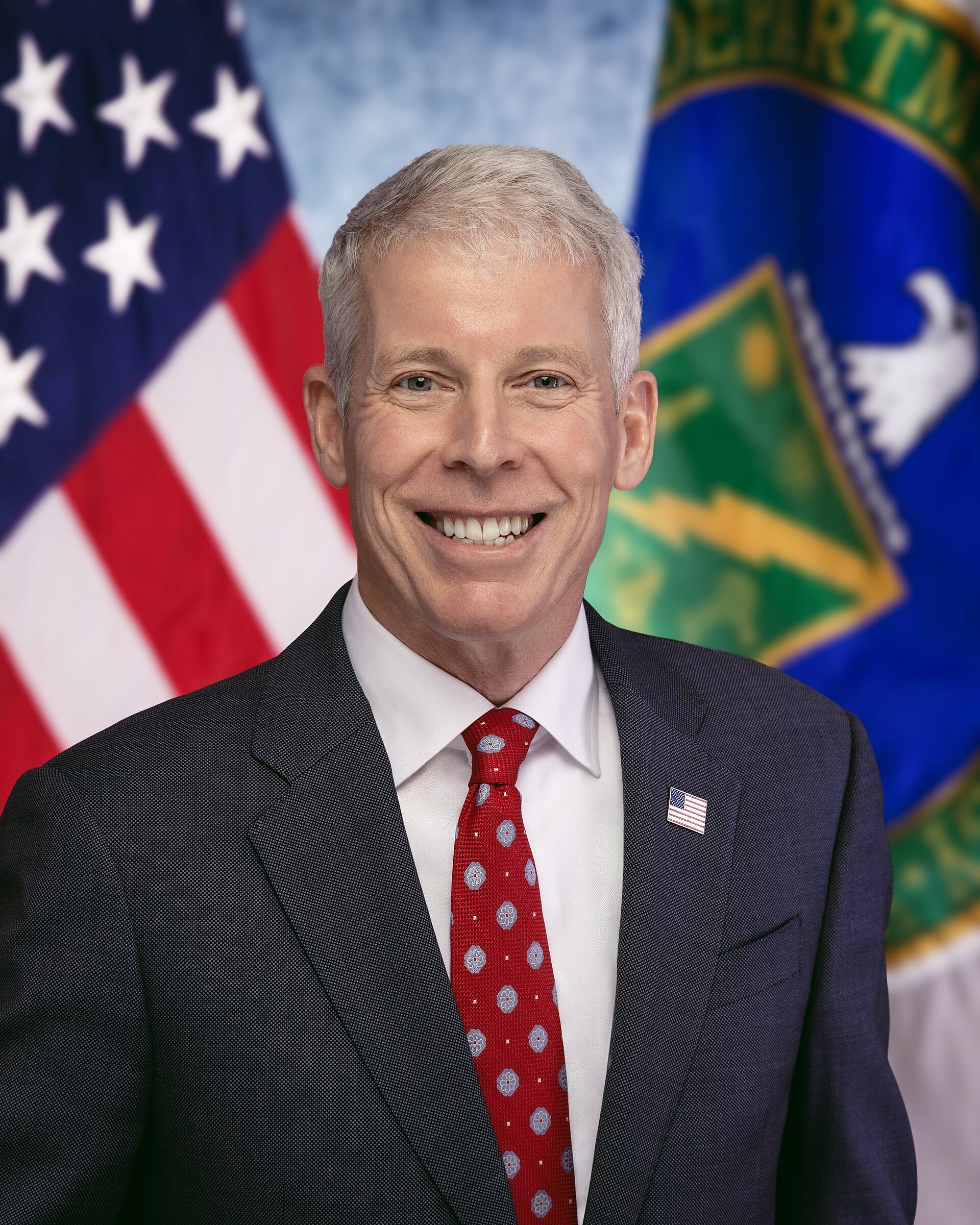
The U.S. Department of Energy announced on November 18, 2025, that Energy Secretary Chris Wright and Saudi Arabia's Energy Minister had reached a deal on civil nuclear cooperation, with a formal Memorandum of Understanding posted to energy.gov referencing a June 30, 2026 date for the instrument U.S. Department of Energy. The DOE's International Affairs News page further lists a July 9, 2026 entry linking Secretary Wright and the Saudi Energy Minister to the civil nuclear cooperation agreement U.S. Department of Energy.
The announcement, as stated by DOE, framed the development in sweeping terms: "Today is a historic day for the United States and the Kingdom of Saudi Arabia. We've come together on a deal for civil nuclear cooperation" U.S. Department of Energy. Secretary Wright had previously delivered remarks in Riyadh focused on U.S.-Saudi cooperation on civilian nuclear technology and energy production, with the DOE publishing those remarks on April 15, 2025 U.S. Department of Energy.
The agreement did not emerge from a vacuum. In May 2024, Reuters reported that the Biden administration and Saudi Arabia were finalizing an agreement encompassing U.S. security guarantees and civilian nuclear assistance Reuters. Those earlier negotiations tied nuclear cooperation to a broader bilateral package that reportedly included defense commitments and normalization diplomacy. The current deal, announced under the Trump administration, appears to have decoupled the civil nuclear component from that wider framework, though the verified facts do not detail the full scope of what the MOU covers beyond "cooperation in nuclear energy and other energy fields."
The Saudi Press Agency corroborated the high-level diplomatic context. On November 19, 2025, SPA reported that President Donald Trump welcomed HRH the Crown Prince to the White House and listed nuclear energy as a topic within a strategic framework for partnership Saudi Press Agency. A subsequent SPA press statement at the conclusion of the Crown Prince's visit referenced nuclear energy and a strategic framework for cooperation in securing supply chains Saudi Press Agency. The MOU posted on energy.gov, while carrying undated metadata, references the same instrument tied to the June 30, 2026 date U.S. Department of Energy.
The broader context here matters for understanding what this agreement is and what it is not. A U.S.-Saudi civil nuclear deal would require a Section 123 Agreement under the U.S. Atomic Energy Act, which sets the legal framework for transferring nuclear material, equipment, and technology for peaceful purposes. The verified facts do not confirm whether the announced "deal" and the referenced MOU constitute a fully finalized 123 Agreement or a precursor instrument. The distinction is consequential: a 123 Agreement requires congressional review and typically includes nonproliferation commitments such as Saudi forfeiture of enrichment and reprocessing capabilities on its territory, a long-standing U.S. demand that has complicated prior rounds of negotiation.
The timeline embedded in the available sources raises its own questions. The November 2025 announcement and the Crown Prince's White House visit frame the political moment, while the June 30, 2026 MOU reference and the July 9, 2026 International Affairs listing suggest either a phased implementation or a subsequent formalization. Whether the MOU represents the binding instrument or an interim step toward a congressionally reviewable agreement is not clarified in the available record.
Riyadh's pursuit of civilian nuclear power has been a persistent feature of Saudi energy policy, motivated by domestic electricity demand growth and a stated intent to diversify the power generation mix. The Kingdom has previously signaled plans to build reactors and has engaged with nuclear supplier states beyond Washington. A U.S. agreement, however, carries specific geopolitical weight: it anchors Saudi nuclear development within a U.S.-administered nonproliferation regime and ties the Kingdom more closely to Western nuclear supply chains, which aligns with the supply chain cooperation language in the SPA statements.
The transition from Biden-era negotiations to a Trump-era announcement also warrants attention. The earlier framework reportedly bundled nuclear cooperation with security guarantees, a package shaped by broader regional dynamics including the prospect of Saudi-Israeli normalization. The current announcement, as documented by DOE, is framed around energy cooperation without explicit reference to security guarantees or regional normalization in the verified materials. Whether those linked components have been quietly retained, dropped, or restructured is not addressed in the available facts.
What the verified record establishes is a bilateral civil nuclear cooperation agreement announced at the cabinet level, formalized through an MOU, and situated within a strategic framework discussed during a Crown Prince visit to Washington. What it does not establish is the agreement's specific nonproliferation terms, its congressional review status, the reactor technologies in scope, or its relationship to the broader security and normalization agenda that previously framed U.S.-Saudi nuclear diplomacy. Those are the details that will determine whether this "deal" translates into concrete nuclear cooperation or remains a statement of intent.