First Nations Demand Inquiry as Ontario Wildfire Response Buckles

First Nations chiefs are demanding a public inquiry into Ontario's wildfire response, accusing the province's Ministry of Natural Resources of ignoring their concerns as nearly 200 active fires burn across Northern Ontario and thousands of evacuees struggle with a severe lapse in official communication.
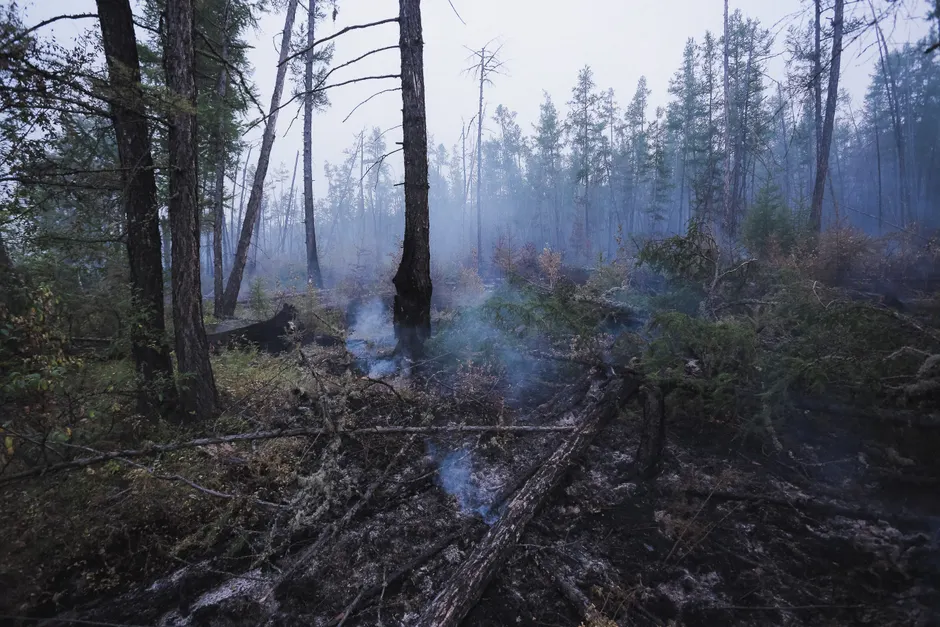
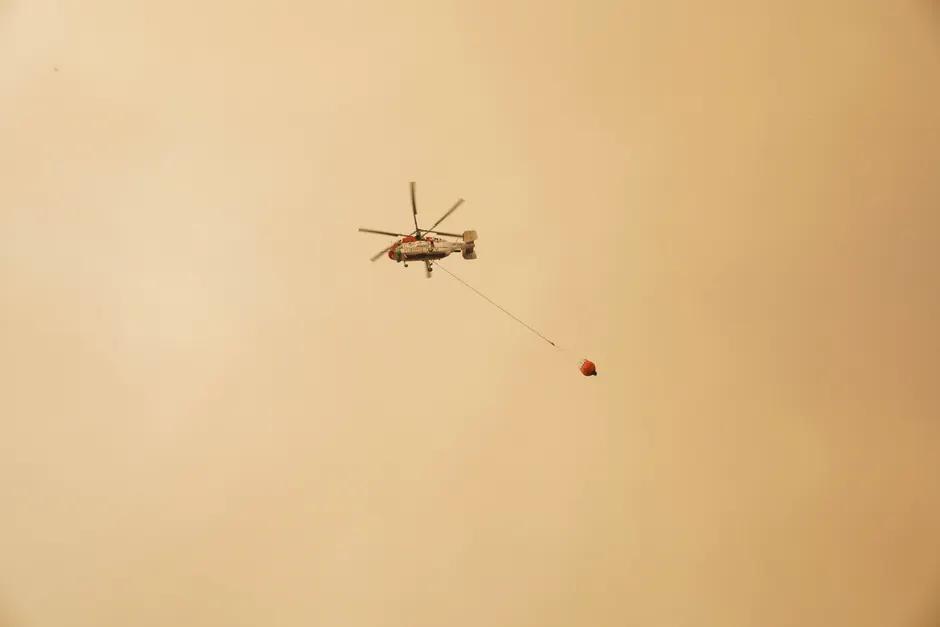
As of mid-July 2026, Ontario was battling approximately 190 active wildfires, with 57 classified as out of control (CityNews Toronto). Ontario's Aviation, Forest Fire and Emergency Services reported 146 active fires in the northwest alone as of a Tuesday night (CBC News). The fires have prompted the evacuation of roughly 2,415 people to host communities including Thunder Bay, Kenora, Fort Frances, and Lac Seul (CBC News).
The human toll is concentrated heavily in remote First Nations communities. Eabametoong First Nation ordered its vulnerable residents to leave, resulting in approximately 460 members being evacuated on seven flights to Niagara Falls (CBC News). Collins First Nation was fully evacuated after flames tore through the area; evacuees' photographs documented the raging fire that forced the displacement of the entire community (CBC News).
Displaced residents are voicing deep frustration with the provincial response. The New York Times reported that evacuees were outraged by a lapse in communication from officials (New York Times). In a separate report, the Times detailed how flames "crept, and then sprinted" toward unsuspecting residents in remote northwestern Ontario, with evacuees blaming authorities for providing inadequate warnings about the wildfire danger (New York Times). Evacuees described similar scenes of fast-moving flames in a July 16 segment aired by CBC's The National (CBC News).
The political fallout is escalating. First Nations chiefs called for a public inquiry on July 22, 2026, directly accusing Ontario's Ministry of Natural Resources of ignoring their concerns regarding the wildfire response (Global News; CP24). Ontario Premier Doug Ford has defended his government's budget for wildfire response amid the mounting criticism (CBC News).
The current crisis carries echoes of past fire seasons in the region. During a previous severe outbreak, Ontario coordinated the full evacuation of Deer Lake after forest fires burned approximately 3.5 kilometres from the remote northwestern community, sending plumes of smoke into the area (Ontario government). That same season saw the full evacuation of Cat Lake First Nation, Keewaywin First Nation, and Koocheching First Nation due to forest fires, with an Ontario government update reporting 3,051 evacuees displaced (Ontario government).
The broader context here is the recurring collision between provincial emergency management frameworks and the realities of remote First Nations infrastructure. Ontario's wildland fire season runs from April 1 to October 31 (Ontario government). In March 2026, the Ontario government issued an official news release declaring it was ready to protect people and communities for the wildland fire season (Ontario government). The subsequent communication failures and evacuation distress reported by displaced residents raise serious questions about the gap between provincial readiness declarations and on-the-ground execution in fly-in communities.
First Nations leaders are not simply critiquing logistical hiccups; they are alleging systemic disregard by the Ministry of Natural Resources. The demand for a public inquiry shifts the conversation from emergency operations to institutional accountability. Premier Ford's defense of the wildfire response budget places the province's fiscal choices under direct scrutiny at a moment when entire communities are displaced. For emergency management professionals, the Ontario crisis underscores the persistent vulnerability of remote communities during wildland fire events and the fragility of communication protocols when fires advance rapidly. The testimony that flames "crept, and then sprinted" suggests a rapid escalation pattern that existing warning systems failed to adequately capture and transmit. How the Ford government responds to the inquiry demand will likely shape the trajectory of provincial-First Nations emergency management relations for future fire seasons.