Modi Pledges Fast-Track Courts for Exam Paper Leaks as CJP-Led Protests Grip Delhi

Indian Prime Minister Narendra Modi pledged on July 23, 2026, to establish fast-track courts to prosecute those responsible for examination paper leaks, responding to a wave of protests that has drawn tens of thousands of demonstrators to central New Delhi and triggered the shutdown of 16 metro stations around the protest site. Al Jazeera
Modi announced the measure on X, writing: "We have decided to set up fast-track courts to ensure swift and stringent punishment for those involved in paper leaks." He added: "Nothing is more important than the welfare and future of our youth!" India's Press Information Bureau released a corresponding Prime Minister's Office statement titled "Prime Minister announces fast-track courts for paper leak cases to safeguard the future of youth." PIB
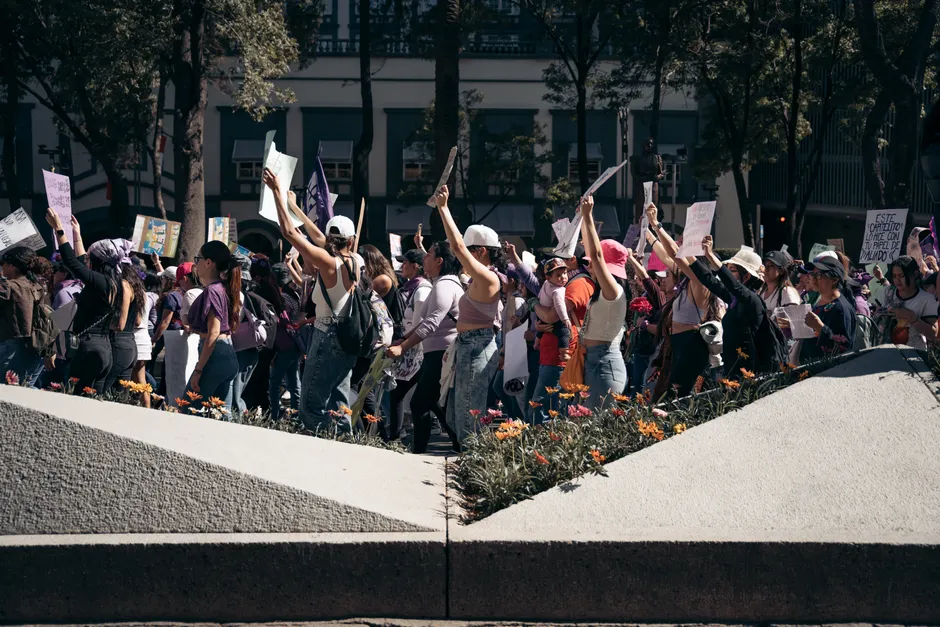
The protests were triggered by reported irregularities in national medical school entrance exams. Demonstrators occupied Parliament Street, the thoroughfare connecting Parliament House to Connaught Place, for three days. Al Jazeera correspondent Neeha Poonia reported from New Delhi that tens of thousands turned out for a march to Parliament on Monday, July 20. Police fired tear gas and wielded batons against marchers that day. Smaller demonstrations followed on Wednesday, July 22, in Mumbai, Bengaluru, and Patna. Al Jazeera
The demonstrations are coordinated under the banner of the Cockroach Janta Party (CJP), a satirical online movement formed in May 2026 that has since evolved into a national platform demanding structural testing reforms and the resignation of Education Minister Dharmendra Pradhan. The CJP's founding president is Abhijeet Dipke. Al Jazeera
CJP spokesperson Ashutosh Ranka dismissed the fast-track courts proposal as "merely a distraction" and attributed the paper leaks to Pradhan, stating he "has been completely incompetent." Dipke posted on X that Modi appeared "ready to shut down all of Delhi, but not sack Dharmendra Pradhan." Al Jazeera
The CJP's demands extend beyond Pradhan's immediate resignation. The movement is calling for the dropping of cases against peaceful demonstrators and for financial assistance of 10 million rupees (approximately $120,000) to each family of at least 12 students who died by suicide since recent exam cancellations. Al Jazeera
Dipke accused outside agitators of instigating violence to discredit the demonstration. Reuters reported on July 16 that an Indian court had asked authorities to intervene if the condition of a fasting activist in New Delhi worsened, indicating that hunger strikes have accompanied the broader protest movement. Reuters
The scale of the government's logistical response is notable. The closure of 16 metro stations around the protest site effectively cordons off a substantial portion of central Delhi, restricting civilian movement in the vicinity of Parliament House and the Connaught Place commercial district. This is a containment posture typically reserved for high-alert security scenarios, and its deployment against a movement that originated as satirical online organizing signals how rapidly the CJP has escalated from internet novelty to a physical presence capable of tying up the capital.
The broader context here is a crisis of institutional credibility around India's competitive examination infrastructure. Medical school entrance exams in India gatekeep access to one of the country's most prestigious and economically consequential professional tracks. When the integrity of those exams is called into question, the backlash inevitably extends beyond the specific testing authority to the political leadership overseeing it. Pradhan, as Education Minister, has become the focal point of that backlash. Modi's fast-track courts pledge addresses the punitive dimension, the prospect of prosecution for those who leak papers, but does not engage with the structural reform demands at the center of the CJP's platform.
That gap between what the government has offered and what the protesters are demanding is likely to determine whether the demonstrations intensify or recede. The CJP has framed the courts proposal as a distraction, signaling that the movement's leadership does not intend to stand down on the basis of this announcement alone. With protests already spreading to Mumbai, Bengaluru, and Patna, and with a court already monitoring the health of a fasting activist, the potential for escalation remains real. The government's next moves, whether toward further concessions or a harder security posture, will reveal whether the fast-track courts pledge is the beginning of a sustained response or the extent of it.