India's NEET-UG Paper Leak Crisis: Modi Pledges Fast-Track Courts as Youth-Led "Cockroach" Protests Persist

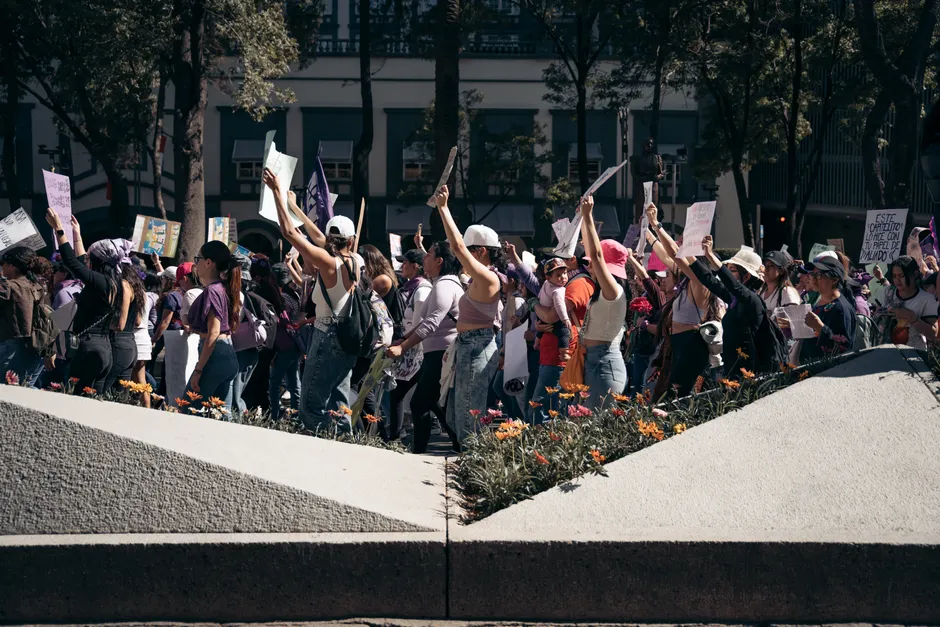
Thousands of protesters marched on India's Parliament on July 20, 2026, demanding accountability for the alleged NEET-UG 2026 paper leak and the resignation of a Union official. The march, organized under the banner of what has been dubbed the "Cockroach" movement, drew Gen-Z demonstrators to the heart of New Delhi despite a police ban on the gathering. NPR
The paper leak occurred in May 2026 and targeted the NEET-UG examination, India's high-stakes entrance test for undergraduate medical programs. More than a dozen students died by suicide in the aftermath of the leak, according to reporting dated July 24, 2026. Reuters The Indian government announced compensation of 10 million rupees (approximately $104,000) for each bereaved family. Reuters
Clashes between protesters and police in Delhi injured 180 people, and a youth group organizing the demonstrations said protests would continue even after leaders held talks with government representatives. Reuters Fresh violence erupted in Delhi on July 23 as demonstrators renewed demands for a minister's resignation. Reuters
Education Minister Dharmendra Pradhan resigned in connection with the exam paper leak protests, as reported by Reuters on July 20 and July 21. Reuters The demand for a Union official's resignation, voiced by marchers on July 20, appears to have centered on Pradhan's portfolio.
Prime Minister Narendra Modi broke his public silence on July 23, 2026, pledging to establish fast-track courts to prosecute those involved in examination paper leaks. The pledge was his first public response to the youth-led protests that had escalated over the preceding days. Al Jazeera
Activist Sonam Wangchuk ended a 26-day hunger strike in late July 2026 over the leaked medical school entrance exam papers. Reuters Wangchuk's fast, sustained for nearly four weeks, added a layer of established civil-society pressure to a movement driven largely by first-time, Gen-Z protesters.
The protests have placed the integrity of India's competitive examination infrastructure at the center of national political attention. The NEET-UG examination governs admission to government and private medical colleges across the country and is sat by over two million candidates annually. When a paper leak compromises the exam, the fallout extends beyond immediate unfairness in ranking: it degrades the legitimacy of the entire selection pipeline for one of India's most socially coveted professional tracks. The student suicides that followed the May 2026 leak underscore the extreme stakes young Indians attach to these results, where a single examination cycle can determine years of educational trajectory and household investment.
Modi's fast-track court pledge addresses one dimension of the crisis, the prosecution of perpetrators, but does not directly engage with the structural vulnerabilities in examination administration that allowed the leak to occur. Nor does it address the protesters' demands for accountability at the political level, which culminated in Pradhan's resignation. The gap between a judicial response targeting fraud networks and the political accountability sought by demonstrators is likely to shape whether the movement sustains momentum or is absorbed into standard institutional processes.
The movement's nickname, "Cockroach," signals a deliberate posture of resilience. The message is that protesters, like the insect, are numerous, diffuse, and resistant to elimination. That framing, combined with the Gen-Z demographic leading the marches, positions this as less a traditional opposition-party mobilization and more a generational expression of frustration with institutional credibility. NPR
The convergence of Wangchuk's sustained hunger strike, the scale of the July 20 march, the suicides, the ministerial resignation, and Modi's first public comments within a compressed ten-day window gives the crisis a density that few domestic governance controversies achieve in such a short span. Whether fast-track courts and compensation payouts will satisfy demonstrators who are demanding systemic reform rather than reactive measures remains the central question for the days ahead.