CJP Escalates Demand for Pradhan's Resignation After Modi Holds Firm

The Cockroach Janta Party (CJP) has reiterated its demand for the resignation of Union Education Minister Dharmendra Pradhan, characterizing the requirement as "non-negotiable." The party's restated position, reported on July 24, 2026, escalates a political confrontation that has drawn in the highest levels of India's executive branch. Just forty-eight hours prior, Prime Minister Narendra Modi explicitly declined to dismiss Pradhan amid nationwide protests targeting the education ministry. The standoff leaves the Union government navigating a sustained political challenge to its education policy leadership while the protesting party maintains a maximalist posture. The CJP's framing of the resignation as a prerequisite for any de-escalation suggests a deliberate strategy to keep political pressure focused on Pradhan's ministerial accountability rather than diffusing it into broader systemic reform demands.
The timeline of public positions is critical to understanding the current friction. On July 22, Al Jazeera reported that Prime Minister Modi refused to sack Education Minister Pradhan amid nationwide protests. Two days later, The Hindu reported that the CJP met with Union Minister Dharmendra Pradhan and reiterated its call for his resignation, classifying the demand as "non-negotiable" during a July 24 protest. The sequencing here is the core political fact: a direct refusal from the Prime Minister followed by an immediate hardening of the opposing party's stance.
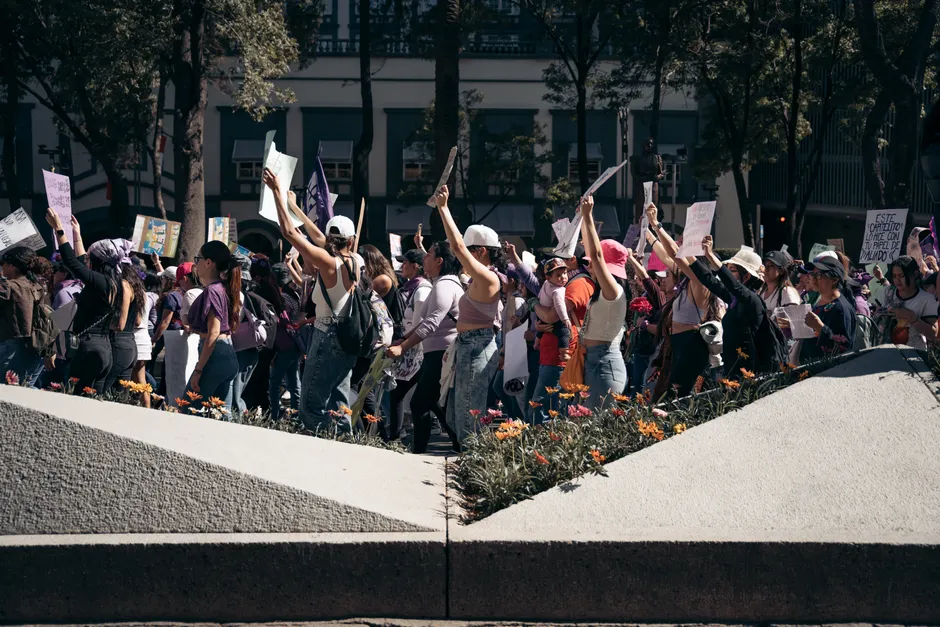
The political mechanics at play involve two distinct theaters of pressure. The nationwide protests provide street-level political momentum for the demand to dismiss the minister. Simultaneously, the CJP's direct meeting with Pradhan and its subsequent public restatement of the "non-negotiable" demand represent an institutional pressure track aimed at the minister himself. By maintaining the focus on Pradhan's resignation, the CJP is applying concentrated political pressure on the executive chain of command, testing the political cost-benefit analysis of retaining the embattled minister. The party is not simply protesting policy; it is targeting individual ministerial accountability, a tactic that forces the Prime Minister into a binary choice between protecting a cabinet member and addressing the opposition's specific demand.
For Modi's administration, the refusal to dismiss Pradhan follows a pattern of retaining ministers facing public and political opposition. Al Jazeera's reporting places this decision within this broader framework, suggesting the Prime Minister's approach is calculated to project administrative stability and resist pressure-driven reshuffles. By declining to remove Pradhan, the administration signals confidence in its minister and its policy direction, prioritizing executive authority over immediate concession to protest demands. This approach carries inherent political risk, however, as sustained protests could transform ministerial accountability into a broader referendum on government responsiveness. The calculation appears to be that the political cost of retaining Pradhan is lower than the institutional cost of appearing to capitulate to protest demands.
The CJP's insistence on the "non-negotiable" nature of the demand sets a high bar for any future political negotiation or compromise. By publicly defining the resignation as a precondition rather than an agenda item, the party has constrained its own room for maneuver. This rhetorical position forces a zero-sum political calculus. The CJP's approach reflects a strategy of escalation: meeting the executive's refusal with an unbending demand rather than exploring alternative accountability mechanisms. This maximalist stance is a high-risk, high-reward proposition for the party, as it either forces the executive to capitulate or necessitates the CJP finding a face-saving exit from a demand it has declared non-negotiable.
Looking at what this means for the Union education ministry, the immediate operational consequence is a leadership operating under sustained political siege. With the Prime Minister publicly backing Pradhan, the minister retains the political authority to govern, but the ongoing protests and the CJP's direct challenge consume political bandwidth and attention. The focus on Pradhan's tenure also threatens to overshadow the policy controversies that ignited the protests in the first place, shifting the political debate from substantive education policy reform to a personnel dispute. The broader context here is a classic political dynamic: a government attempting to wait out public pressure while an opposition party attempts to sustain momentum long enough to force an executive concession. The outcome will likely hinge on which side's political capital outlasts the other's in this test of endurance.
The trajectory of this confrontation will depend heavily on the staying power of the nationwide protests and the CJP's capacity to maintain political pressure without fatigue. Modi's pattern of resisting opposition demands for dismissals suggests the executive will continue to hold the line, forcing the CJP to either escalate its tactics or risk losing political momentum. The "non-negotiable" framing creates a high-stakes standoff where both sides have limited room for compromise. If the protests wane, the CJP's demand may lose its political weight, leaving the party isolated in its maximalist position. If they intensify, the Prime Minister's calculation regarding the political cost of retaining Pradhan may shift, potentially altering the executive's strategic calculus.