France Evacuates 4,000 Near Lacanau as Gironde Wildfire Scorches 42,000 Hectares

On 28 July 2026, French authorities issued a precautionary evacuation order for nearly 4,000 people from campsites, holiday villages, and tourist accommodations around Lacanau, west of Bordeaux, as wildfires continued to burn across the Gironde department The Guardian.
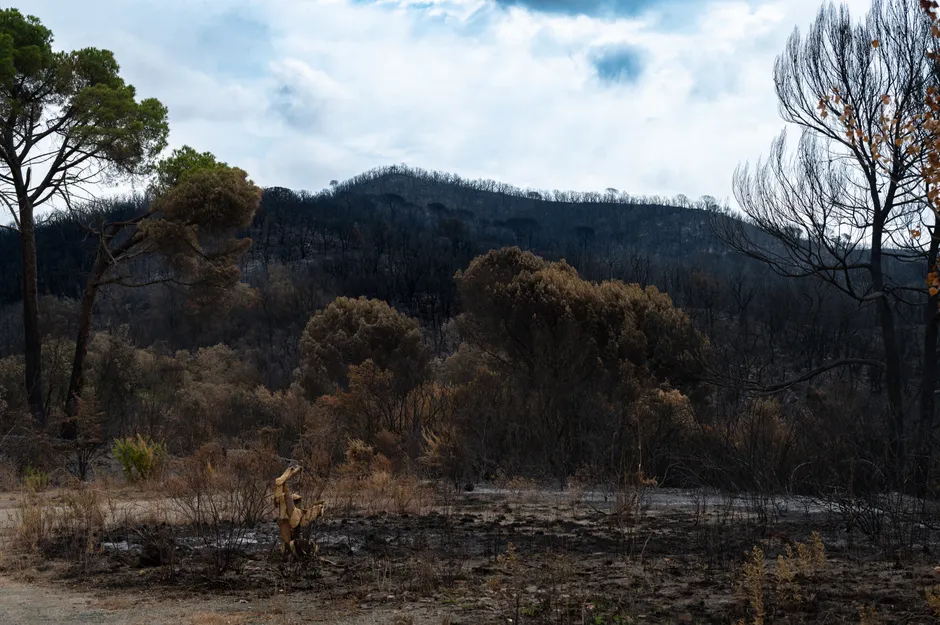
The blaze, designated the "Incendie de Saumos" by the Préfecture de la Gironde, had destroyed 42,000 hectares (104,000 acres) of forest as of 28 July The Guardian. Rémi Lassoureille, a fire commander in the Gironde department, told Le Monde that the evacuation was ordered because firefighters feared a potential flare-up on the wildfire's north-west flank toward Lacanau. Lassoureille described the blaze as "relatively under control" but emphasized the precautionary nature of the evacuation given the flare-up risk The Guardian.
French President Emmanuel Macron visited a crisis centre in Bordeaux on 28 July and characterized the wildfire emergency as the "toughest" situation France had faced "since the second world war" The Guardian.
The evacuation around Lacanau follows a series of earlier displacements across Gironde. According to the Préfecture de la Gironde's situation update of 22 July, the Porge Nord-Est quarter was evacuated, with 3,500 people redirected to the commune of Lacanau, involving 600 vehicles Préfecture de la Gironde. By 24 July, the prefecture confirmed multiple reception centers remained open across the communes of Lège-Cap-Ferret, Lacanau, and Le Porge to welcome evacuees Préfecture de la Gironde. The prefecture published a further situation update on the Saumos fire at 14h00 on 27 July Préfecture de la Gironde.
The scale of displacement across the department during the July 2026 wildfires has been substantial. A total of 200,000 people were evacuated from their homes across Gironde, according to reporting from 25 July CNN. More than 1,200 gendarmes were mobilized across the Gironde and Landes departments during the Nouvelle-Aquitaine wildfire response Gendarmerie Nationale.
The broader context here is a wildfire season of exceptional severity in south-western France. Macron's invocation of the Second World War as a comparative benchmark is notable for what it signals about the political and institutional framing of the crisis. It elevates the emergency from a seasonal disaster-management challenge to something approaching a national security posture, which carries implications for resource allocation, inter-agency coordination, and the legislative agenda when the French parliament reconvenes.
For operational planners and emergency management professionals, the sequence of evacuation orders from 22 July through 28 July illustrates a layered, precautionary approach. Authorities have repeatedly displaced populations in advance of projected fire-spread trajectories rather than in response to active fire incursion into populated areas. Lassoureille's characterization of the fire as "relatively under control" while simultaneously ordering 4,000 additional evacuations captures the operational tension: containment lines can hold while remaining vulnerable to wind-driven flare-ups that could rapidly compromise civilian safety corridors.
The mobilization of over 1,200 gendarmes across two departments signals a multi-jurisdictional response that extends well beyond municipal fire services. With 200,000 cumulative evacuees across Gironde, the logistical footprint of reception, sheltering, and eventual re-entry operations is considerable. The sustained activation of reception centers across three communes over multiple days indicates that return has been gated by ongoing fire behavior rather than calendar-driven planning.
Looking ahead, the 42,000-hectare burn scar presents a post-fire recovery challenge that will extend well beyond the acute emergency phase. Soil stabilization, reforestation planning, and the economic impact on a tourism-dependent coastal economy will all require sustained institutional attention. The precedent set by Macron's rhetoric, if it translates into policy, could reshape France's wildfire preparedness architecture for seasons to come.