Waymo Expands Fleet Strategy with Purpose-Built Zeekr Vehicles for Autonomous Ride-Hailing

Waymo Expands Fleet Strategy with Purpose-Built Zeekr Vehicles for Autonomous Ride-Hailing
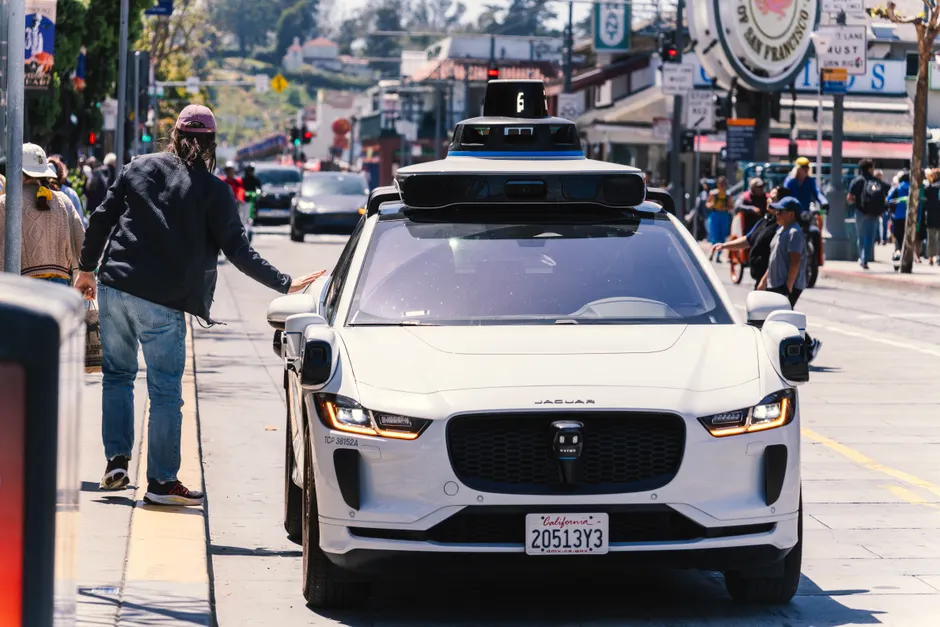
Waymo has partnered with Chinese automaker Geely to integrate its Waymo Driver autonomous vehicle technology into an all-electric Zeekr vehicle specifically designed for autonomous ride-hailing operations. The Waymo-Geely partnership marks a strategic shift toward purpose-built hardware platforms rather than retrofitting existing consumer vehicles for autonomous taxi service.
The Zeekr vehicle, developed in Sweden, is optimized for transportation-as-a-service (TaaS) applications rather than traditional consumer ownership models. Waymo plans to deploy these fully autonomous, all-electric vehicles within its Waymo One fleet on U.S. roads in the coming years, expanding the operational footprint that currently spans Phoenix, San Francisco, Los Angeles, and Miami through its publicly available ride-hailing service.
Purpose-Built Platform Strategy
The Zeekr collaboration represents a departure from Waymo's historical approach of adapting consumer vehicles like the Chrysler Pacifica for autonomous operation. By working with Geely from the ground up, Waymo gains access to a vehicle architecture designed specifically for high-utilization ride-hailing scenarios, including considerations for passenger comfort, maintenance accessibility, and operational durability that differ significantly from personal-use vehicles.
The Swedish design and engineering effort reflects Geely's global development capabilities, leveraging the automaker's experience in both traditional automotive manufacturing and emerging mobility platforms. For Waymo, this partnership provides manufacturing scale and international automotive expertise while maintaining control over the critical autonomous driving technology stack.
Fleet Economics and Scale Considerations
The move toward purpose-built vehicles addresses several operational challenges that have emerged as Waymo scaled its commercial service. Traditional consumer vehicles require extensive modification to integrate sensor arrays, compute hardware, and backup safety systems, creating manufacturing complexity and potential single points of failure. A ground-up design allows for optimized placement of LIDAR, cameras, and radar systems while reducing retrofit costs and improving reliability.
All-electric propulsion aligns with both regulatory trends and operational economics for high-mileage fleet vehicles. Electric drivetrains typically offer lower per-mile operating costs and reduced maintenance requirements compared to internal combustion engines, particularly relevant for vehicles operating continuously rather than sitting idle in driveways.
Looking at the broader autonomous vehicle deployment pattern, we have seen this progression before when ride-hailing operators moved from driver-owned vehicles to purpose-built fleet platforms. Uber and Lyft both evolved beyond relying on personal vehicles as their services matured and scale economics became paramount. Waymo's shift toward dedicated hardware follows a similar trajectory, optimizing for operational requirements rather than consumer preferences.
Technology Integration and Deployment Timeline
The Waymo Driver technology stack encompasses the sensor suite, machine learning models, and decision-making algorithms that enable fully autonomous operation without human oversight. Integrating this technology into the Zeekr platform requires coordination between Waymo's perception and planning systems and Geely's vehicle control interfaces, power management, and safety architectures.
Waymo's existing operational data from its current fleet provides validation for autonomous system performance across diverse urban environments and traffic conditions. The company has accumulated millions of autonomous miles through its existing Waymo One service, generating the training data and edge-case scenarios necessary to refine its technology stack before deploying new vehicle platforms.
The timeline for U.S. deployment remains undefined beyond "in the years to come," suggesting a measured approach to vehicle testing, regulatory approval, and manufacturing ramp-up. Autonomous vehicle regulations continue evolving at both federal and state levels, with different requirements across Waymo's current operational territories.
Market Positioning and Competition
Waymo operates in an increasingly competitive autonomous vehicle landscape, with companies like Cruise, Aurora, and international players including Baidu and WeRide pursuing similar commercial deployments. The partnership with Geely provides Waymo access to automotive manufacturing capabilities and potential international markets while maintaining its focus on software and sensor technology development.
The TaaS optimization represents a bet on autonomous vehicles transforming urban transportation through shared mobility rather than individual ownership. This positioning aligns with projections from multiple industry analysts who anticipate autonomous ride-hailing preceding widespread consumer adoption of self-driving personal vehicles.
Geely brings manufacturing scale and automotive systems expertise to the partnership, along with potential access to international markets where the Chinese automaker operates. For Geely, the collaboration provides entry into the autonomous vehicle technology space and association with one of the most advanced self-driving companies globally.
Operational and Regulatory Context
Waymo's current service areas represent a testing ground for autonomous vehicle technology across different regulatory environments and traffic patterns. Phoenix provided the initial proving ground with favorable weather and relatively straightforward road layouts, while San Francisco and Los Angeles present more complex urban scenarios with dense traffic, pedestrians, and varied weather conditions.
The expansion to Miami adds another geographic and regulatory data point, helping validate technology performance across different state frameworks and driving cultures. Each new market provides additional training scenarios for machine learning models and operational experience for fleet management systems.
In my view, the purpose-built vehicle strategy positions Waymo for eventual scale beyond its current pilot markets, but success depends on demonstrating economic viability and regulatory acceptance across diverse operational environments. The automotive industry has consistently underestimated the complexity of autonomous vehicle deployment, and hardware platform optimization represents just one component of the broader challenge.
The Zeekr partnership ultimately reflects Waymo's evolution from a research project into an operational transportation service, with the associated focus on manufacturing efficiency, operational reliability, and commercial sustainability that such a transition requires.