Ceuta Migrant Crisis: 67 Dead, Spain Blames Traffickers and Points Fingers at Israel and the US

Spain declared on August 1, 2026 that the migrant crisis in its North African enclave of Ceuta was back under control, with most of the more than 50,000 migrants who crossed its borders having voluntarily returned to Morocco. The death toll, confirmed the same day by the Spanish government, climbed to 67 — up from 57 reported by July 31. Spain recovered 57 bodies on the Spanish side of the border alone, some of whom drowned and some of whom were crushed during the mass crossing. By the time authorities asserted control, an estimated 48,300 migrants had returned to Morocco.
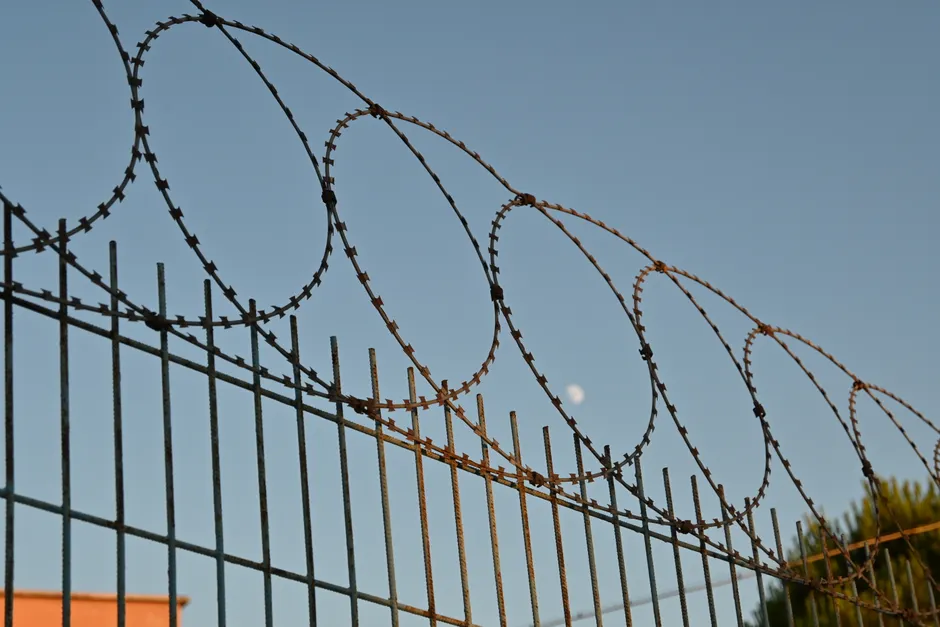
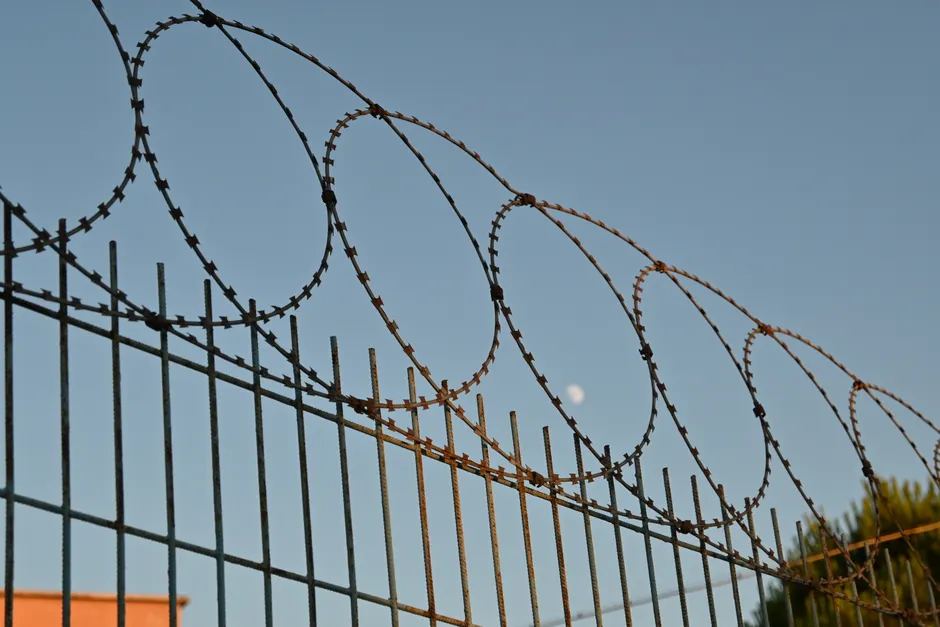
Tens of thousands of people crossed into Ceuta on a Thursday and continued arriving overnight into Friday, according to Al Jazeera. The scale of the surge overwhelmed Ceuta's formidable border infrastructure — high fences, surveillance systems, and a permanent deployment of Spain's Civil Guard and National Police — despite those measures being among the most heavily fortified on the EU's external frontier. Ceuta and Melilla are the only two land borders between the European Union and Africa, and the only remaining European-held territories on the African mainland after decolonisation.
Authorities in Ceuta linked the migrant surge to a Spanish Supreme Court ruling published on July 8 that barred authorities from immediately returning migrants who arrive by sea. That ruling, however, does not apply to migrants who enter Spain by land, including by climbing over the border fence. Spanish journalist Ignacio Cembrero told AFP that the court ruling played a role but did not explain the level of mobilisation observed. Spanish Prime Minister Pedro Sánchez blamed human trafficking networks for exaggerating the significance of the ruling to convince migrants to participate in a mass, coordinated surge into Ceuta.
The crisis has also pulled in geopolitical threads well beyond migration management. Spain blamed Israel and the United States for the Ceuta crisis, alleging that their tensions with the Sánchez government and close ties with Morocco lay behind the surge, according to Israel Hayom. Spanish politicians and commentators accused Israel of stirring chaos over the migration crisis, as reported by Anadolu Agency. Israeli diplomat Danny Danon and Spanish Transport Minister Óscar Puente exchanged barbs over claims related to the crisis, further fraying an already strained bilateral relationship.
The broader context here is a long and fraught sovereignty dispute between Madrid and Rabat. Morocco does not recognise Spanish sovereignty over Ceuta and Melilla, regarding them as occupied territory. Ceuta first came under Portuguese rule in 1415, became part of Spain in 1580, and remained under Spanish sovereignty after Portugal regained independence in 1640. The dispute intersects with the Western Sahara question: Morocco asserts sovereignty over Western Sahara, a former Spanish colony it annexed in 1975, while the Indigenous inhabitants, represented by the Polisario Front, seek independence.
This is not the first time migration pressure on Ceuta has served as a pressure point in the Spain-Morocco relationship. In April 2021, Madrid allowed Polisario Front leader Brahim Ghali to be treated in a Spanish hospital for COVID-19, infuriating Morocco, which regards him as a criminal. Morocco recalled its ambassador from Madrid and appeared to loosen border controls in May of that year, allowing roughly 10,000 migrants to enter Ceuta. In 2022, Spain restored full diplomatic relations with Morocco after reversing its four-decade policy of supporting self-determination for the people of Western Sahara and instead backing Moroccan sovereignty over the territory.
That policy reversal, while stabilising relations at the bilateral level, did not resolve the structural fragility of the Ceuta border. The 2021 precedent — in which Rabat appeared to weaponise border permeability — casts a long shadow over the current crisis. Whether Moroccan authorities facilitated or merely tolerated this week's surge remains a question Madrid has not definitively answered, though the Spanish government's decision to direct blame toward Israel and Washington, rather than Rabat, is itself a diplomatic signal worth noting. It suggests Madrid is calibrating its response to avoid a repeat of the 2021 rupture, while channeling frustration toward actors it views as having emboldened Morocco through broader strategic alignment.
For the European Union, the crisis reiterates the enduring vulnerability of its southernmost land border. Ceuta's geography — a small peninsula connected to Morocco by a narrow isthmus — makes it inherently difficult to seal, and the distinction drawn by the Supreme Court between sea and land arrivals creates an exploitable legal asymmetry that trafficking networks can leverage. The 67 deaths, whether by drowning or crushing, underscore the human cost of that vulnerability. As voluntary returns conclude and the enclave returns to a tense calm, the underlying drivers — disputed sovereignty, strategic rivalry, and the legal ambiguities of Europe's border regime — remain unresolved.