WHO Declares Ebola Emergency as DRC Outbreak Spreads to Uganda

WHO Declares Ebola Emergency as DRC Outbreak Spreads to Uganda
The World Health Organization has declared an epidemic of Ebola disease in the Democratic Republic of the Congo and Uganda a public health emergency of international concern, marking a significant escalation in the response to an outbreak that has now crossed international borders. The declaration comes as the outbreak, confirmed in northeastern DRC's Ituri Province on May 15, 2026, has expanded beyond initial containment efforts.
Laboratory analysis by the National Institute of Biomedical Research confirmed Ebola in 8 of 13 samples collected from suspected cases in the Mongbwalu and Rwampara health zones of Ituri Province. The outbreak is caused by the Bundibugyo species of Ebolavirus, a strain for which no approved treatment or vaccine currently exists.
Scale and Geographic Spread
Current WHO figures indicate more than 500 suspected cases including 130 suspected deaths, though only 30 cases have been laboratory-confirmed. The outbreak has now reached North Kivu province, with confirmed cases in the commercial hubs of Butembo and Goma. This geographic expansion represents a critical development, as these urban centers serve as major trade corridors connecting eastern DRC to regional markets.
WHO Director-General Tedros Adhanom Ghebreyesus has characterized the situation as a "catastrophic collision of disease and conflict", highlighting the operational challenges posed by ongoing insecurity in the region. The outbreak likely began two months before detection, according to WHO epidemiological assessments, suggesting significant undetected transmission chains.
Operational Response Framework
WHO has deployed a mission including the organization's country representative Dr. Anne Ancia and emergency preparedness teams to support provincial authorities with outbreak investigations. The response includes rushing additional testing kits to eastern DRC to accelerate case identification and confirmation processes for the Bundibugyo strain.
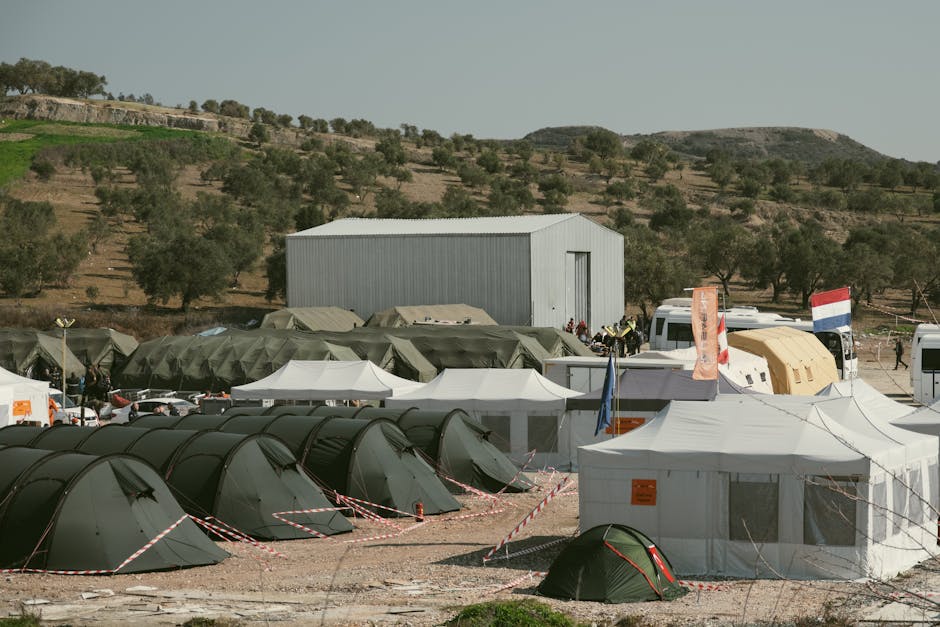
The Democratic Republic of Congo will establish three Ebola treatment centers in Ituri Province. The European Union has provided material support including masks, gloves, boots, and medications to combat operations in Bunia. Local authorities have implemented containment measures including bans on funeral wakes and gatherings exceeding 50 people.
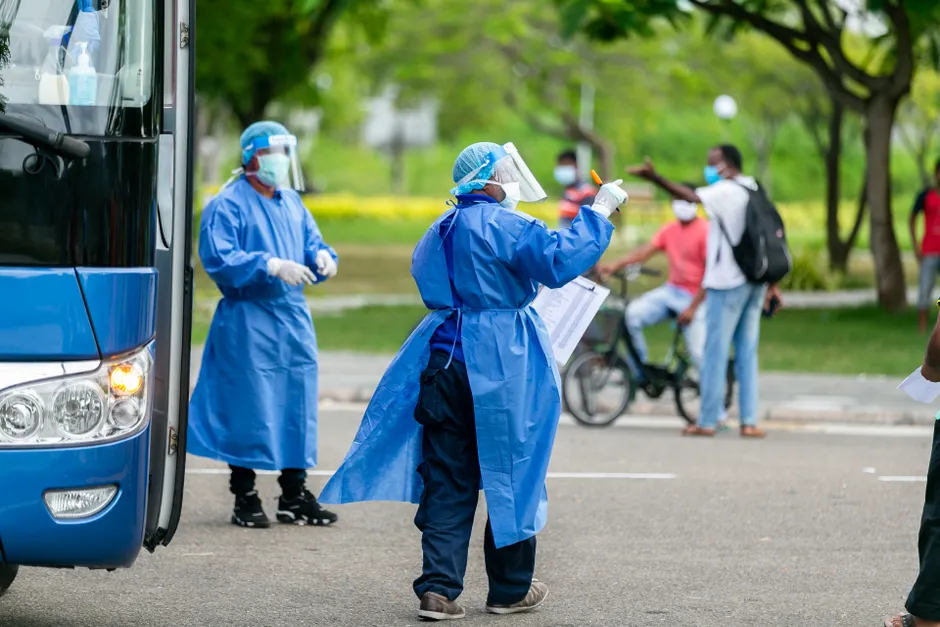
A particular concern for response teams involves suspected Ebola patients who have mixed with general populations at regional hospitals before isolation protocols could be implemented. This pattern of healthcare facility transmission has historically complicated outbreak containment in eastern DRC's fragmented health system.
Concurrent Outbreak Context
This emergency declaration encompasses two distinct Ebola outbreaks currently active in DRC. A separate outbreak in Kasaï province, declared on September 4, 2025, involves the Zaire strain of Ebolavirus and has prompted establishment of a treatment center in the remote Bulape Health Zone. The simultaneous management of two geographically separate outbreaks with different viral strains presents unprecedented logistical challenges for national and international response coordination.
The broader epidemiological picture reflects DRC's endemic vulnerability to filovirus emergence. Since 1976, the country has recorded 15 Ebola outbreaks, with the most recent concluded outbreak ending on September 27, 2022. The current situation marks the country's 16th and 17th documented Ebola events.
Security and Access Constraints
Eastern DRC's security environment significantly complicates outbreak response. During the 2018-2020 Ebola outbreak in the region, hundreds of health centers were attacked by armed groups and angry civilians, disrupting vaccination campaigns and contact tracing efforts. Some suspected cases have been reported in rebel-held areas, creating additional access barriers for response teams.
These security dynamics create a feedback loop where disease surveillance gaps enable viral transmission, while community distrust of health interventions undermines containment measures. The pattern recalls the operational challenges that prolonged the 2014-2016 West Africa outbreak, where social resistance intersected with weak health systems to enable sustained transmission.
Looking at the regional implications, the cross-border nature of this outbreak activation triggers enhanced surveillance protocols across Central and East Africa. Uganda's inclusion in the emergency declaration reflects both confirmed spillover and the epidemiological reality that eastern DRC's porous borders facilitate population movement that can carry pathogens across international boundaries.
International Monitoring
The CDC has confirmed no suspected, probable, or confirmed Ebola cases related to the DRC outbreak have been reported in the United States. The agency, which established its DRC office in 2002, continues monitoring through its global health security architecture. UNICEF has mobilized infection prevention and control activities, water and sanitation support, and community mobilization efforts as part of the coordinated response framework.
The public health emergency designation activates international coordination mechanisms and potentially accelerates funding flows to affected regions. However, the Bundibugyo strain's lack of approved therapeutic interventions limits immediate medical countermeasures, placing greater emphasis on traditional public health containment strategies including case isolation, contact tracing, and community engagement protocols.
Risk Assessment Evolution
WHO has assessed the outbreak as posing "very high" risk at the national level, reflecting both the viral strain's pathogenicity and the operational constraints imposed by regional instability. The emergency declaration signals international recognition that containment efforts require enhanced resources and coordination mechanisms beyond standard outbreak response protocols.
The declaration's timing, coming approximately three weeks after initial confirmation, suggests rapid epidemiological assessment concluded that standard containment measures faced significant implementation barriers. This timeline contrasts with previous outbreak responses where emergency declarations followed months of unsuccessful containment efforts, indicating potentially improved international early warning systems.