Why a New Ebola Outbreak in Congo Is Harder to Stop

Why a New Ebola Outbreak in Congo Is Harder to Stop
The World Health Organization has declared the highest level of alert — called a Public Health Emergency of International Concern — for an Ebola outbreak in a region of eastern Congo called Ituri province. As of May 2026, more than 500 suspected cases had been recorded, according to AP News.
What makes this alert significant is that it signals the virus could spread across borders and requires countries worldwide to coordinate a response. But there's a problem: the outbreak went undetected for weeks before anyone knew what they were dealing with.
The Diagnostic Mix-Up
Doctors initially tested for the two most common types of Ebola virus — Sudan and Zaire — because those are the strains that have caused outbreaks in Congo before. The tests came back negative. Only later, through more detailed genetic testing, did scientists discover the actual culprit: Bundibugyo virus, a different Ebola species that was first identified in Uganda in 2007.
This matters because the delay meant the virus spread to multiple communities before anyone knew to sound the alarm. It's like searching for your keys in the kitchen when they were actually in the bedroom the whole time — by the time you figure out where to look, precious time has passed.
Why This Particular Virus Is Complicated
Bundibugyo is a real threat. When it first appeared in Uganda in 2007, it killed roughly one in four people who caught it. That's serious, but it's not quite as deadly as the Zaire strain, which caused the catastrophic West Africa outbreak of 2014–2016.
However, here's the catch: the medicines and vaccines that saved lives in recent Congo outbreaks were specifically designed to fight the Zaire strain. The antibody drugs called mAb114 and REGN-EB3 don't work as well against Bundibugyo. Neither does Ervebo, the main vaccine used to protect people in Congo.
This means doctors and public health teams are working with fewer tools than they had before. Instead of relying on vaccines and medicines, they will need to depend more heavily on older methods: finding people who've had contact with sick patients, isolating them, and getting communities to trust the response — all difficult tasks in a war-torn region.
The Geography Problem
Ituri province is not a neutral location. Armed groups have operated there for years. Much of the health system is weak. Many people have lost trust in institutions after years of violence and chaos.
This is a pattern we've seen before. In 2018, when Ebola broke out in a neighboring part of Congo, the combination of active conflict, community mistrust, and limited access meant the outbreak infected more than 3,400 people over two years — the second-largest Ebola outbreak in recorded history. The conditions in Ituri today look very much the same. Adding a virus that doctors can't fight with their proven vaccines and medicines makes an already difficult situation harder.
What the WHO Is Doing
The head of the World Health Organization traveled to Bunia, the main city in Ituri province, on May 28–29, 2026, according to AP News. When the top leader of a global health organization visits an outbreak site, it's a signal that the world is paying attention and mobilizing resources. It puts pressure on governments and donors to act quickly.
The emergency declaration also formally activates international obligations. Countries are required to strengthen their disease surveillance systems. The WHO can issue travel and trade recommendations. Funding mechanisms are triggered to help pay for response efforts.
But declarations alone don't automatically translate into rapid aid. History shows that money and resources sometimes flow slowly, even after the highest alert is issued.
A Broader Pattern Worth Watching
The diagnostic delay in Ituri highlights a real gap in outbreak preparedness. When health systems operate with limited resources, doctors test for the most likely culprits first. That's logical, but it creates a blind spot. If an uncommon virus shows up, standard tests will miss it.
The more important point: when doctors see patients with unexplained bleeding and fever in a war zone, and initial tests are negative, they should be able to quickly run genetic tests that can identify any virus in the Ebola family — not just the expected ones. Many places in Congo don't have that capacity yet. Building it costs money, but the alternative is what we're seeing now: weeks of undetected spread.
What Happens Next
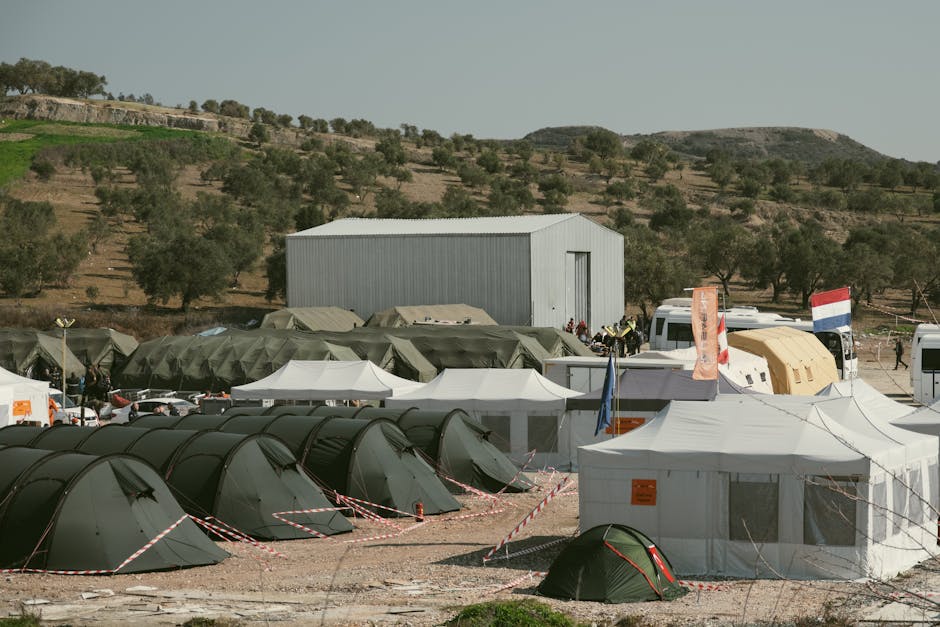
The immediate focus is stopping the outbreak in Ituri: setting up treatment centers, finding and isolating people who've been exposed, and persuading armed groups to allow aid workers access to affected areas. Public health teams are also talking to vaccine developers about getting experimental Bundibugyo vaccines to Congo as quickly as possible, even if they haven't completed final testing.
The emergency declaration also means neighboring Uganda and South Sudan will be increasing checks at their borders with Ituri. People move across those borders regularly, and that's how the original Bundibugyo virus spread from Uganda to Congo in 2007.
The 500 cases counted in May represent what was known at that moment. Given the weeks it took to identify the virus, the real number is likely higher. In the coming weeks, all eyes will be on whether new cases are rising or falling. That number will tell us whether containment efforts are working.