Ebola Outbreak Spreads in Congo: What's Happening and What Comes Next
Ebola Outbreak Spreads in Congo: What's Happening and What Comes Next
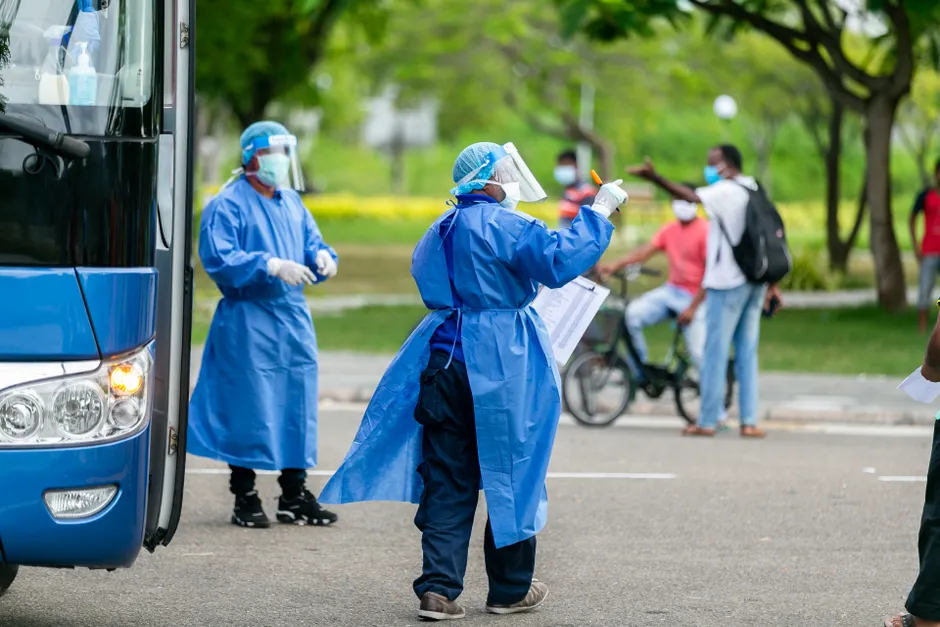
The Democratic Republic of the Congo is dealing with an Ebola outbreak that has sickened 515 people and killed 91 as of early June 2026, according to WHO Disease Outbreak News. The virus causing it is called Bundibugyo virus, one of six known types of Ebola. It has appeared only twice before — in Uganda in 2007 and in the eastern DRC in 2012.
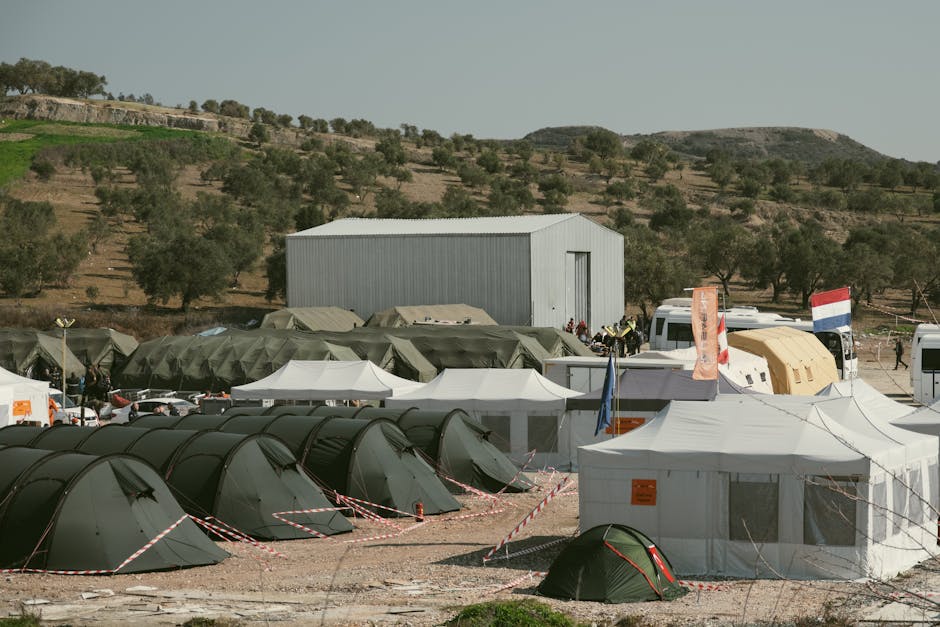
The outbreak is concentrated in Ituri Province in the northeast. This is the same region hit hard by a larger Ebola outbreak from 2018 to 2020. The area is remote, lacks good roads and hospitals, and is unstable due to armed groups. All of this makes stopping the disease harder.
How Fast Did This Become an Emergency?
The World Health Organization moved quickly. On May 16, there were only eight confirmed cases, but doctors suspected 246 more. Within one day, WHO declared this a Public Health Emergency of International Concern — the highest warning the organization can sound. They also confirmed cases had crossed the border into Uganda.
This speed matters. In the past, WHO took months to raise the alarm. During the 2014 West Africa outbreak, it waited roughly five months. During the 2018 Congo outbreak, it didn't declare a global emergency even though the disease lasted nearly two years. This time, a faster response reflects lessons learned and new rules adopted in 2024.
The number of confirmed cases jumped from 246 suspected to 515 confirmed in just three weeks. This is normal for outbreaks: when response teams and laboratories arrive, they catch cases that were hiding in remote areas. The official death rate is about 18 percent — much lower than the 40 to 90 percent seen with other types of Ebola, though that number could change as more cases are documented.
The Challenge: No Matching Vaccine
On June 5, African and World Health organizations launched a six-month response plan. They're calling it the "One Response" approach — one unified command structure instead of the fragmented efforts that slowed the 2018 outbreak.
The timing is tight. The rainy season starts soon, which will make roads impassable and damage the cold chains that keep vaccines and samples viable. Here's the problem: there is no vaccine for Bundibugyo virus. The main Ebola vaccine (called Ervebo) works against other strains but not this one. Experimental vaccines are still being tested.
This is the 17th Ebola outbreak in Congo's recorded history. The country sits in a region where the virus lives naturally in animals — likely fruit bats and other wildlife. The health system has struggled to improve between outbreaks, and the geography of Ituri makes it especially hard to reach people and track the disease.
The response team is better organized than it was in 2018. National laboratories, WHO staff, and now an African Union health agency are coordinating. Whether that's enough to contain an outbreak of this size in rough terrain, without a vaccine that works for this strain, will become clear in the coming months.