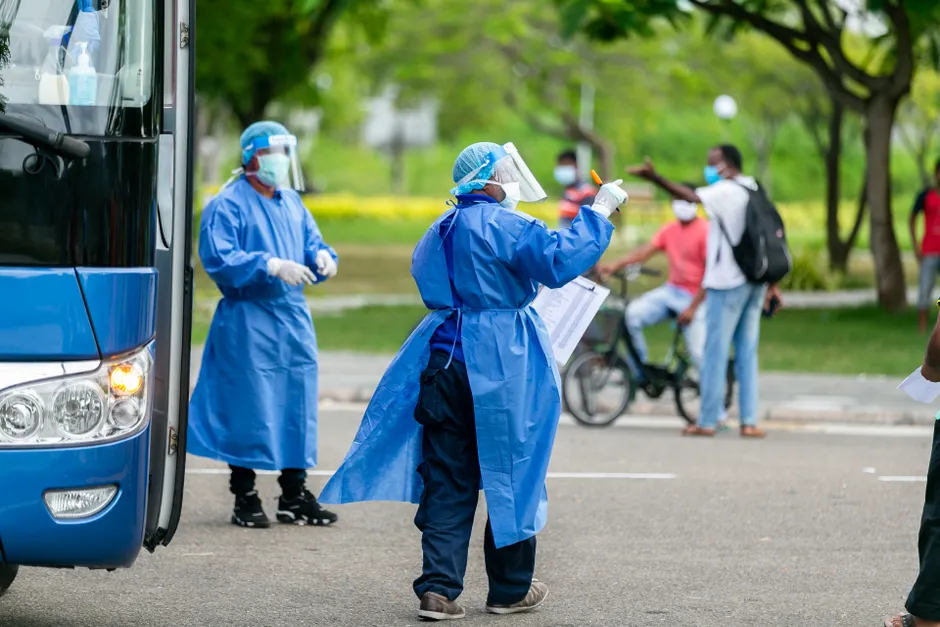
A New Ebola Outbreak in Congo: What We Know Right Now
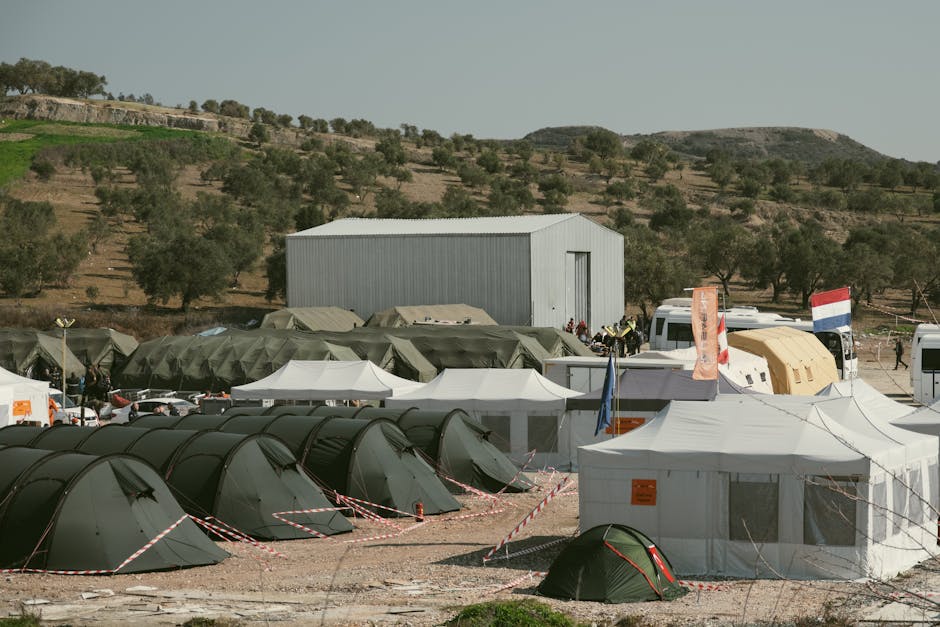
A New Ebola Outbreak in Congo: What We Know Right Now
The Current Numbers
As of early June 2026, the Democratic Republic of Congo is dealing with its seventeenth Ebola outbreak on record. According to the WHO Disease Outbreak News, there are 515 confirmed cases and 91 confirmed deaths. That works out to a death rate of about 18 percent among confirmed cases — meaning roughly 1 in every 5.5 people who test positive for the virus.
But there's a catch. The actual number of suspected cases is much higher. A statement from the DRC health ministry reported 867 suspected cases and 204 suspected deaths across three provinces. The gap between what's confirmed in a lab and what's suspected in the field tells us something important: it's hard right now to test people quickly enough to know the true size of the outbreak.
The virus involved here is called Bundibugyo ebolavirus. In the past, Bundibugyo outbreaks have killed between 25 and 36 percent of confirmed cases. This one's death rate of 18 percent is lower — though that could change as more cases get confirmed.
How Fast Is It Spreading?
The outbreak is growing. In mid-May, there were only about 8 confirmed cases in Ituri Province. Within three weeks, that number had climbed to over 500 confirmed cases across the affected areas. That's roughly a four-fold jump in confirmed cases in just ten days — a sign that either transmission is accelerating, or hospitals and labs are catching up on testing, or both.
More recently, the outbreak has crossed a border. The European Centre for Disease Prevention and Control confirmed that Uganda now has cases as well. That makes the response more complicated because two countries have to coordinate.
What Does "Global Health Emergency" Actually Mean?
On May 15, 2026, the World Health Organization's director-general used a legal power called Article 12 of the International Health Regulations to declare this a "Public Health Emergency of International Concern," or PHEIC. This is the highest alert level available.
A PHEIC is not a travel ban or lockdown. What it actually does is unlock resources. When WHO makes this declaration, it triggers emergency funding pipelines, opens the door for donor countries to send aid faster, and creates legal obligations for countries to coordinate with each other. For Congo — which has had to rely heavily on international money to pay for contact tracing, vaccinations, and safe burial teams in past outbreaks — this declaration matters because it can speed up how quickly help arrives.
One thing worth noting: Congo finished dealing with its last Ebola outbreak in December 2025, just six months ago. Now there's a new one. This isn't unusual for eastern Congo. The region cycles through outbreaks rather than having long breaks between them. That pattern has deep roots in local ecology, health infrastructure, and ongoing armed conflict.
The Real Problem: Security
The most serious obstacle to controlling this outbreak is not the virus itself. It's armed groups.
Armed groups operating in the affected provinces are actively blocking health workers from doing their jobs, according to reporting from Al Jazeera and Reuters. This isn't new. During Congo's massive 2018–2020 Ebola outbreak — the second-largest on record — health workers faced sustained attacks. Some were killed. That outbreak lasted 22 months and required over $900 million in international funding before it ended.
Security problems hurt containment in three ways. First, at ground level: contact tracers and vaccination teams can't safely reach communities to isolate sick people, track who they've contacted, or arrange safe burials. Second, when people flee violence, they carry the virus to new areas, breaking the chain of contacts that vaccination relies on. Third, fighting makes it harder to transport test samples to labs, which widens the gap between suspected and confirmed cases and makes it harder for experts to understand who infected whom.
Bundibugyo may kill fewer people than the Zaire strain of Ebola — the one that drove the 2014–2016 West African epidemic. But it spreads just as easily through contact with infected blood and bodily fluids. In a war zone with weak testing capacity, that biological difference doesn't provide much comfort.
Why History Matters Here
We've seen this scenario before. The 2018–2020 outbreak, also in Ituri Province, was declared a PHEIC and also had to contend with armed groups throughout. Eventually, health workers deployed an experimental vaccine called rVSV-ZEBOV (brand name Ervebo) to vaccinate people who'd been in contact with the sick. That vaccine was designed for the Zaire strain specifically.
This outbreak is caused by Bundibugyo, a different strain. The vaccines being tested for Bundibugyo are still in earlier stages of development. That means one of the major tools that helped control the 2018–2020 outbreak — ring vaccination with a proven product — isn't available in the same way right now.
Congo has dealt with 17 recorded Ebola outbreaks since the virus was first identified in 1976 along the Ebola River. No country has borne this burden longer.
What Matters Over the Next Few Weeks
The next four to six weeks will tell us a lot. If confirmed cases keep rising faster than suspected cases get resolved, that might actually be good news — it could mean labs are testing more people, catching more cases. If suspected deaths keep climbing much faster than confirmed cases do, that's a red flag. It suggests people are dying without being tested, which means the outbreak is bigger and more widespread than we realize.
The fact that Uganda is now involved adds another layer of complexity. Uganda has better health infrastructure than eastern Congo and successfully contained Ebola in 2022, which is positive. But cases crossing the border make contact tracing much harder because health officials in two countries have to coordinate.
The real question now is whether the security situation will allow responders to work fast enough to stop transmission chains before they spread further. The tools and knowledge exist. The virus isn't the hardest part. Access and safety are.