What the 2014 Ebola Crisis Taught the World About Fighting Epidemics

What the 2014 Ebola Crisis Taught the World About Fighting Epidemics
The Ebola outbreak that spread across West Africa between 2014 and 2016 was much more than a tragedy — it became a real-world test of how well our global health systems actually work. More than 11,000 people died in Guinea, Sierra Leone, and Liberia. But the crisis also forced governments and health organizations worldwide to take a hard look at what they were doing right, what they were doing wrong, and what they needed to change.
The lessons learned then matter now, especially as health experts work to spot disease outbreaks faster and contain them before they spread.
How the Virus Got Ahead
The outbreak's early weeks showed one critical weak point: the speed of diagnosis. Research from the CDC found that doctors in Guinea took weeks to identify that the first cases were actually Ebola. At first, they looked like malaria or other common fevers in the region.
By the time anyone confirmed it was Ebola, the virus had already spread to neighboring countries. This wasn't bad luck — it was predictable. Health clinics in poorer countries often don't have the lab equipment to quickly tell Ebola apart from other serious fevers. Once a virus jumps from animals to humans, every day of delay gives it more time to spread to more people.
A Four-Part Response Plan
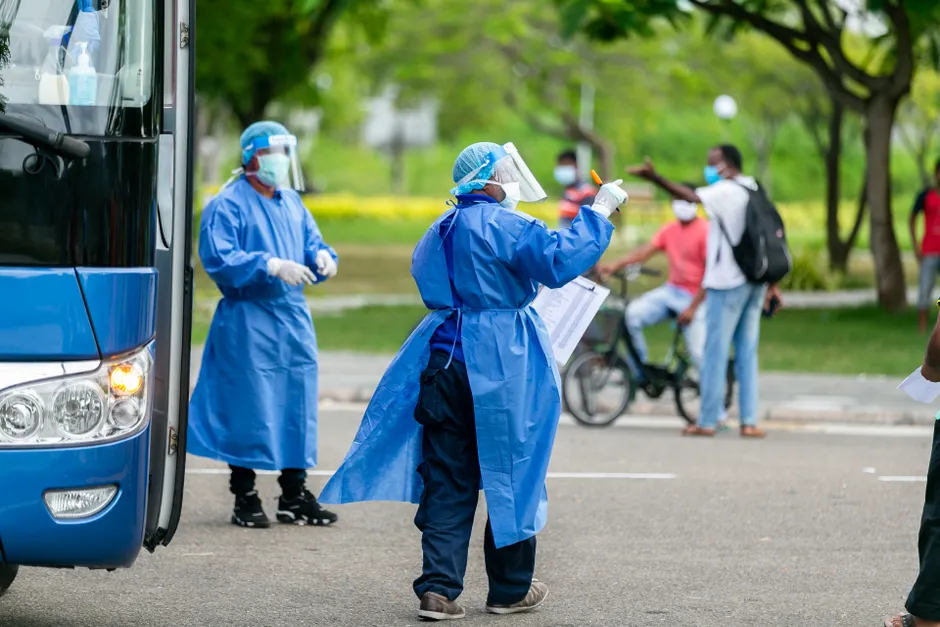
Once officials realized how serious the outbreak was, the CDC and the World Health Organization brought together health workers, governments, and international partners. They built their response around four key strategies.
First: isolate people who had Ebola so they couldn't infect others. Second: find everyone who had close contact with a sick person and watch them for symptoms. Third: give very careful medical care to sick patients — replacing lost fluids, managing electrolytes, treating complications — which kept more people alive long enough for their own immune systems to fight the virus. Fourth: change community behaviors.
That last piece was culturally sensitive and complex. In the affected region, tradition required families to touch and wash the bodies of the deceased. This was a perfect way for Ebola to spread. Stopping that required talking with communities and building trust, not just issuing orders from the capital.
This combination of steps isn't brand new — health experts had used it before. But executing it under real outbreak conditions, in unstable areas with limited resources, was extremely difficult.
A Major Innovation: Moving Power to the Ground
One of the most important changes to come out of the West Africa response was something called the RITE strategy — Rapid Isolation and Treatment of Ebola. The CDC documented how it worked in Liberia.
The problem RITE solved was this: outbreaks in remote areas usually depend on help from the capital city or from international teams. But it takes time for that help to arrive. By then, the virus has often spread further.
RITE pushed responsibility and training down to county health teams. Instead of waiting for experts from the capital, local doctors got the tools and authority to respond immediately. They could investigate cases, make decisions, and coordinate responses on their own.
This matters because when you move power closer to where the outbreak is actually happening, you move faster. Liberia's experience became a template that other African countries used in later outbreaks, including subsequent Ebola emergencies in the Democratic Republic of Congo.
The Race to Find a Vaccine
The epidemic also accelerated vaccine development in a remarkable way. A vaccine called ERVEBO, which targets the strain of Ebola that caused the West African outbreak, had been in development for over a decade before 2014. But nobody was paying for the expensive final testing phases — there was no commercial reason to spend millions on a vaccine for a disease that rarely occurred.
The outbreak changed that instantly. The Wellcome Trust invested over £41 million in Ebola research. ERVEBO was tested and deployed during the crisis itself, in a trial design called ring vaccination, which showed it worked well in real-world outbreak conditions.
There's a broader context here: this highlights a persistent problem in global health. Vaccines and treatments for rare but deadly diseases often get developed only after an outbreak forces money and attention toward them. That timing issue can be deadly. If an outbreak begins while a vaccine is still being tested, people die while waiting for protection to arrive.
Four Key Lessons for the Future
The full record of 2014–2016 offers clear guidance.
First: early detection is about more than just surveillance. It requires training clinic workers and installing testing equipment in local health centers. When doctors in remote areas can quickly identify Ebola (rather than treating it as malaria), containment can start days or weeks earlier.
Second: response capacity has to exist at the local level, not only in the capital. The RITE strategy proved this. International help takes time to deploy. Remote areas need trained teams and supplies ready to go before an outbreak starts.
Third: vaccine development can't wait for a crisis. ERVEBO arrived mid-pandemic because development had been stopped before. The global health community created CEPI — the Coalition for Epidemic Preparedness Innovations — in 2017 specifically to fund vaccine development before the next major outbreak occurs, not after.
Fourth: community trust and cultural understanding are not extras. They're core to an effective response. When a disease outbreak collides with how people bury their dead or care for the sick, solving the public health problem requires listening and sustained engagement with communities — not just giving orders.
The Work Continues
The gaps revealed by the West Africa epidemic have not been entirely fixed. Health systems in Guinea, Sierra Leone, and Liberia have improved, but not evenly. The Democratic Republic of Congo has faced multiple Ebola outbreaks since then, including one caused by a virus strain that the ERVEBO vaccine doesn't protect against.
Here's what matters most going forward: the tools and strategies developed during 2014–2016 — like RITE, ring vaccination, and better case management — genuinely work. But whether they'll be ready for the next outbreak depends on something the science alone can't guarantee: whether governments keep funding these systems and capabilities during the quiet years between crises, when disease isn't making headlines and budgets get cut.