A Deadly Strike Interrupts Peace Talks: What You Need to Know

A Deadly Strike Interrupts Peace Talks: What You Need to Know
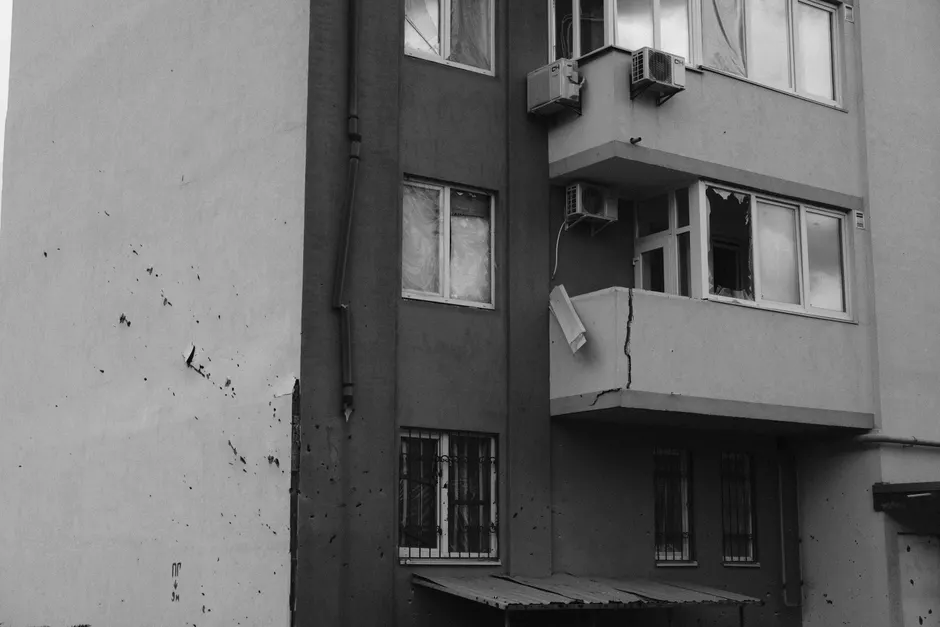
On Friday, December 19, 2025, an Israeli military strike hit a school being used as a shelter in Gaza City during a wedding celebration. At least six Palestinians were killed. The timing was jarring: as people were pulling bodies from the rubble, diplomats from Qatar, Egypt, Turkey, and the United States were sitting down in Miami to negotiate peace. Steve Witkoff, President Donald Trump's Middle East representative, was opening those talks.
This collision — violence on the ground, negotiations at the table — is not random. It is the core problem facing efforts to end this conflict right now.
Understanding the Ceasefire Deal
A ceasefire agreement started in October 2025, brokered by the United States. It is set up in phases, like steps in a staircase. Phase one covers the immediate needs: getting aid into Gaza, releasing prisoners, and stopping most fighting. The harder questions — what happens next, who will govern Gaza, how to rebuild — are supposed to come in later phases.
That is what the Miami talks were about: planning phase two and beyond.
Qatar, Egypt, and Turkey each play different roles. Qatar has close connections to Hamas's political leaders. Egypt controls the border and security at Gaza's southern edge. Turkey has strong ties to Hamas that give it influence. The United States is bringing all three countries together in one room instead of having separate meetings with each — a change in how these talks usually work.
The Question of Broken Agreements
The Gaza Government Media Office, which operates under Hamas, says Israel has violated the ceasefire hundreds of times since October 2025. Al Jazeera reported this claim directly from that source.
Here is why the source matters: the Gaza Government Media Office is not neutral — it is run by one side of this conflict, so its claims are political statements as well as factual records. That does not mean individual incidents like the wedding strike did not happen. Civilian deaths at shelters are well-documented. But the big number — "hundreds of violations" — comes from a party to the dispute, not an independent observer.
What is clear is the pattern: ceasefire agreements in Gaza rarely work like a clean on-off switch. They produce arguments over what is allowed, uneven enforcement, and ongoing incidents that each side explains differently. Israel says it targets Hamas fighters and bases, even when they are hidden in civilian buildings. Palestinian officials and international aid groups question whether these targeting decisions are fair and proportional.
Why a School Shelter Is the Problem
The December 19 strike hit a school that had become a shelter for civilians. This sits right in the middle of two big legal debates.
Under international law, civilian buildings like schools can lose protection if they are used for military purposes. But that has to be proven case by case. The party attacking has to show the evidence.
Gaza has so many people displaced that they have nowhere else to go. Hundreds of thousands are crowded into schools, hospitals, and mosques because there is simply no room elsewhere. This puts a humanitarian crisis and military law directly at odds. A wedding celebration at a shelter is not a military target. Whether anything else near that building was military-related — and what Israel says that was — is the question that will likely never be answered by the parties themselves.
Why Miami, Why Now
Talks about the Middle East usually happen in cities like Cairo, Doha, or Geneva. Miami is different. It suggests the negotiators wanted to keep things informal and out of the spotlight, even though they brought the main players to one table.
This has happened before. Peace talks in Norway in the 1990s also used informal settings to avoid the pressure of official summits. Back-channel talks can help people make decisions faster. But they can also mean the agreements are weaker and harder to stick to when it comes time to carry them out.
The strike on Gaza City the same day the talks opened might change the mood in the room. Diplomats are trained to separate battlefield events from negotiations — if they could not, peace talks would never happen during active conflicts. But delegates report back to their leaders, and leaders listen to what their people are saying. A strike on a wedding at a shelter is not something people ignore easily.
What Happens Next
Phased agreements have a predictable problem: phase one is usually easier than phase two. Phase one puts off the hardest questions: Who will run Gaza? What happens to Hamas's military? What about Israeli hostages still being held? How will Gaza be rebuilt? What is the future relationship between Gaza and any Palestinian government?
Each of these questions matters to people in Israel, in Palestinian politics, and in Qatar, Egypt, Turkey, and the United States. These groups do not agree, and some actively oppose each other.
The broader context here is why Witkoff and others are pushing hard in Miami. They want to build enough momentum on phase two so that walking away from the table costs more than staying at it. But that depends on things no one fully controls — the next strike, the next political statement, decisions made by Hamas leaders, choices by the Israeli government.
Ceasefire agreements in Gaza have fallen apart before, not because negotiators failed to do their jobs, but because events on the ground made it politically impossible for one side or the other to keep going.
Six people died at a wedding in Gaza on December 19. Diplomats are meeting in Miami to prevent more deaths. The distance between those two realities is what this conflict looks like right now — and it is not getting smaller anytime soon.