The U.S. and Japan Team Up to Boost the Yen — What It Means for You
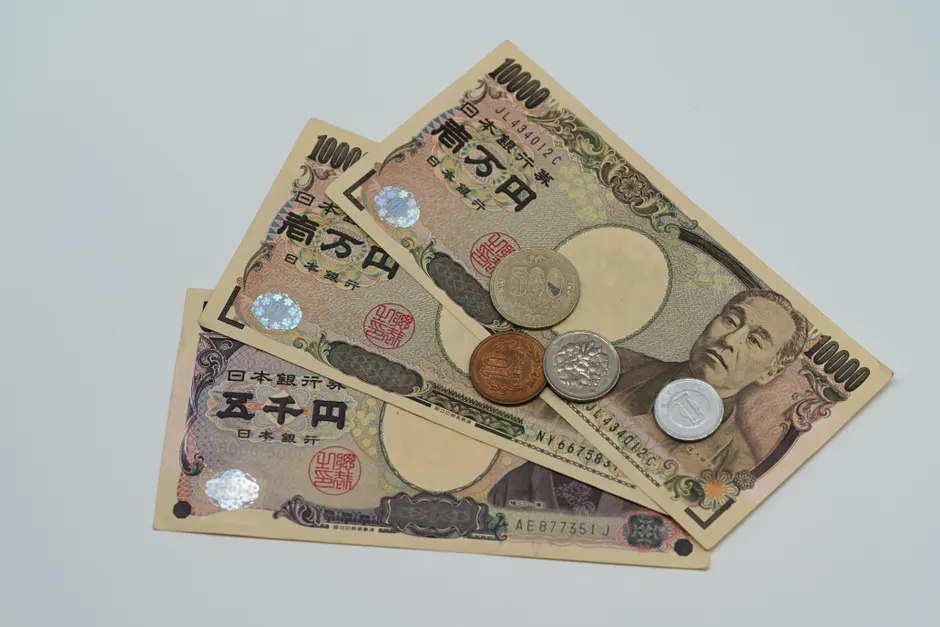
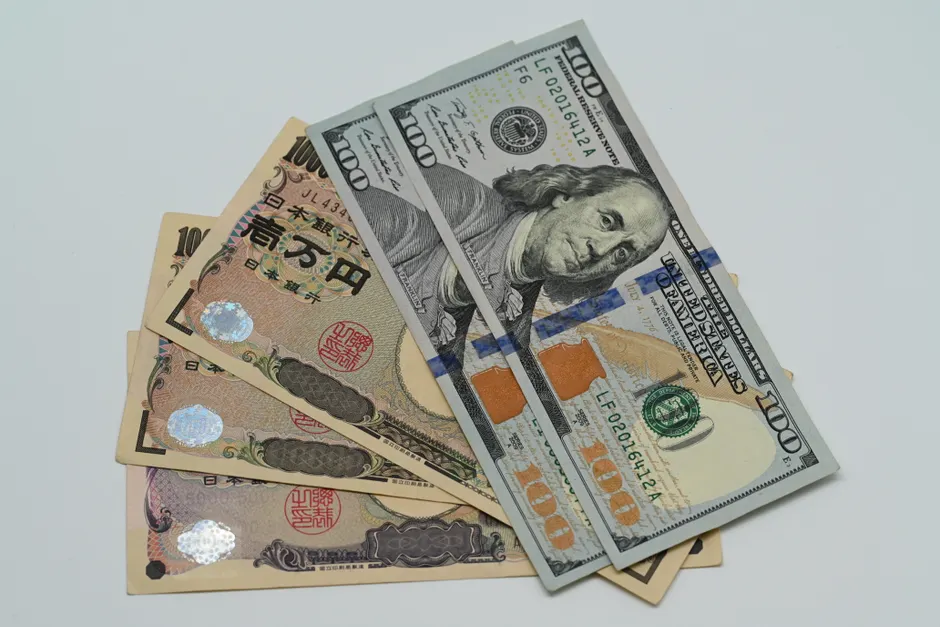
In early August 2026, the United States and Japan worked together to push up the value of the Japanese yen, a rare move that could change how currency markets behave CNBC. This came after Japan bought large amounts of yen on July 30, 2026, ahead of a Bank of Japan policy meeting, as reported by the Nikkei newspaper Reuters.
Here's the simple version: when a country's currency loses too much value, its government can step in and buy its own money to push the price back up. Think of it like a central bank buying up its own currency on the open market. What makes this unusual is that the U.S. joined in — Washington normally prefers to let the market decide currency prices on its own.
Tokyo has been unusually open about its plans. A former Bank of Japan official said in early August that Japan and the U.S. would "certainly" do it again if the yen starts dropping Reuters. That's a big deal. Central banks almost never confirm they've intervened, let alone promise to do it again. Telling traders upfront that coordinated action is a standing tool — not a one-time event — changes how they think about betting against the yen.
The timeline is not entirely clear, though. Reuters reported on August 4, 2026 that Bank of Japan data suggested Japan may not have intervened that Monday, even though the yen surged Reuters. So it's uncertain whether this was one coordinated event or a series of actions across several days, and whether some of the yen's strength came from private traders adjusting their positions rather than government buying.
The year 2026 has been rough for Japanese markets. On January 20, Japanese government bonds — essentially IOUs the government sells to investors — plunged in value. When bond prices fall, the interest rate those bonds pay (called the yield) goes up. That day, yields hit record highs, and Japanese stocks and the yen also fell after an announcement by the Prime Minister Reuters. The damage spread globally: the bond selloff pushed long-term U.S. Treasury yields to their biggest two-day rise since May 2025 Reuters. The dollar had already been weakening against the yen by late January, having slid sharply earlier that week AP News.
Japanese stocks have seesawed all year. The Nikkei 225, the main Japanese stock index, had extreme swings including a 12.4% drop followed by a near-11% bounce of more than 3,300 points, echoing the wild ride seen in August 2024 AP News. After a landslide U.S. election victory, the Nikkei rose 3.9% to a record on February 9, 2026 AP News. Prime Minister Sanae Takaichi was reappointed by parliament after her ruling Liberal party's landslide win, and the Nikkei rose 1% on that news AP News. As of August 13, the Nikkei 225 advanced 1.6% to 68,601.21 AP News.
A key question is whether turmoil in Japan spreads to U.S. markets. On June 25, 2026, it didn't: South Korea rose 5% and Japan 4.5%, while the Nasdaq fell just 0.5% and the Dow rose 0.1% Reuters. Whether that wall holds now is an open question.
The broader context is that the U.S. and Japan teaming up to move currency markets is not normal. Washington has usually been skeptical when Japan intervened on its own, preferring to let markets set prices. The shift to joint action means both governments now see a weak yen as a shared problem. That likely reflects trade politics and the danger that stress in Japan's bond market could spread to bond markets worldwide. The January episode showed that a selloff in Japanese bonds can push U.S. Treasury yields higher within 48 hours — so this isn't just a Japan story. It's a story about borrowing costs for everyone.
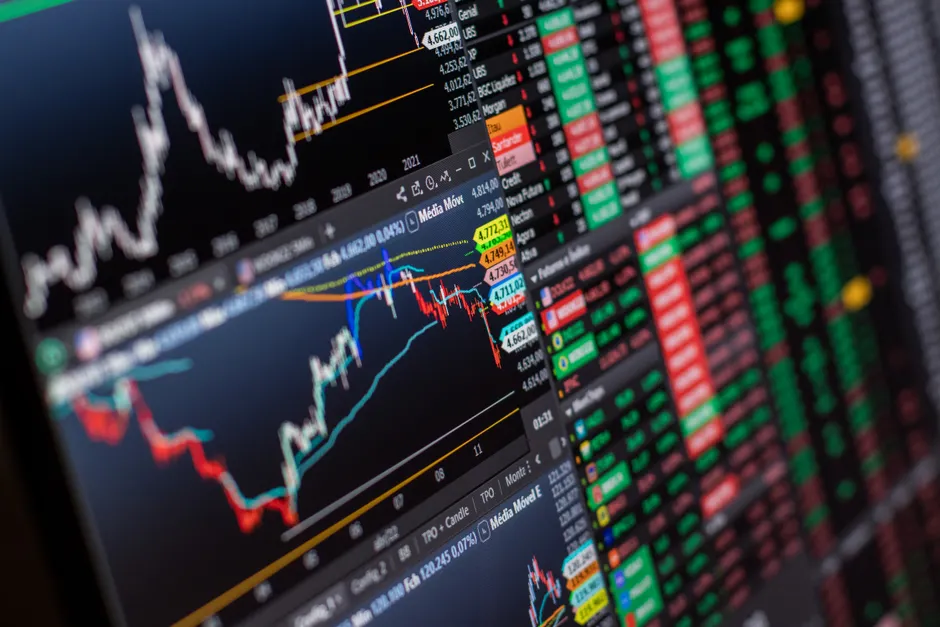
For traders, the big question is whether this joint action creates a reliable floor under the yen. The former official's use of the word "certainly" is strong language for someone who used to work at the central bank, and it puts traders on notice that renewed yen weakness will be met with coordinated force. Whether that threat holds depends on how far apart U.S. and Japanese interest rates get, and whether Japan can keep its own policies steady under the pressure that surfaced in January.