The U.S. and Japan Joined Forces to Lift the Yen. Here's What That Means.
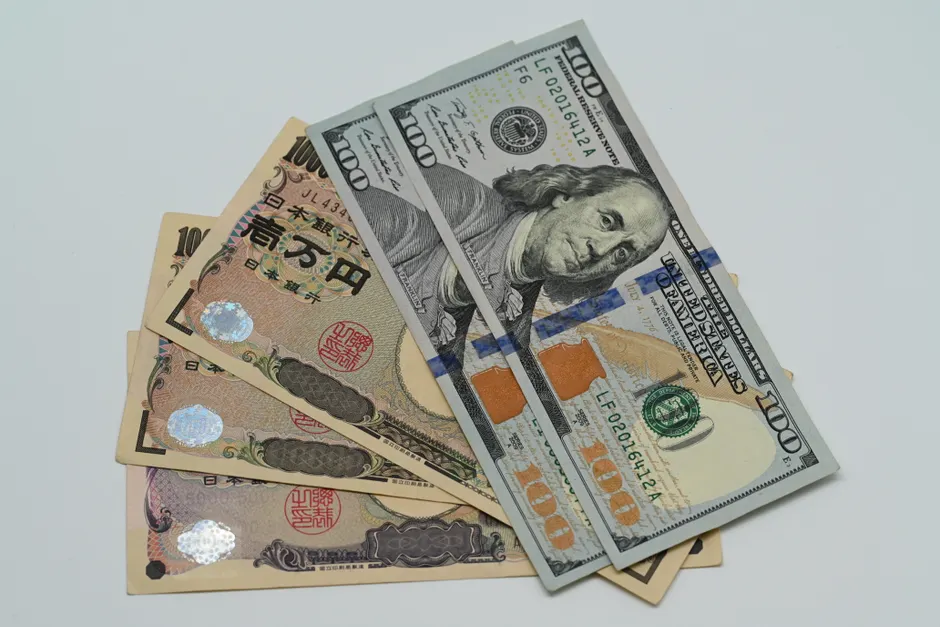
The United States and Japan worked together to push the Japanese yen higher after it had fallen to its lowest level against the dollar in 40 years. On Monday, August 3, 2026, the yen rose against both the dollar and the euro as markets waited to see if more action was coming (Reuters). Two Japanese government officials confirmed on August 2 that Tokyo and Washington would announce they had taken joint action in the currency market (Reuters).
Think of a currency's value like a seesaw. When the dollar goes up, the yen goes down. For months, the dollar had been pushing the yen lower. An intervention is when governments step in and buy their own currency to push the seesaw back the other way.
The yen's fall had been steep and long. The dollar hit a new 40-year high against the yen on July 22, 2026 (Reuters). By the week ending around July 30, the dollar had dropped as much as 3% to 158.34 yen after touching those highs (Reuters). The yen had also recorded its biggest weekly drop in over two months during the week around July 24, helped by a rise in oil prices (Reuters).
The U.S. Treasury told banks it might make trades to strengthen the yen, as investors guessed an international intervention was coming (WSJ). American involvement added weight to Japan's earlier solo efforts, which had set a floor at around 160 yen per dollar but failed to give the currency a lasting boost (WSJ). Sustaining the yen's gains is expected to be an uphill battle.
The overall mood in markets on August 3 was positive. Oil prices dropped and major stock indexes rose on signs that U.S.-Iran tensions were easing, while the yen strengthened after the intervention (Reuters.
Joint U.S.-Japan currency action is rare. The last time the two nations worked together this way, coordinated trading in New York sent the dollar plunging nearly seven yen in a single session (WSJ). That episode shows both the power of combined action and how hard it is to reverse a currency trend when the underlying cause is a big gap in interest rates between the two countries.
The broader context here is why the yen keeps falling in the first place. Japan's central bank keeps interest rates very low to support its economy, while U.S. interest rates are much higher. When rates are higher in one country, investors move their money there to earn more, which strengthens that country's currency and weakens the other. Japan had tried on its own to prop up the yen, setting a defense line near 160 yen per dollar, but it didn't hold. Adding the U.S. to the effort sends a political signal that Japan alone cannot. But the root cause of the yen's weakness has not changed. Investor doubt that a one-time intervention can fix this is well-grounded in history.
The big question for traders is whether this joint action is the start of a sustained campaign or a one-time event. The Treasury's preparations with banks suggest planning beyond a single move, but officials have not committed to an ongoing program. The yen's continued rise on August 3 suggests the market believes more intervention could follow, rather than dismissing the move.
What to watch going forward: how this interacts with Bank of Japan Governor Kazuo Ueda's signals about future interest-rate policy, any change in Treasury language about dollar strength, and whether other Asian currencies keep gains based on unconfirmed reports of broader coordinated action (WSJ). The yen's real test will come not from government intervention but from whether the economic fundamentals, especially U.S. inflation data and Bank of Japan policy signals, shift in a way that helps or hurts the intervention's effects.