America Helped Japan Save the Yen. Why That Could Affect Your Savings.

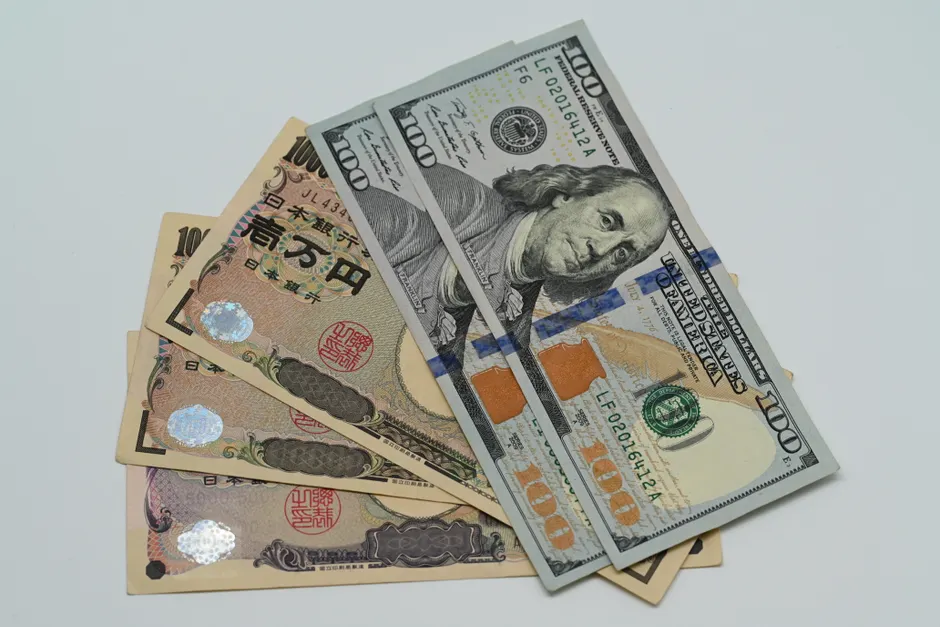
The United States helped Japan buy yen to boost its value in early August 2026 — the first time America joined such an effort in decades, according to CNBC reporting dated August 3, 2026. The yen had already gained about 3% against the dollar that month.
When a country buys its own currency to push the price up, it has to pay for that purchase. Japan holds a lot of its savings in U.S. government bonds — the IOUs the U.S. Treasury sells to investors. To support the yen, Japan may need to sell some of those bonds. That extra selling can push bond prices down, which pushes interest rates (also called yields) up. CNBC reported that this could raise U.S. Treasury yields while steadying Japanese bond markets. On August 4, 2026, Japanese bond yields edged higher alongside U.S. Treasurys, with the U.S. two-year yield ticking up to 4.179% from 4.162%.
Japanese bonds have been under pressure all year. The Bank of Japan raised its key interest rate to 0.75% from 0.5% on December 30, 2025, a 30-year high. The same day, the 10-year Japanese government bond yield rose to 2.075%. By January 2026, those 10-year yields jumped nearly 19 basis points (small units equal to one-hundredth of a percentage point) in just two days — the sharpest rise since 2022 — during a global bond selloff. Later that month, longer-term yields hit record highs as politicians across Japan promised tax cuts, raising fears about the country's finances.
The selloff worsened through the summer. On July 9, 2026, the 10-year Japanese bond yield rose to 2.900%, a 30-year high, driven by inflation and worries about government debt. The 20-year reached 3.890% and the 30-year hit 4.030%. By July 14, the 10-year was trading at 2.781%, more than 70 basis points higher than at the start of the year, after peaking at 2.901% the prior Thursday.
Shorter-term bonds moved differently. On June 9, 2026, before the Bank of Japan's meeting, the 2-year Japanese bond yield dipped to 1.41%, while the 5-year fell to 1.920%. The gap between short and long-term bonds reflects investors betting on two separate things: the central bank raising rates on one hand, and concerns about government debt on the other.
Japan's Ministry of Finance planned August 2026 bond sales along with a modest buy-back of about 250 billion yen. On July 23, 2026, the ministry announced the schedule for 2-year bonds to be issued in August and short-term Treasury Discount Bills auctioned on July 30. Four separate 5-year bond issues are planned for fiscal year 2026.
The broader context here is about who buys American debt. Japanese investors are the biggest foreign holders of U.S. government bonds. With Japanese 10-year bonds paying nearly 2.9% and 30-year bonds paying over 4%, Japanese institutions have less reason to look abroad for returns. A U.S. two-year bond pays about 4.179%, versus 1.41% on a Japanese two-year bond — a gap of roughly 277 basis points. But that gap shrinks once you account for the cost of converting yen to dollars and back. Whether Japanese buyers keep purchasing U.S. bonds, slow down, or sell will depend on how the yen intervention plays out, how much debt Japan issues, and where the Bank of Japan takes interest rates.
None of this points in a single direction. What is known: the U.S. joined the intervention, Japanese bond yields are at multi-decade highs, and August's bond calendar proceeds with modest buy-backs. What investors have already priced in versus what they merely fear is the difference to watch going forward.