A Huge Earthquake Hit Colombia — Here's What's Happening
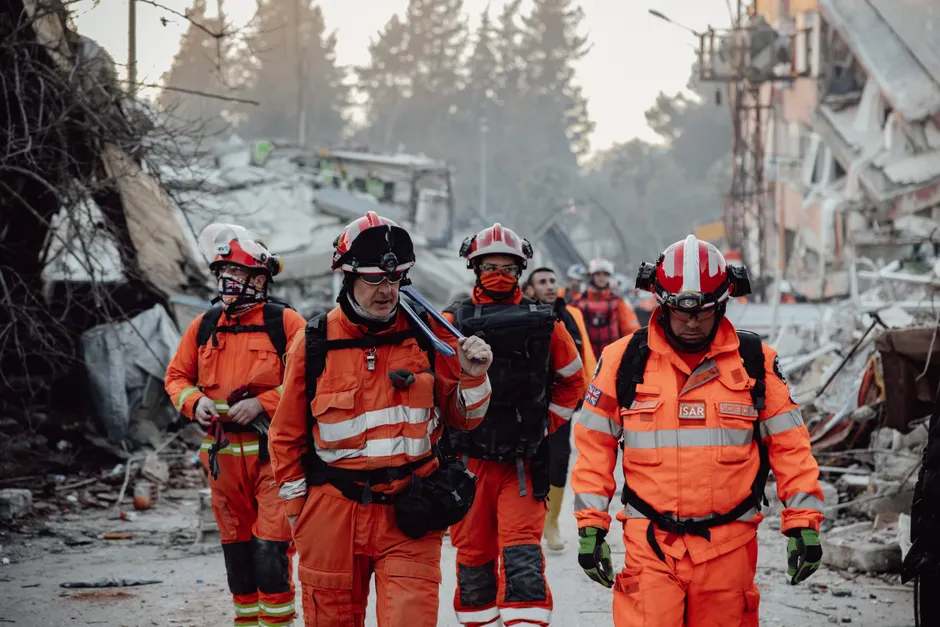
A powerful earthquake shook the department of Chocó in western Colombia on August 10, 2026. By the next morning, at least 254 people had died. The Colombian government declared a national emergency, and rescue teams from other countries — including a Mexican volunteer group called Topos Azteca — arrived to help search for survivors. Reuters
The number of deaths rose very quickly. It started at 20 on August 10, jumped to 132 the same day, and reached at least 254 by the morning of August 11, according to Reuters. The report said the number would likely keep climbing as rescue teams reached collapsed buildings in harder-to-reach areas. Colombia's government declared an emergency shortly after the quake, as reported by Al Jazeera. Reuters, Al Jazeera
The national disaster-response operation was announced on August 10 by Colombia's national disaster agency, called UNGRD. President Abelardo de la Espriella is leading the response. The earthquake's center was in Chocó, one of Colombia's most earthquake-prone and least-developed regions. The Inter-American Development Bank has warned for years that Chocó's hospitals and roads are too fragile to handle a major earthquake. UNGRD
Topos Azteca is a group of Mexican volunteers who specialize in rescuing people from collapsed buildings. They arrived in the city of Cali, Colombia to join the rescue effort. The team's leader was in Cali coordinating with Colombian officials, according to N+ Media's August 12 report. A team member told N+ that "hay todas las posibilidades" — meaning there is every chance — of finding survivors. This reflects a key rule in earthquake rescue: the first 72 hours after a quake are the most important for finding people alive. N+ Media, Canal Trece
The Topos Azteca team was already in Colombia on August 10, according to N+ Media, which means they mobilized within hours of the quake. Cali is about 300 kilometers south of the earthquake's center and serves as a base for rescue teams heading west into Chocó, where damaged roads make it hard to get through.
The broader context here helps explain why this rescue is so difficult. Chocó is one of the most isolated parts of Colombia. It has very few paved roads, and people live spread out along the Pacific coast. A major earthquake in a place like this creates problems that cities don't face: rescue teams take longer to arrive, phone service often fails so teams have to rely on satellite communication, and there are fewer hospitals to treat the injured. The rapid rise in the death toll from 20 to 254 in about 24 hours reflects these challenges as much as the strength of the quake itself.
There is also a political side to Topos Azteca's presence. The group is made up of civilian volunteers, but their deployment acts as a form of Mexican soft power — meaning a country builds goodwill through humanitarian help rather than through military or economic pressure. Their quick arrival in Colombia shows that the two countries have cooperation channels that work faster than formal government-to-government disaster agreements, which usually take longer to activate. For President de la Espriella, having international rescue teams show up within 48 hours also sends a message to Colombians that the government can bring in outside help even when its own systems are overwhelmed.
The UNGRD framed the response as a coordinated national operation under presidential authority. That means the president is ultimately in charge of emergency decisions, which is consistent with Colombia's disaster-management law. UNGRD
What happens next depends on two things: whether rescue teams can reach Chocó's remote areas before the 72-hour survival window closes, and whether the death toll keeps rising or starts to level off. Reuters reported that the toll was expected to rise, which is typical for earthquakes in hard-to-reach terrain where initial counts miss people in collapsed buildings that rescue teams haven't reached yet. International teams like Topos Azteca may help extend the search beyond what Colombia could do on its own, though no confirmed information about other international deployments is available yet. Reuters


