The Dollar Has Weakened Two Days Running. Here's What That Means for You.

The U.S. dollar fell in value for the second day in a row on June 16, 2026, declining 0.08% to a level measured at 96.15 on the WSJ Dollar Index. This index tracks how the dollar performs against 16 other major currencies around the world. According to The Wall Street Journal, this two-day drop is the biggest one we've seen since June 12.
To put this in perspective: the dollar remains well above the low point it hit after the pandemic. At 96.15, it's sitting about nine points below its peak of 105.14, which came in September 2022 when the Federal Reserve was raising interest rates aggressively and emerging markets were under stress.
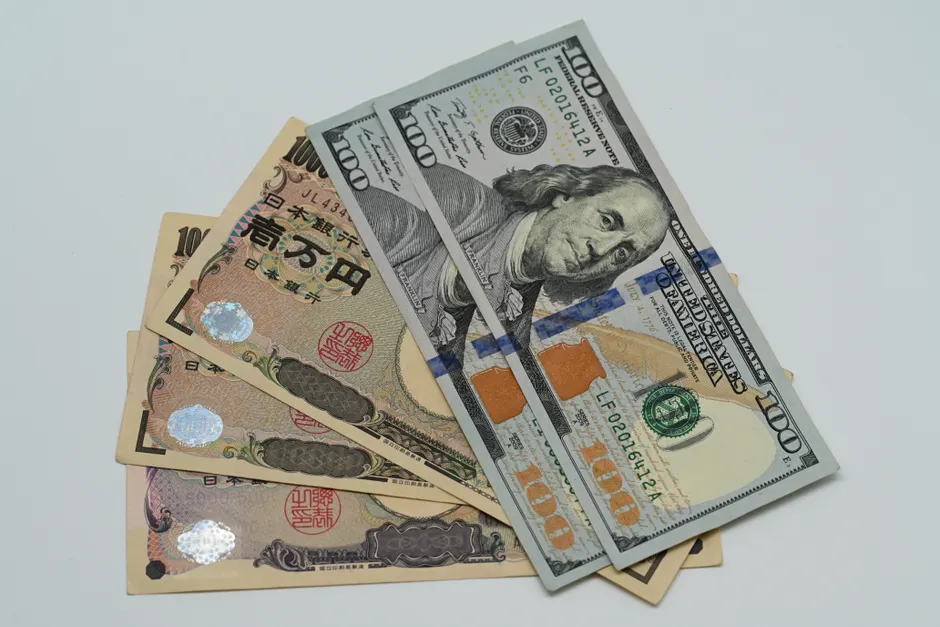
Against the Japanese yen specifically, the dollar actually ticked up 0.2% to 159.21 — a move that works against the broader pattern. The yen is sensitive to signals from Japan's central bank, the Bank of Japan. Earlier this year, when the Bank of Japan shifted its tone in one direction, the dollar weakened 1.66% against the yen in a single trading session. The Bank of Japan's messaging matters because it influences how attractive each currency is to traders and investors.
The bigger picture in mid-June has been a gradual weakening of the dollar. The index had already hit its lowest point since June 4 by June 12, meaning this two-day decline simply continued a trend that had been building over the previous week. This kind of slow, steady drift — rather than a sudden crash — usually reflects traders taking profits on their positions and adjusting their bets, not a major economic or policy shift that would cause them to rethink everything.
Earlier in 2026, in April, the dollar fell for eight trading days straight, when investors were pricing in the possibility of a peace deal with Iran and revising their expectations for interest rates. The current two-day weakness is much milder by comparison, and it sits within a market still absorbing the aftereffects of that April decline and the bounce that followed.
For money managers who trade currencies across borders, the 159 level on the dollar-yen pair is worth attention. It still offers favorable returns for investors holding dollars — what's called a "carry advantage" — but Japan's central bank has shown it can move this trade faster than standard financial models expect. The range of 155 to 159 that has held through 2025 and into 2026 isn't a natural resting point. It's a stretched one, held up mainly by the fact that U.S. interest rates are higher than Japanese rates, not because the currencies are at their "true" values relative to each other.
For the dollar index itself, 96.15 isn't alarming from a technical standpoint. There's still a substantial gap between where it is now and where it peaked in 2022, so there's room to move downward before anyone needs to talk about a permanent structural decline in the dollar's global role. What matters right now is that this two-day drop has trimmed the dollar's cushion above the June 4 level that traders have been using as a near-term floor. With currency moves across Asia still uneven, the next move depends largely on what the Federal Reserve says next and any further communication from Japan's central bank. Neither is expected to produce major news on June 17, which means the dollar will probably stay in a holding pattern unless something unexpected happens.