NASA's Plan to Save a Space Telescope Has Failed — Here's What Happened
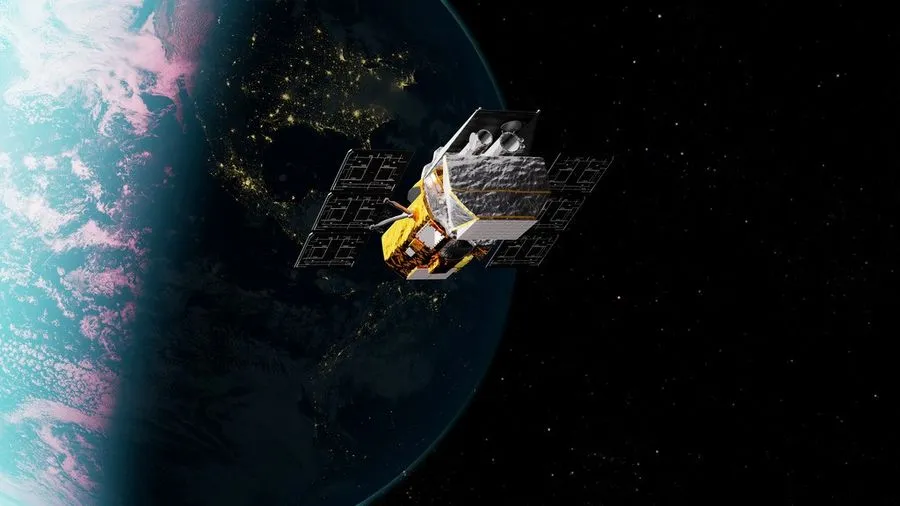
NASA and a company called Katalyst Space have given up on a plan to rescue an aging space telescope called Swift. The telescope is slowly falling toward Earth, and the two organizations had hoped to use a newly launched spacecraft named Link to push it back up to a safer orbit. A technical problem with Link's steering system made that impossible.
NASA Administrator Jared Isaacman said in a mission update: "This is not the outcome we were working toward, but it does not change why this mission was worth attempting." NASA astrophysics director Shawn Domagal-Goldman called the effort "high-risk, high-reward" and said the lessons learned would be valuable either way (The Verge).
The telescope, formally called the Neil Gehrels Swift Observatory, was launched in 2004 to study gamma-ray bursts — sudden, powerful flashes of energy from deep space. Recently, increased solar activity has heated and expanded Earth's upper atmosphere, creating drag that has pushed Swift into a lower orbit. Without help, NASA expects Swift to fall back into the atmosphere and burn up later this year (The Verge).
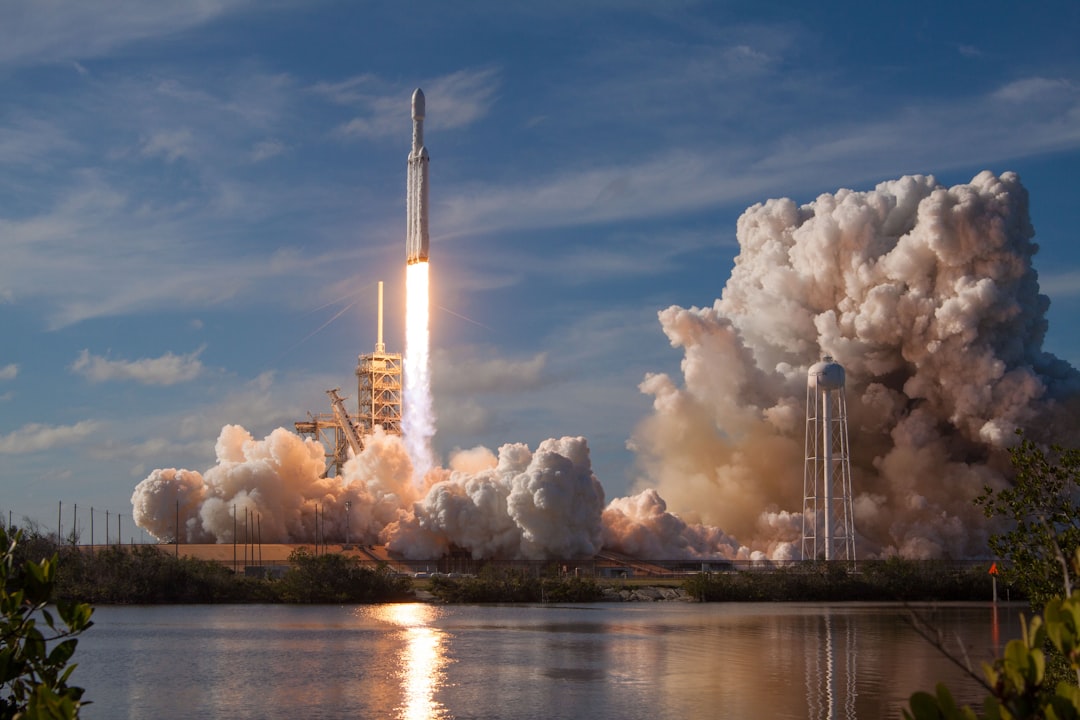
NASA paid Katalyst $30 million last September to boost Swift back up. The company launched the Link spacecraft on July 3rd. Within weeks, the team was already dealing with communications and steering problems. An update on July 15th said things were improving (NASA Swift Blog). But by late July, Link's steering problems had gotten worse. The spacecraft started spinning and could only operate intermittently (NASA Swift Blog).
Think of a spacecraft's attitude control system as its sense of balance — it keeps the vehicle pointing the right direction. When that system fails, the spacecraft can start spinning, which makes it impossible to carry out precise maneuvers like approaching another satellite.
Katalyst sent a software update to Link with new steering instructions designed to keep the spacecraft stable using its remaining hardware. By August 6th, the team had reduced the spin (NASA Swift Blog). But the fix was not enough for the kind of steady control needed to capture and boost another spacecraft, so NASA and Katalyst changed the mission plan.
Under the new plan, Link will still fly close to Swift and gather information about how spacecraft behave near each other in orbit. It will not try to physically grab Swift or push it to a higher orbit. That information could help with future space missions.
The bigger picture is that this mission was meant to test whether a private company could extend the life of an old scientific satellite for far less money than building a replacement. The $30 million price tag was small by space standards, and Swift was a well-known satellite already in orbit. If the rescue had worked, it would have been proof that commercial satellite servicing is viable. Instead, the industry got a partial result: a spacecraft that made it to orbit and recovered from some problems, but could not finish the job.
The timeline was also very tight. From the contract award in September to the launch on July 3rd was only about ten months. Swift's orbit was already dropping, so the mission was racing against a shrinking window. Even if Link had worked perfectly from day one, there was very little time between the launch and Swift's expected fall into the atmosphere later this year. That kind of time pressure will be a built-in challenge for any future rescue missions targeting aging satellites.
If Swift is lost, it would end 22 years of gamma-ray burst monitoring. Swift has been one of NASA's most productive telescopes for studying sudden cosmic events, and its data has been used in thousands of scientific papers. NASA has not announced a replacement with the same capabilities.
For the commercial space industry, the results are mixed but still useful. Link's software fix showed that engineers can troubleshoot a spinning spacecraft from the ground while under time pressure. The data Link will now collect from flying near Swift adds to what we know about how spacecraft behave up close in orbit. Neither outcome is what NASA or Katalyst wanted, but both have real value for an industry that is still learning how to do this kind of work.